Is the British Shorthair Cat a Good Fit for Indian Homes? Full Guide to Price, Care & Buying Tips
Thinking about bringing a British Shorthair home? This chubby-cheeked, teddy-bear-looking cat is one of the calmest breeds you can own but before you buy one in India, here's everything worth knowing about where it comes from, what it actually costs, and how to keep it healthy and happy.
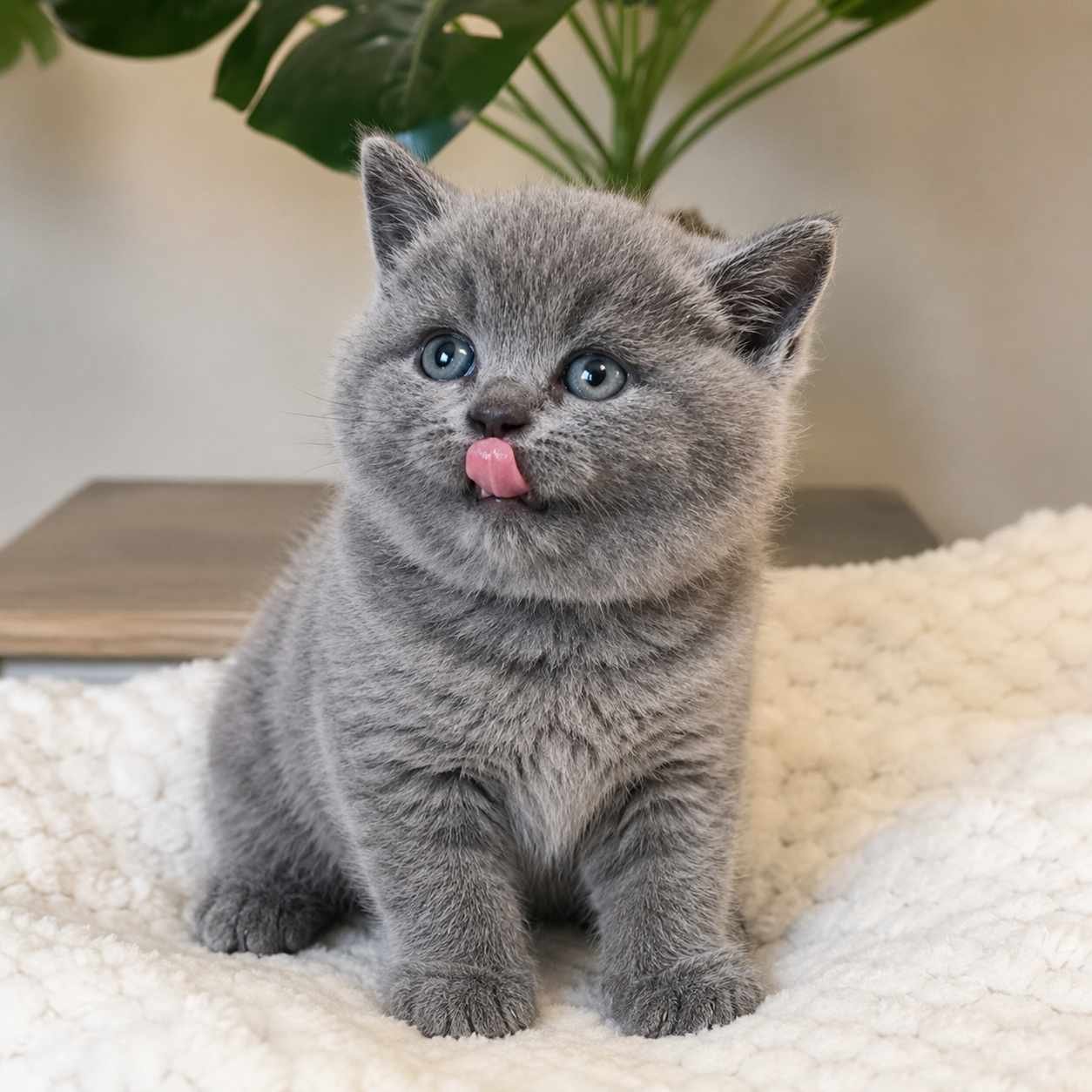
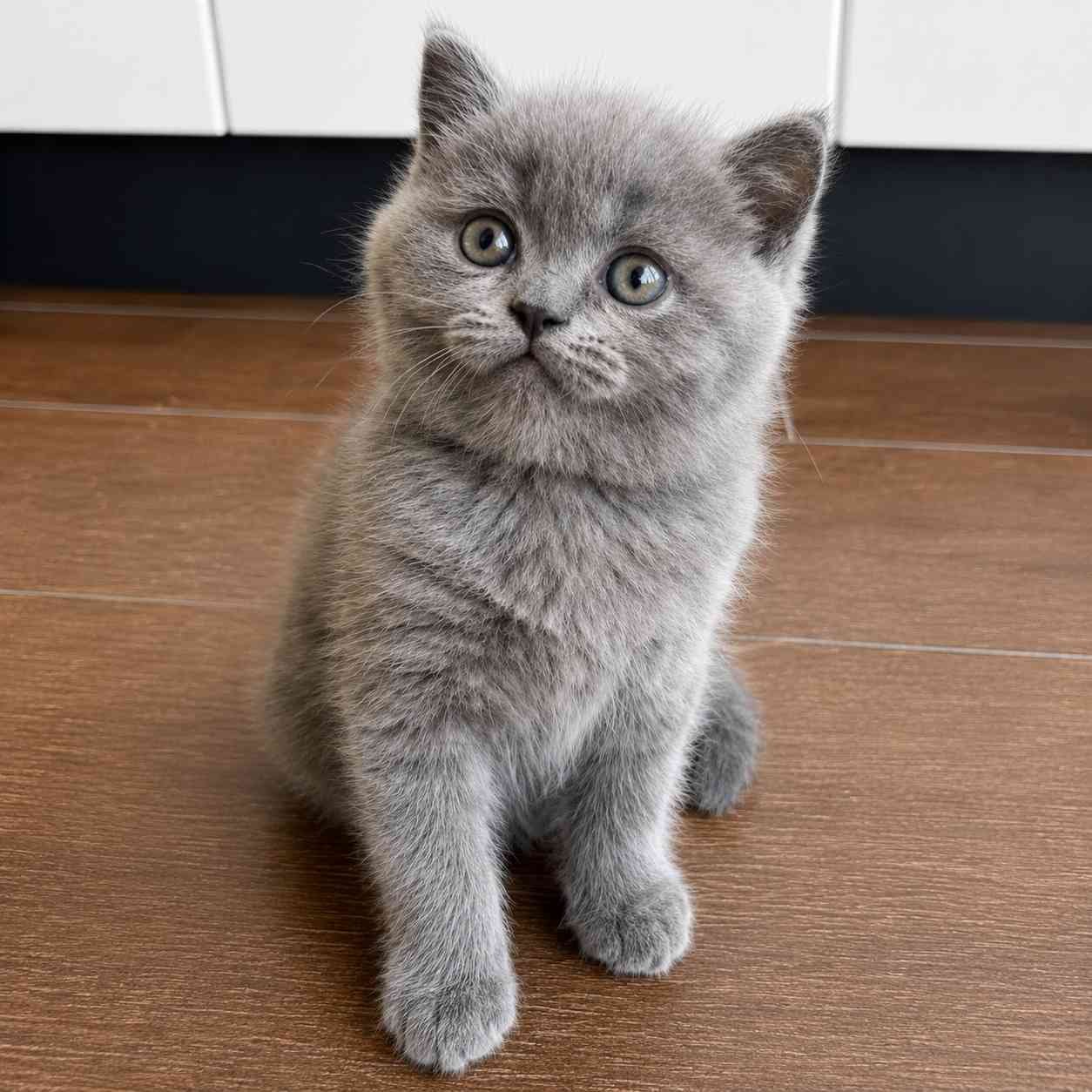
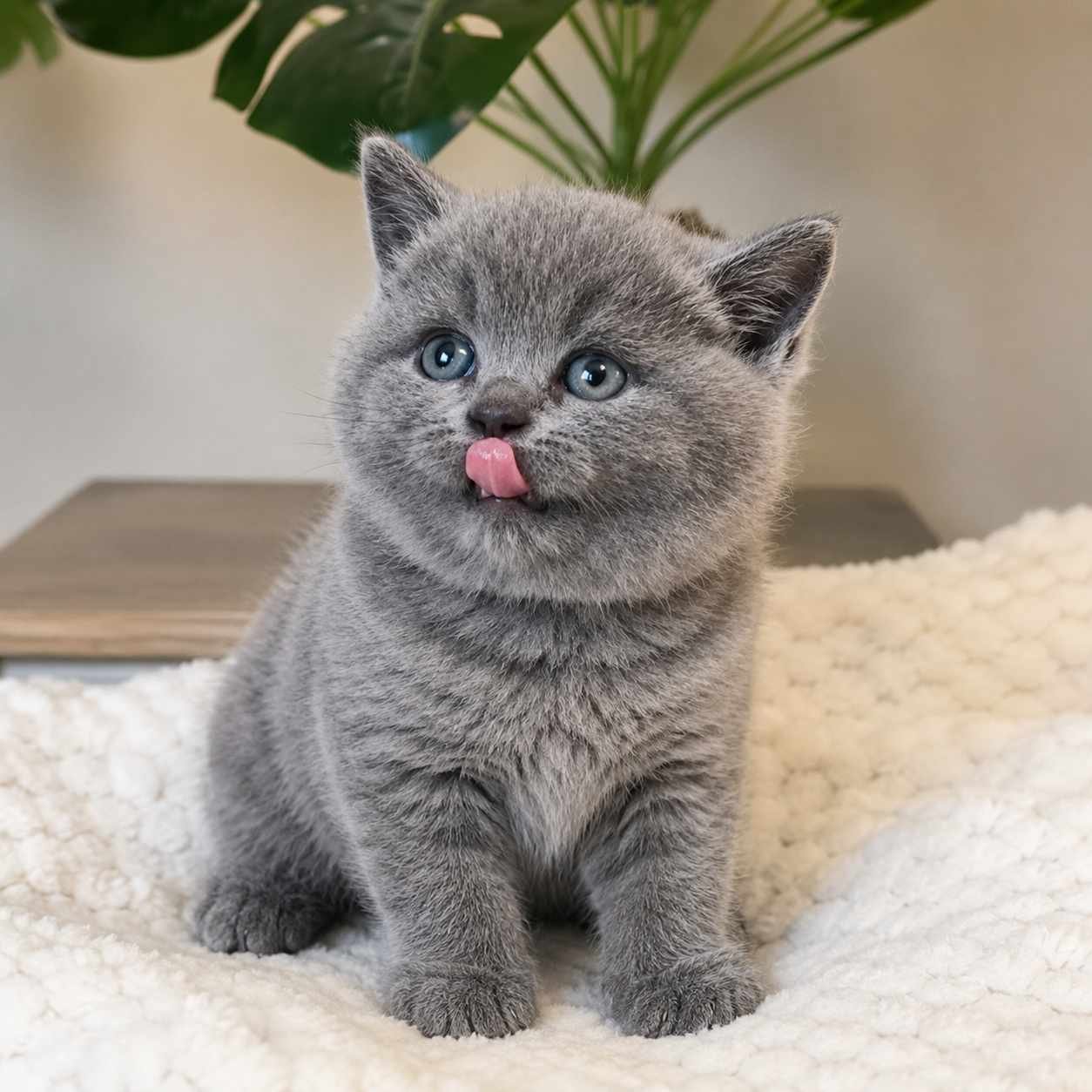
British Shorthair Cat Gallery
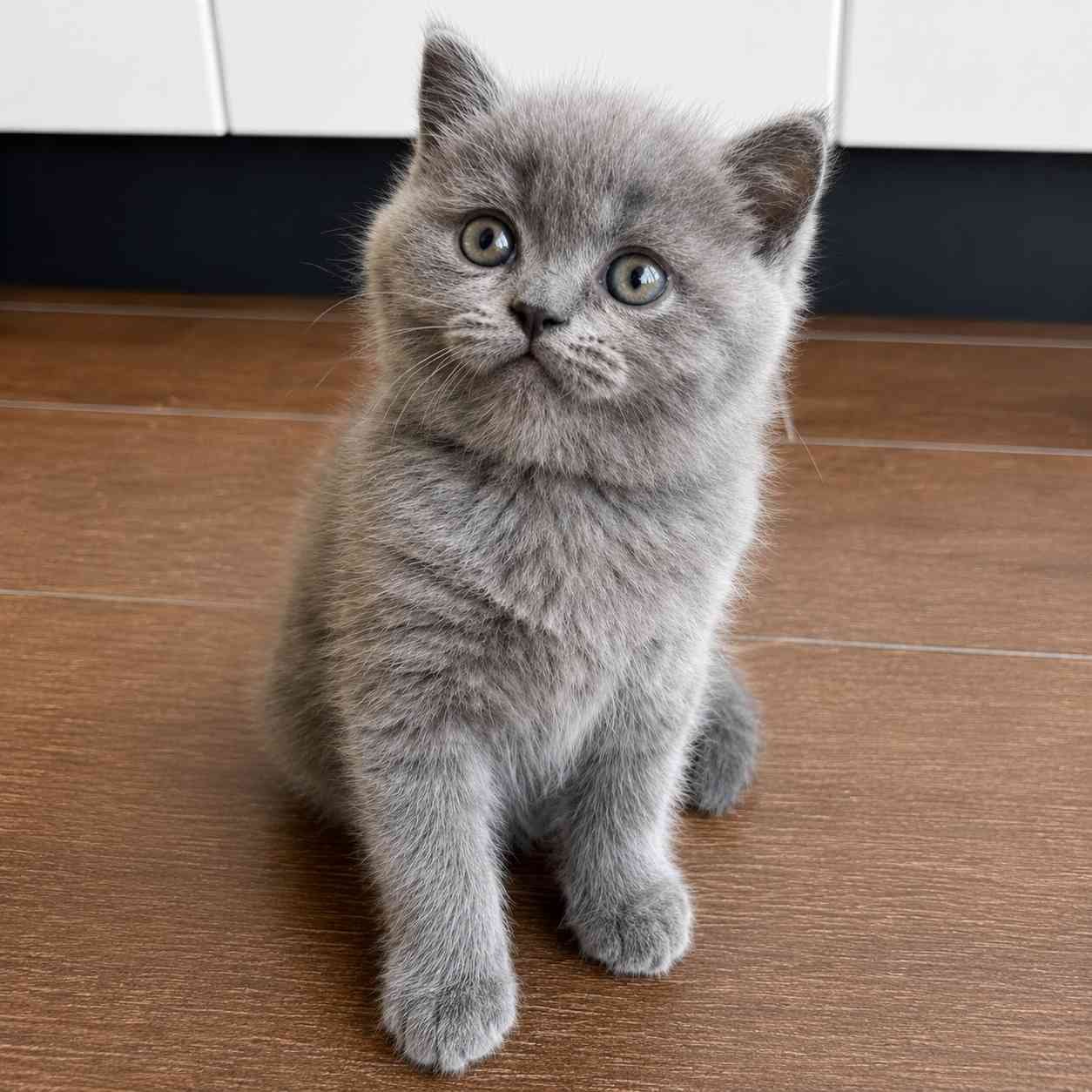
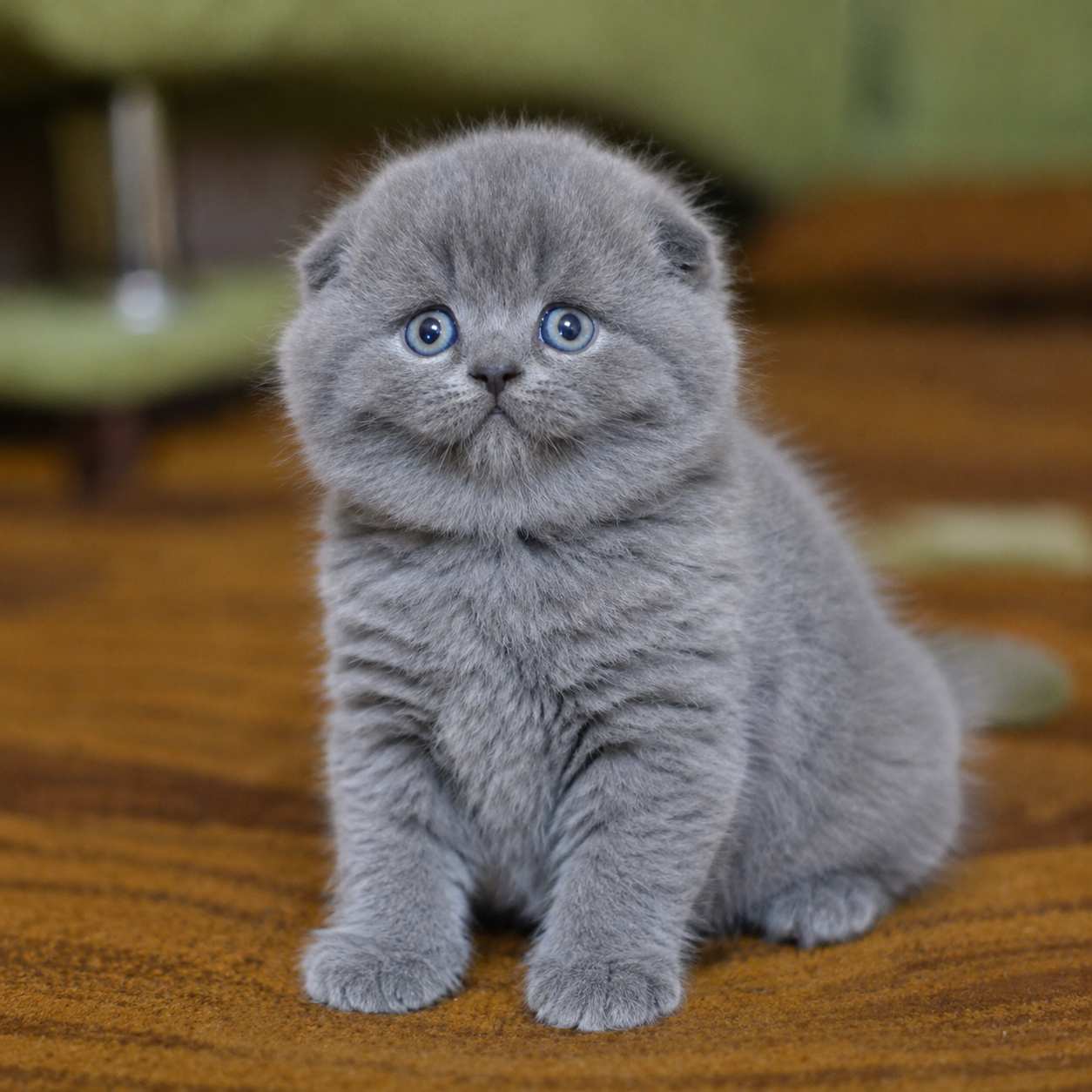
British Shorthair cats come in a range of colours and coat shades, from classic British Blue to cream and mixed tones. Here are some of the common types you'll find.
Introduction to the British Shorthair Cat
The British Shorthair is easy to spot the moment you see one: a round, chubby face, big copper or gold eyes, and a stocky, muscular body covered in a short, dense coat that feels almost like plush velvet. It's one of Britain's oldest native breeds, and unlike a lot of "designer" cats you see today, this one developed naturally over centuries rather than being created through recent selective breeding.
In India, this breed has quietly become a favourite among people who want a cat that's affectionate but not needy. It doesn't demand constant attention, doesn't meow the house down, and is perfectly happy watching the world go by from a windowsill. That laid-back nature is exactly why it works so well in Indian flats and gated communities, where owners are often out at work for long stretches during the day.
Other Names You Might Come Across
The British Shorthair isn't always called by its full name. Older British breeders and cat fanciers used to refer to it simply as the British Blue, mainly because the blue-grey coat colour was the original and most common variation of the breed. You'll still hear "British Blue" used today, even for cats that come in completely different colours like cream, black, or tabby. It's also sometimes grouped loosely under the term English Shorthair in older writing, and thanks to its round face and calm nature, people often nickname it the "teddy bear cat" — a name that has nothing to do with official breed standards but describes it perfectly.
Why This Breed Stands Out
What makes the British Shorthair different from most other popular breeds is how little maintenance its personality demands, even though its coat needs some upkeep. It's not a lap cat that clings to you all day, but it isn't distant either — it prefers being in the same room as you, following you around quietly rather than sitting on you. This "present but independent" nature is something a lot of first-time Indian pet owners specifically look for, especially those who work full-time and can't offer constant interaction.
What You'll Find in This Guide
Below, we've covered everything a buyer in India actually needs to know: where this breed originally comes from, realistic price ranges you'll find across Indian cities, common health concerns tied to its body type, how much grooming it truly needs, and the red flags to watch for when picking a kitten from a breeder. This is meant to be a one-stop read, whether you're just researching the breed or ready to bring one home.
Origin & History of the British Shorthair Cat
Global Origin
Unlike most pedigree breeds that were deliberately created, the British Shorthair's story starts almost by accident. Historians widely believe domestic cats first reached Britain with the Romans nearly 2,000 years ago, brought along to control rodents on ships and in grain stores. Over centuries, these working cats adapted to the British climate, developing the dense, weatherproof coat and sturdy, rounded body that still define the breed today.
The breed only became "official" much later, thanks to a British artist and cat fancier named Harrison Weir. In 1871, Weir organised what's considered the world's first proper cat show at the Crystal Palace in London, and he specifically chose to include native British cats, the same working cats seen on farms and streets, alongside more exotic imported breeds. That show is often credited as the starting point for the British Shorthair as a recognised, standardised breed rather than just an unremarkable household cat.
The breed nearly disappeared during and after the two World Wars, when food shortages made it difficult for breeders in Britain to keep large cat populations going. To rebuild numbers, breeders crossed surviving British Shorthairs with Persians and other breeds, which is actually why some British Shorthairs today carry slightly longer fur or softer facial features than the original working cats did. By the 1950s, dedicated breeders had restored the classic look, and the breed was formally stabilised again.
British Shorthair Cat in India When Did It Arrive?
The British Shorthair arrived in India much later than breeds like the Persian, mainly because it wasn't as widely known or imported by early Indian breeders. It started gaining real traction only as India's pedigree pet market matured and buyers began actively looking beyond the handful of breeds that had dominated the market for decades.
- Initially, British Shorthairs entered India in very small numbers, mostly through a few dedicated breeders in metro cities who imported bloodlines directly from the UK and Europe.
- As Indian pet owners became more exposed to international cat breeds through social media and online communities, demand for the British Shorthair's round face and plush coat grew rapidly across Delhi NCR, Mumbai, Bangalore, Hyderabad, and Pune.
- In the last few years, it has moved from being a rare, expensive import to a breed that's genuinely achievable for Indian pet owners, though it's still priced higher than more common breeds due to limited local breeding lines.
At Royal Kitten, we work only with home breeders who maintain proper, health-tested British Shorthair bloodlines rather than mass-breeding setups, since this breed is particularly prone to weight-related and heart issues if bred carelessly. The Royal Kitten team has been guiding new owners through healthy, ethical pet adoptions since 2005, and that same standard applies to every British Shorthair kitten we help place.
What Does a British Shorthair Cat Look Like?
Round face, chunky cheeks, and a coat that feels more like a plush toy than fur — the British Shorthair has a look that's instantly recognisable. Here's a full breakdown of its body type, coat colours, size, eye shades, and how its appearance actually changes as it grows up.
Appearance & Body Structure
British Shorthairs have what breeders call a "cobby" build, broad-chested, compact, and solidly muscular, sitting on short, thick-boned legs that make the whole cat feel heavier than it looks when you pick it up. The head is round and full-cheeked, especially in adult males, the neck is short, and the tail is thick with a rounded tip rather than tapering to a point. Nothing about this breed looks delicate; it's built like a small, furry brick, and that's exactly the standard breeders aim for.
Coat Types & Colours
The coat is short, but don't let that fool you, it's extremely dense, with a crisp, "crackling" texture that stands slightly away from the body rather than lying flat like most short-haired breeds. This is what gives the British Shorthair its plush, teddy-bear feel. The breed is recognised in an unusually wide colour range, here's the full spread:
The British Blue remains the most iconic and widely recognised colour, so much so that many people still assume "British Blue" and "British Shorthair" are the same thing, even though it's just one colour variant among dozens.
Size & Weight
Eye Colour
Eye colour usually follows coat colour fairly closely in this breed, copper and gold tend to pair with darker solid coats, while blue-eyed and odd-eyed variations show up almost exclusively in white British Shorthairs.
How a British Shorthair's Coat Changes as It Grows
A British Shorthair kitten doesn't look like a mini version of the adult cat, it goes through a fairly noticeable transformation. The soft baby fluff, lighter colouring, and slim frame you see at 8 weeks look almost nothing like the dense-coated, broad-cheeked adult that shows up a few years later. This is something new owners in India are often surprised by, especially if they're expecting the kitten to stay looking exactly the way it did at pickup.
Newborn to 4 Weeks
Thin, soft fuzz coat. True adult colour and pattern aren't fully visible yet.
2 to 6 Months
Coat starts thickening slightly. Colour deepens, especially in blue and lilac kittens.
6 to 12 Months
Body starts filling out. Coat texture becomes noticeably denser and crisper.
1 to 3 Years
Cheeks broaden, especially in males. Full adult coat density is reached.
3 to 5 Years
Complete physical maturity. Maximum jowl, body mass, and coat plushness.
What Is a British Shorthair's Personality Really Like?
If you've ever met a British Shorthair, you'll know the word people reach for most often is "unbothered." This breed carries itself with a quiet, almost dignified calm that doesn't rattle easily, loud guests, sudden noises, a chaotic household, none of it seems to throw a British Shorthair off its stride. It's this steady, easy-going nature that's made the breed such a hit with Indian pet parents who want a cat that fits into a busy home without adding to the chaos.
Independent, But Never Distant
One thing that surprises a lot of new owners is how little a British Shorthair actually asks for. It's not a breed that follows you from room to room demanding attention, and it's usually not a lap cat in the traditional sense either. Instead, it prefers being nearby, curled up on the same sofa, sitting on the floor a few feet away, content just sharing your space. This makes it a genuinely good match for people with long work hours, since the cat isn't going to sulk or act out from being left alone for a stretch of the day.
How They Behave Around Children
British Shorthairs are widely considered one of the more kid-friendly breeds, largely because of their patience and thick body build. They tolerate a bit of clumsy handling better than more delicate breeds, and they rarely scratch or bite out of fear the way more nervous cats might. Even so, it's worth teaching children to handle any cat gently and let it approach on its own terms, this builds trust faster and avoids the cat associating kids with rough play.
Getting Along With Other Pets
This breed tends to be easy-going with other animals too. A British Shorthair introduced properly to another cat, or even a calm dog, usually settles into a peaceful coexistence rather than constant territorial tension. They're not the type to instigate conflict, if anything, they'd rather walk away from a confrontation than engage in one. Slow, supervised introductions over the first couple of weeks generally lead to a smooth, low-drama adjustment period.
Why It's a Popular First-Cat Choice
For someone getting their first cat, the British Shorthair removes a lot of the guesswork. It doesn't need hours of interactive play, elaborate cat trees, or constant mental stimulation to stay content, a few short play sessions a day are usually enough. What it does need is portion-controlled feeding and some encouragement to stay active, since this breed's calm nature combined with its naturally sturdy frame means it can slide into being overweight faster than more energetic breeds if meals aren't watched.
The Quiet Voice Owners Don't Expect
Something not everyone knows before bringing one home: British Shorthairs are famously quiet cats. They rarely meow for attention the way some vocal breeds do, and when they do make a sound, it's usually a soft, brief chirp rather than an insistent yowl. For apartment living in Indian cities, where noise can be a genuine concern with neighbours, this trait alone makes the breed a practical, low-friction choice.
Signs of a Well-Adjusted British Shorthair
A properly socialised British Shorthair, handled gently as a kitten and raised in a stable home, tends to be predictable in the best way: relaxed around new people, comfortable being picked up, and affectionate without being needy. If a British Shorthair seems unusually skittish, hides for long stretches, or reacts defensively to normal handling, it's more likely a result of poor early socialisation than the breed's natural temperament, definitely something to ask a breeder about before choosing a kitten.
What Health Problems Are Common in British Shorthair Cats?
British Shorthairs are a sturdy, generally robust breed compared to many pedigree cats, but their thick-set build and genetics come with a specific set of health risks worth knowing before you buy. Here's what actually shows up in this breed, plus a general vaccination timeline to plan around.
Health Issues to Watch For
Hypertrophic Cardiomyopathy (HCM)
This is the most significant health concern in the breed, a heart condition where the walls of the heart thicken over time and reduce its efficiency. It's genetic and can go unnoticed without regular screening, which is why reputable breeders test their breeding cats before pairing them.
Obesity & Weight Gain
Given their naturally low activity levels and dense, heavy-boned frame, British Shorthairs put on weight easily if meals aren't measured. Extra weight adds strain on joints and the heart, so portion control matters more here than in more active breeds.
Pyruvate Kinase (PK) Deficiency
A less commonly known but genetically relevant condition in this breed, PK deficiency affects red blood cell survival and can lead to anaemia over time. Responsible breeders test for this gene to avoid passing it on to kittens.
Polycystic Kidney Disease (PKD)
PKD can occasionally appear in British Shorthair lines, particularly where earlier crossbreeding with Persians happened generations back. Cysts form gradually in the kidneys, so periodic screening as the cat ages is a sensible precaution.
Gingivitis & Periodontal Disease
This breed can be somewhat prone to gum inflammation as it ages. Regular dental checks and, where needed, professional cleaning help prevent it from progressing into more serious oral health issues.
Heat Sensitivity
The dense double coat that keeps this breed comfortable in cooler climates works against it in Indian summers. Owners need to keep an eye out for signs of overheating and ensure access to cool, shaded, well-ventilated areas.
General Vaccination Guide
Vaccination schedules can shift slightly kitten to kitten, but most vets in India work along a similar core timeline. Treat this as a general planning reference rather than a fixed schedule.
Routine Vet Care
Beyond the standard vaccination schedule, British Shorthairs benefit from a yearly cardiac screening once they're past kitten stage, given how common HCM is in the breed. Keeping an eye on weight during every vet visit also matters more here than in leaner, more active breeds, since gradual weight gain is easy to miss day to day but adds up to real health risk over a couple of years.
How Do You Take Care of a British Shorthair Cat?
Compared to long-haired breeds, a British Shorthair is genuinely low-maintenance on the grooming front, its short coat doesn't mat or tangle the way a Persian's does. But its dense double coat, weight-prone build, and low activity levels mean care still needs to be deliberate in a few specific areas. Here's what that actually looks like day to day.
Coat Care
The British Shorthair's coat is short, but it's also extremely dense, almost double the thickness of a typical shorthair breed, which means it sheds more than people expect. Brushing two to three times a week with a rubber curry brush or grooming glove is usually enough to manage loose fur and keep shedding off your furniture under control. During seasonal coat changes, usually spring and autumn, shedding increases noticeably, and brushing every day for a couple of weeks helps speed through it.
Bathing
This breed rarely needs bathing, its coat is naturally water-resistant and self-cleaning, so once every couple of months, or only when visibly dirty, is usually enough. Over-bathing can actually strip the coat's natural oils and dull its plush texture, so there's no need to follow the same frequent bathing routine long-haired breeds require.
Ear & Nail Care
Check ears weekly for wax buildup or odour, and clean gently with a vet-approved solution if needed. Nail trims every two to three weeks keep claws manageable, especially since this breed's love of scratching posts means nails can get sharp fast if left unchecked.
Diet & Nutrition
- Kitten stage (0–12 months): High-protein, kitten-formulated food, split into 3–4 small meals through the day.
- Adult (1+ years): Measured portions of quality adult cat food, twice daily. This is the one area owners can't afford to be casual about, this breed gains weight faster than most given its low activity and heavy bone structure.
- Weight-control food: Worth introducing once the cat crosses 1.5 to 2 years old, particularly for indoor cats that don't get much daily movement.
Litter Training
British Shorthairs take to litter training quickly and rarely cause issues once the habit is set. They're not fussy about litter type the way some breeds are, but consistency in box location and cleanliness still matters, sudden changes are one of the few things that can throw off an otherwise easygoing cat's routine.
Exercise Needs
This is genuinely the area owners need to pay closest attention to. A British Shorthair won't ask to play the way more active breeds do, it's perfectly happy lounging all day if you let it. But that same laid-back nature is exactly why daily activity needs to be built in deliberately, ten to fifteen minutes with a wand toy or a rolling ball, twice a day, goes a long way toward keeping weight and joint health in check over the years.
Bringing a British Shorthair kitten home soon? Follow our detailed post-delivery care guide to get the first few weeks right.
Read the Kitten Care Guide →How Much Does It Actually Cost to Own a British Shorthair?
The sticker price of a British Shorthair kitten is only where the spending starts. Because this breed lives well into its late teens, sometimes past 15 years, the real financial commitment plays out over food, vet visits, and everyday supplies year after year, not just on the day you bring the kitten home. Getting a realistic sense of this early on saves a lot of budgeting stress later. For a full breakdown of current kitten prices, check our British Shorthair cat price and monthly cost guide.
What Ongoing Ownership Actually Includes
- Food: Given how prone this breed is to weight gain, quality portion-controlled food isn't optional, it's central to keeping a British Shorthair healthy long-term. Costs shift as the cat moves from kitten formula to adult, and again if a vet recommends weight-management food later on.
- Grooming supplies: This breed needs far less professional grooming than long-haired cats, most owners manage entirely at home with a good brush. The main recurring cost here is simply replacing grooming tools, not paid grooming sessions.
- Vet care & vaccination: Annual vaccinations and deworming are standard, but this breed also benefits from periodic cardiac screening given how common HCM is in the British Shorthair line, worth factoring into your yearly vet budget specifically.
- Litter & daily supplies: Litter, scratching posts, and toys are small individual costs, but they add up steadily every month over the years.
- Emergency fund: Setting aside a small reserve for unplanned vet visits is worth doing with any breed, but especially relevant here given the breed's known heart-health considerations.
None of these numbers are fixed, they shift depending on your city, the quality of food and care you choose, and your individual cat's health profile. The one thing worth remembering with a British Shorthair specifically: because it's such a long-lived, low-drama breed day to day, it's easy to underestimate just how many years of steady costs you're signing up for.
Common Myths About British Shorthair Cats, Busted
Because of its plush look and popularity on social media, the British Shorthair has picked up a fair share of misconceptions. Here's what's actually true about this breed, and where these ideas came from in the first place.
British Shorthair vs Scottish Fold: What's the Real Difference?
These two get mixed up constantly, and it's not surprising, the Scottish Fold was actually developed using British Shorthair bloodlines, so the round face and stocky body look very similar at first glance. The one dead giveaway is the ears, but there's more separating them than that.
| Feature | British Shorthair | Scottish Fold |
|---|---|---|
| Origin | Britain, developed naturally over centuries from working domestic cats | Scotland, descended from a single folded-ear barn cat found in 1961, later crossed with British Shorthairs |
| Ears | Small, rounded, standing upright, a normal cat ear shape | Folded forward and downward due to a genetic cartilage mutation, giving the breed its signature "owl-like" look |
| Genetic Health Risk | Generally sound structurally; main concern is heart-related (HCM), not skeletal | The same gene that folds the ears also affects cartilage throughout the body, which can lead to painful joint and bone issues over the cat's life |
| Body Type | Cobby, broad-chested, heavily muscled with a round face | Similar cobby build and round face, largely inherited from British Shorthair ancestry |
| Price in India | Varies by colour, lineage, and breeder, see our British Shorthair price guide for current ranges | Typically priced higher than a standard British Shorthair, largely due to rarity and the ethical breeding practices required to manage the fold gene responsibly |
British Shorthair Cat Breed Standards
The British Shorthair is a well-established, formally recognised breed with clearly defined physical standards across major registries. Bodies like the Cat Fanciers' Association (CFA), The International Cat Association (TICA), FIFe, and the GCCF (the UK's own governing body, given this is a native British breed) each publish their own standard covering body type, head shape, coat texture, and accepted colours. The GCCF standard in particular is considered the closest to the breed's original form, since it's where the British Shorthair was first formally recognised.
Can You Register a British Shorthair Cat in India?
Yes, formal registration is available to owners in India. A number of Indian cat fancier clubs, many affiliated with international bodies like TICA and WCF, allow British Shorthair owners to register their cats and participate in shows. The process usually involves submitting the cat's pedigree details, colour and coat information, and clear photographs, useful if you're planning to show your cat competitively or simply want documented proof of its lineage.
What We Provide With Every Kitten
Every British Shorthair kitten comes with complete health documentation, vet examination records, vaccination status, and deworming history, so you know exactly what's already been done before the kitten reaches you. Given this breed's known predisposition to heart conditions like HCM, we also ensure parent cats have undergone relevant health screening where applicable. This documentation is a solid starting point if you decide to pursue formal registration later.
Want to know exactly how we verify a kitten's health before it's cleared for delivery? See our 3-step kitten verification process.
British Shorthair Kitten Growth Stages: What Happens Week by Week?
A British Shorthair kitten's growth timeline runs longer than most breeds, this cat doesn't fully mature until well past its first birthday. Knowing what to expect at each stage helps you understand why patience matters with this particular breed, and why the age you bring one home makes a real difference.
Ideal age to bring home a kitten:
8–12 weeks is generally recommended, the kitten is weaned, litter trained, and socialised enough by then to settle into a new home without unnecessary stress.
How Should You Care for a British Shorthair Through Indian Seasons?
A British Shorthair's dense double coat was built for Britain's mild, damp climate, not for an Indian summer. That mismatch means care needs real adjustment across the year to keep this breed comfortable and healthy.
- This is genuinely the toughest season for this breed, its thick coat was never meant for Indian heat, so a cool room with a fan or AC isn't optional during peak summer months.
- Brush more frequently to remove loose undercoat, a thinner coat underneath helps the cat regulate heat better.
- Keep fresh water accessible in multiple spots around the house, and watch for reduced appetite, a common early sign of heat stress in this breed.
- Watch closely for heatstroke signs, open-mouth breathing, drooling, or sudden lethargy, and get to a vet immediately if these appear, since this breed's heavier build makes heat exhaustion progress faster than in leaner cats.
- The dense undercoat holds moisture longer than people expect, dry your cat thoroughly if it gets damp to prevent skin fungal issues.
- Clean litter boxes more often, humidity speeds up bacterial growth and odour buildup.
- Keep an eye on paw pads and between toes after any outdoor access, trapped moisture here is a common, overlooked source of irritation.
- Winter is where this breed genuinely thrives, its coat is built for exactly this kind of weather, and most cats need no special adjustments at all.
- In colder northern regions, a warm sleeping spot away from drafts is still a nice comfort touch, though rarely a necessity for this hardy breed.
Should You Adopt or Buy a British Shorthair Cat?
Both paths can get you a wonderful cat, it really comes down to what you value more, knowing exactly what you're getting, or offering a home to a cat that needs one.
Buying a Home-Bred Kitten
- A kitten raised in a real home environment, not a commercial cattery, grows up around normal household activity and people, making the transition into your home far smoother.
- Comes with complete health documentation, vet check-ups, vaccination records, and deworming history, so nothing about its early health is a guess.
- The right choice if you specifically want a British Shorthair, given how few genuine, well-bred lines are available in India compared to more common breeds.
- Reputable home breeders screen parent cats for known breed risks like HCM before pairing them, something you simply can't verify with an unknown-lineage cat.
Adoption
- True British Shorthairs are genuinely rare in Indian shelters, what you'll more commonly find are mixed-breed cats with a similar round face and stocky build.
- Costs significantly less than buying a purebred kitten.
- Gives a cat in need a second chance, often an adult rather than a young kitten.
- Exact lineage, age, and health background are usually unknown or incomplete.
Not sure where to start? Our complete guide to buying a kitten in India walks you through the entire process step by step.
Famous British Shorthairs & Cultural Significance
The British Shorthair's round face and knowing expression have made it a recurring presence in art, literature, and pop culture for well over a century, long before "internet cat" fame was even a concept.
The Cheshire Cat Connection
One of the most enduring cultural links to this breed is Lewis Carroll's Cheshire Cat from Alice in Wonderland. Illustrators and cat historians have long pointed to the British Shorthair's round face and permanent, knowing "smile" as the likely visual inspiration behind the character, an association that's stuck in popular imagination ever since.
A Muse for Victorian Cat Art
The British illustrator Louis Wain, famous for his anthropomorphic cat paintings in the late 1800s and early 1900s, frequently drew stocky, round-faced cats closely resembling the British Shorthair. His work played a real role in popularising cats as household pets in Britain during an era when they were still mostly seen as working animals.
In Cartoons and Pop Culture
Stocky, round-faced, blue-grey cats modelled on the British Shorthair show up frequently in animation and illustration, usually cast as calm, wise, or slightly aloof characters, a fairly accurate reflection of the breed's real personality. This recurring portrayal has reinforced its image as a composed, dignified companion rather than a high-energy lap cat.
British Shorthair Variants & Related Breeds
The British Shorthair name covers a bit more ground than people expect, and it's easy to mix these up with closely related breeds. Colour variations like the British Blue are covered in detail in our Physical Characteristics section above, and the Scottish Fold, a breed developed using British Shorthair bloodlines, is explained separately in our British Shorthair vs Scottish Fold comparison. Here are the other variants worth knowing about.
British Longhair
Genetically the same breed as the British Shorthair, just carrying the gene for longer fur. It's recognised as a separate breed by some registries and simply as a coat variation by others. The body type, temperament, and health considerations remain identical, the only real difference is grooming needs, which sit closer to a moderate-maintenance breed than a true long-haired cat.
Colourpoint British Shorthair
A coat variant developed by introducing colourpoint genetics, resulting in the darker face, ears, paws, and tail pattern typically associated with Siamese-type cats, but on a British Shorthair's classic round, stocky frame. It's a less common variant in India and tends to be priced higher due to limited availability.
Genetics & Breeding Considerations
British Shorthair coat genetics follow a fairly well-documented pattern, with the blue (grey) coat resulting from a dilution gene that's been selectively maintained since the breed's earliest formal recognition, which is part of why "British Blue" became so closely tied to the breed's identity, as covered earlier in this guide.
On the health side, HCM (Hypertrophic Cardiomyopathy), already discussed in our Health & Common Health Issues section, is a genetic condition, which is why responsible breeding programs place real importance on cardiac screening breeding cats before pairing them. PK deficiency screening is another consideration ethical breeders factor in. Avoiding inbreeding matters here too, close breeding within family lines increases the likelihood of inherited heart and blood conditions surfacing in kittens. Breeders working with Scottish Fold crosses also need to screen carefully against the fold cartilage gene, since introducing it into British Shorthair lines can bring painful joint issues along with it.
Conclusion
The British Shorthair has earned its spot as one of the most sought-after breeds in India, its plush coat, round face, and easygoing nature make it an ideal fit for busy households and first-time cat owners alike. Whether you're drawn to the classic British Blue or one of its many other colours, it's worth understanding the breed's cardiac health considerations, weight management needs, and how differently it handles Indian summers before bringing one home. If you're ready to take the next step, choosing a kitten from a breeder who screens for HCM, raises kittens in a real home environment, and provides proper health documentation makes all the difference in how healthy and well-adjusted your cat turns out to be.
Explore Other Popular Cat Breeds
Looking for a cat breed other than British Shorthair? Explore our detailed breed guides to compare different cats, their characteristics, care requirements, and prices.
British Shorthair Cats for Sale Near You
Looking for a British Shorthair kitten in your city? Check out our location-specific pages for availability, pricing, and home-delivery options across India.
Frequently Asked Questions
The most common questions people search before buying or learning about a British Shorthair cat, answered directly.