Siberian Cat in India: Origin, History, Price, Care & Buying Guide
Everything you need to know before bringing home a Siberian cat in India where the breed comes from, what it costs, how to care for it, and what to check before you buy.
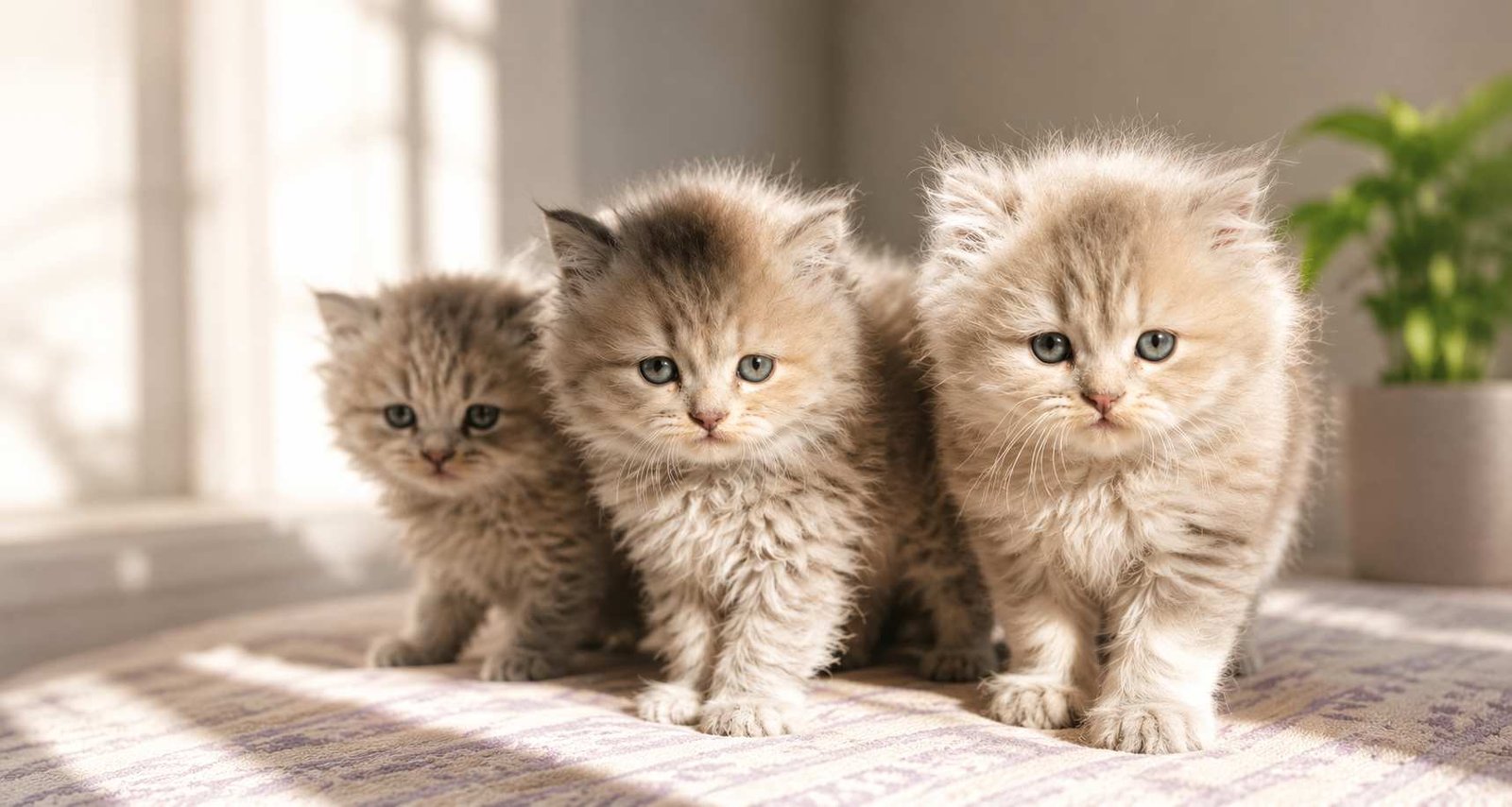
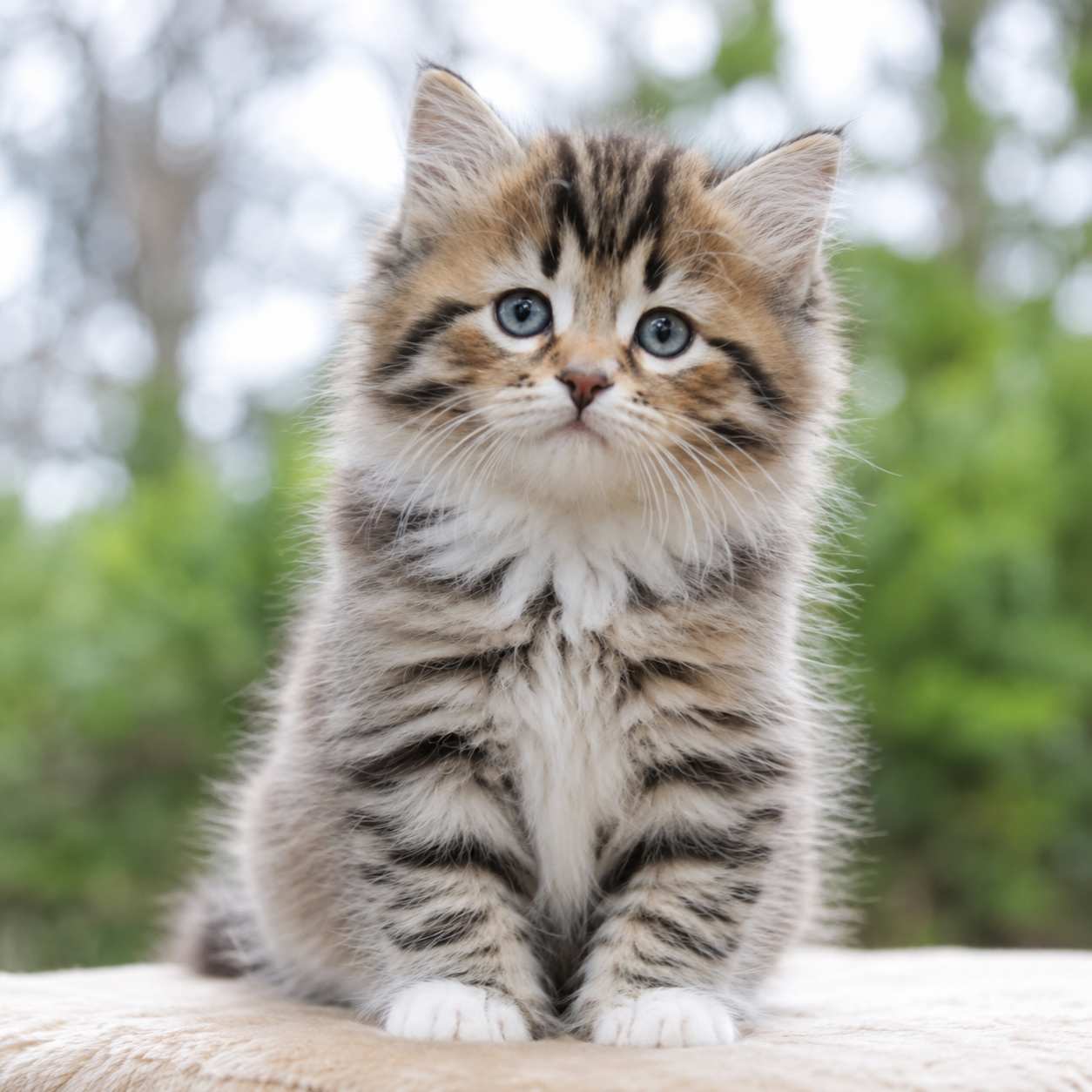
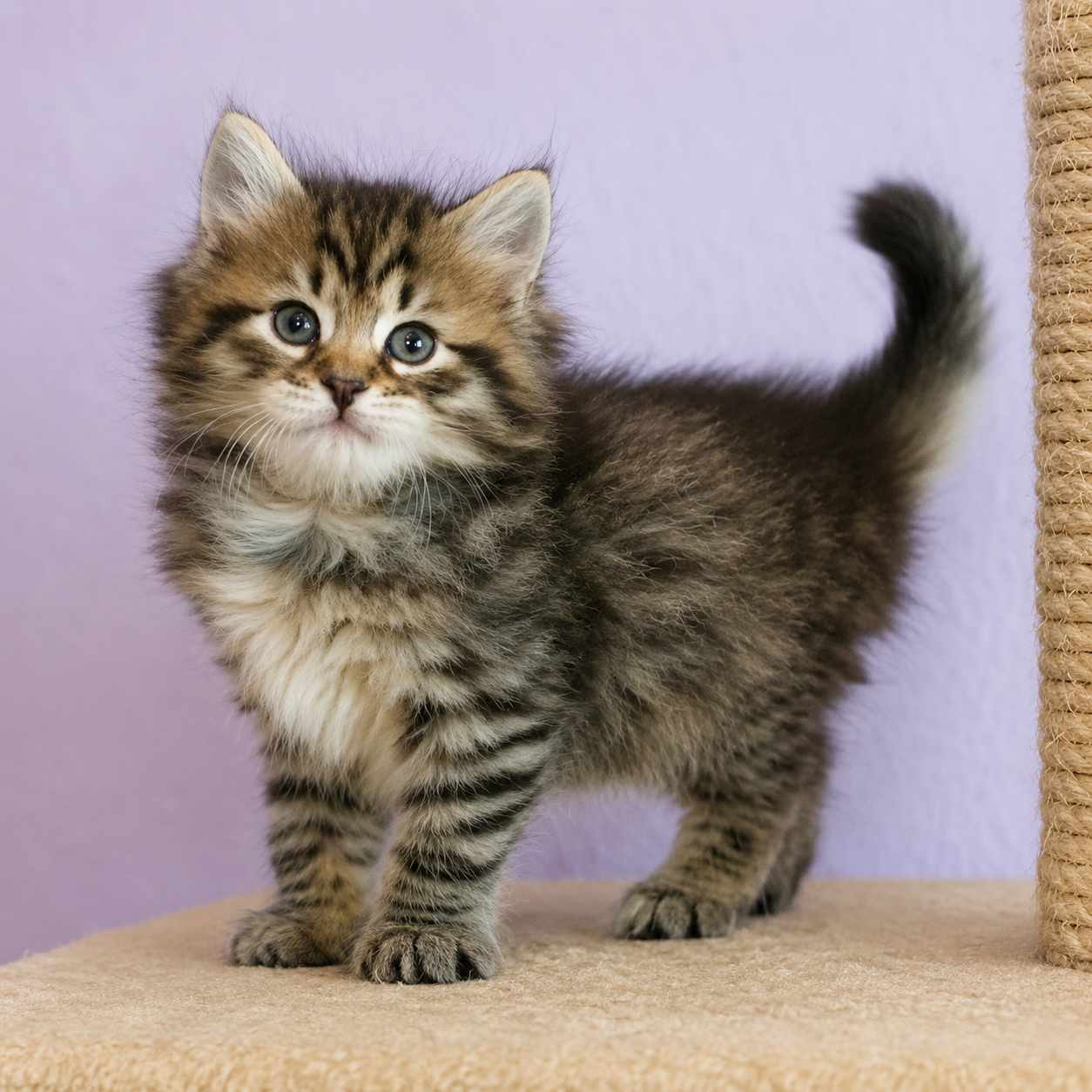
Siberian Cat Gallery
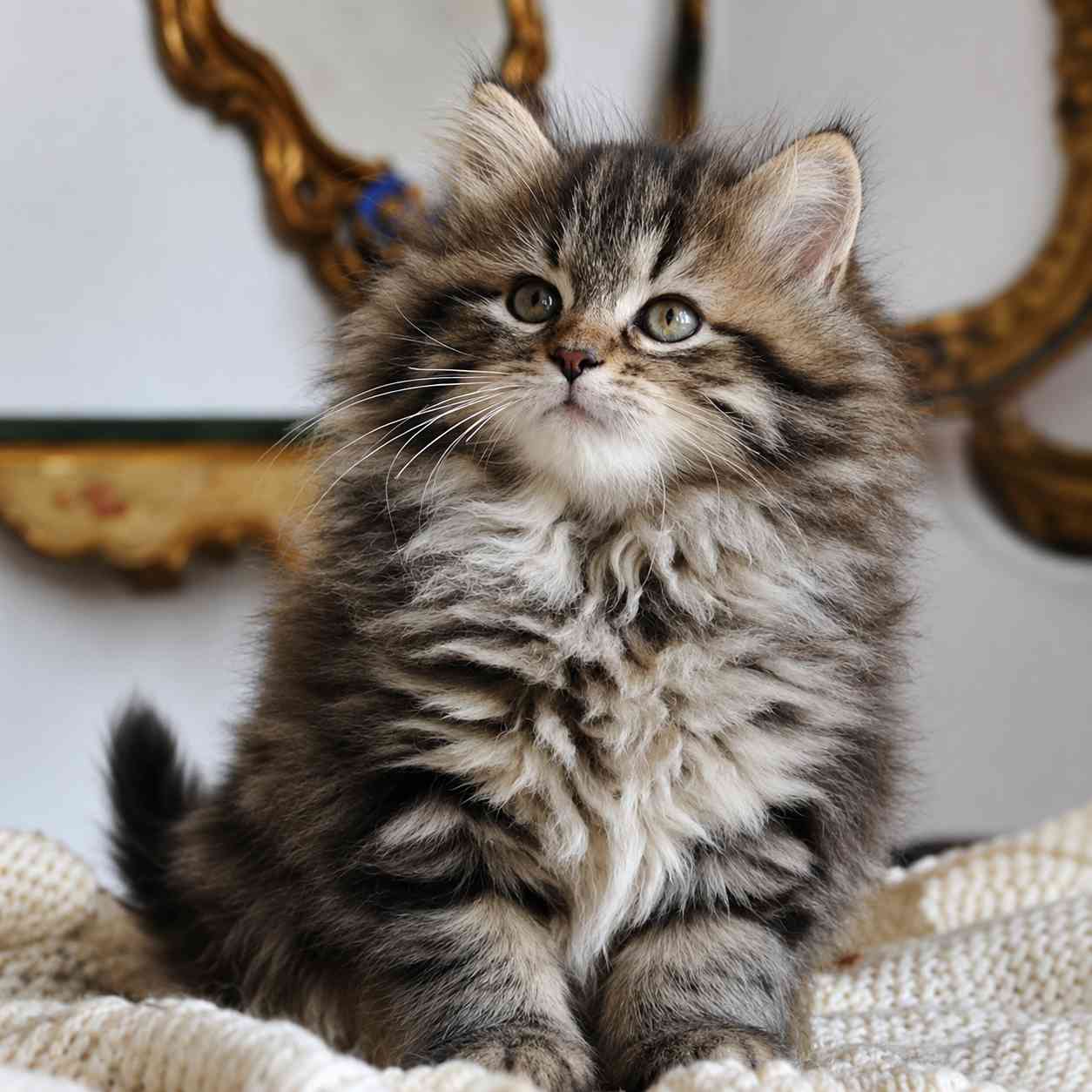
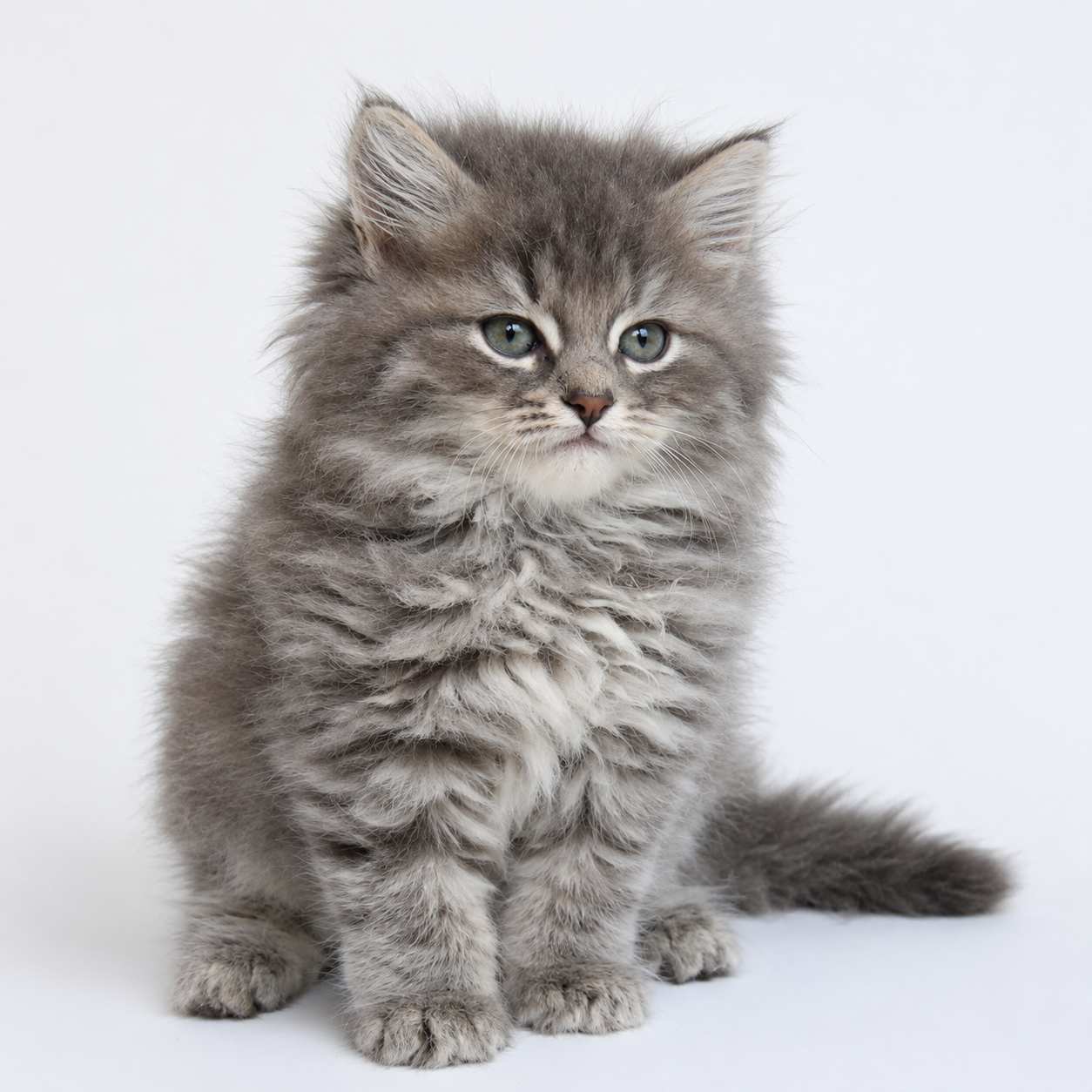
A closer look at Siberian cats and kittens, their thick triple coats, sturdy build, and unmistakably playful expression.
Introduction to the Siberian Cat
The Siberian cat is a large, muscular breed with a thick, water-resistant triple coat, built to survive the harsh winters of its native Russia. Despite its wild, forest-cat appearance, it's known for being remarkably friendly, playful, and dog-like in how closely it bonds with its family, a trait that surprises a lot of first-time owners.
In India, the Siberian has been gaining attention largely because of one specific reason, its coat produces noticeably lower levels of the Fel d 1 protein, the main trigger behind most cat allergies. This has made it a popular choice among allergy-sensitive households in cities like Bangalore, Pune, and Mumbai, alongside its general appeal as an active, sturdy, family-friendly cat.
An Ancient Breed With Deep Russian Roots
Unlike many modern breeds shaped through selective crossbreeding, the Siberian developed naturally over centuries in Russia's forests, with historical records and folklore referencing it as far back as the 1000s. It wasn't formally recognised by international cat associations until the late 20th century, well after the breed had already existed for generations as a working farm cat, valued for keeping rodent populations under control.
Also Known by a Few Other Names
The breed is sometimes called the Siberian Forest Cat, a name that better reflects its wild origins and natural development outside of formal breeding programs. In Russian, it's referred to as Sibirskaya Koshka. Regardless of the name used, the core traits stay consistent, a dense triple coat, a strong, rounded body, and a temperament far gentler than its rugged appearance suggests.
What This Guide Covers
This page walks through everything a prospective Indian owner needs to know about the Siberian cat, its origin and journey to India, price expectations, temperament and behaviour with families, grooming needs despite its thick coat, common health considerations, and how to identify a healthy, well-raised kitten. Whether you're drawn in by the allergy-friendly reputation or simply love the breed's look, everything is covered here in one place.
Origin & History of the Siberian Cat
Global Origin
Unlike most pedigree breeds that were carefully engineered by breeders, the Siberian cat is a natural breed, it developed on its own over hundreds of years in the harsh forests and farmlands of Russia, particularly in the Siberian region the breed is named after. Long before anyone thought of "breeding" cats formally, these thick-coated cats were already surviving brutal winters, working as barn cats and household mousers across Russian homes and monasteries.
References to large, fluffy Russian cats show up in old Russian folk tales and children's stories going back centuries, which tells you how deeply this cat was woven into everyday Russian life long before it had a breed standard. Formal recognition came much later than you'd expect. The breed was only standardised and shown within Russia in the late 1980s, and it wasn't until 1990 that the first Siberian cats were exported out of Russia to the United States, marking the breed's real introduction to the international pedigree cat world.
From there, international cat associations like TICA began recognising the Siberian through the 1990s, and the breed slowly built a global following, largely on the strength of its dog-like personality, striking looks, and the fact that many people with mild cat allergies seem to tolerate Siberians better than other breeds.
Siberian Cat in India When Did It Arrive?
The Siberian cat is still a relatively new name in the Indian pet scene compared to breeds that have been around for decades. Its entry into India has followed the broader growth of exotic and pedigree cat ownership in metro cities, as more Indian pet owners started looking beyond the usual breeds and importing or sourcing rarer cats through specialised breeders.
- For a long time, Siberian cats in India were almost unheard of outside a tiny circle of dedicated importers and breeders, largely because sourcing genuine, healthy bloodlines from abroad wasn't easy.
- In the last several years, rising interest in unique and low-allergen breeds, along with better breeder networks in cities like Delhi NCR, Mumbai, Bangalore, and Pune, has slowly made Siberian kittens more available, though they're still far less common than Persians.
- Today, the Siberian is gaining ground among Indian pet owners who want something different, a cat that's playful, loyal, and a genuine option for allergy-sensitive households.
At Royal Kitten, we work with trusted home breeders who raise Siberian kittens in proper family environments, not commercial setups, so you get a kitten that's healthy, well-socialised, and true to the breed's naturally friendly temperament by the time it comes home to you.
Physical Characteristics of the Siberian Cat
The Siberian is a big, sturdy cat built for cold weather, everything about its body, coat, and paws is designed to handle harsh winters. Here's a detailed look at its build, coat colours, size, eyes, and the standout features that make this breed so easy to recognise.
Appearance & Body Structure
Siberian cats have a semi-cobby, barrel-shaped body, solid and muscular but never bulky in an awkward way. They sit on medium, thick-boned legs with large, round paws that almost look like they're built for walking on snow. The head is a modified wedge shape with rounded contours, the ears are medium-to-large with rounded tips and often carry small tufts of fur, and the eyes are large, slightly oval, and set well apart, giving the face an alert, sweet expression rather than a flat or extreme look.
Coat Types & Colours
The Siberian's coat is its defining feature, a triple layer of fur made up of a coarse guard layer, a middle awn layer, and a soft, dense undercoat. This combination is naturally water-resistant, which is what let the breed survive Russian winters outdoors for centuries. The coat also changes with the seasons, thicker and fuller in winter, noticeably lighter in summer. Siberians come in a wide range of colours and patterns, here's the typical spread:
Even with all that fur, the coat is surprisingly low-tangle for a long-haired breed, weekly brushing is usually enough, except during the twice-yearly shedding season when it needs more attention.
Size & Weight
Eye Colour
Siberian eyes are typically large, round-to-oval, and come in shades of green and gold, with copper also seen in some lines. Colour-point Siberians (known as Neva Masquerade) usually have striking blue eyes instead, since the point pattern is linked to that eye colour genetically.
What Makes a Siberian Instantly Recognisable
Unlike breeds defined by facial structure, the Siberian's identity comes from a handful of physical traits that all work together for survival in cold climates. Here's what to look for:
Triple Coat
Water-resistant guard hairs over a dense undercoat, built to insulate against snow and cold.
Full Neck Ruff
A thick collar of fur around the neck and chest, most prominent in winter coat.
Tufted Ears & Toes
Lynx-like ear tufts and furred toes add extra protection against frostbite.
Bushy Tail
A full, round tail the cat can wrap around itself for warmth while resting.
Round Snowshoe Paws
Large, rounded paws distribute weight better on snow, almost like natural snowshoes.
Personality & Temperament
Siberian cats have a lively, dog-like personality that surprises a lot of first-time owners who expect a typical laid-back house cat. They're curious, playful, and genuinely love being part of whatever's happening in the house, whether that's following you from room to room, jumping up to investigate a bag of groceries, or greeting you at the door when you get home. This isn't a breed that's content sitting in a corner all day, they want to be involved.
An Active, Dog-Like Companion
Unlike breeds that spend most of the day sleeping, Siberians stay fairly active well into adulthood. They enjoy climbing, jumping onto high shelves and cupboards, and playing with interactive toys that let them chase, pounce, and problem-solve. Many Siberians also pick up simple tricks or routines quickly, fetching a favourite toy, coming when called, or learning to open cabinet doors, behaviour that owners often compare to having a small dog around the house. Because of this, they do best with some form of daily play and enrichment rather than being left to entertain themselves indefinitely.
How They Behave Around Children
Siberians are usually excellent with children, patient, tolerant, and sturdy enough to handle a bit of enthusiastic play without getting stressed. Their playful streak actually works in their favour here, they're often just as keen to chase a toy or play a game as the child is. As with any cat, it still helps to teach children to respect the cat's space and avoid grabbing or restraining them, but Siberians generally adapt well to busy, noisy households with kids around.
Getting Along With Other Pets
This breed tends to be quite sociable with other animals, including dogs, when introductions are handled gradually. Siberians are confident without being aggressive, and their playful nature often helps them bond with another cat or a dog fairly quickly once the initial adjustment period is over. They're not the type to hide for weeks after a new pet arrives, most Siberians are curious enough to want to check things out themselves.
Why This Breed Suits Active, Hands-On Owners
A Siberian is a better fit for someone who wants an engaged, interactive companion rather than a cat that mostly keeps to itself. They thrive on attention, play sessions, and having things to explore, cat trees, window perches, and puzzle feeders all go a long way with this breed. The trade-off works the other way from a low-energy breed: daily engagement matters more here, but grooming is comparatively easier, weekly brushing is usually enough outside of shedding season.
Signs of a Well-Adjusted Siberian
A Siberian that's been well socialised from kittenhood is typically confident, affectionate, and quick to warm up to new people and situations. They enjoy being near their owners, often supervising daily tasks or settling nearby rather than demanding to be held constantly. If a Siberian seems unusually withdrawn, skittish around normal household activity, or reluctant to engage even after settling in, it's usually worth looking into its early handling and socialisation rather than assuming it's just the breed's nature, Siberians are naturally outgoing, and prolonged shyness is often circumstantial rather than typical.
Health & Common Health Issues
Siberian cats are a naturally hardy breed with relatively few breed-specific problems compared to more selectively bred cats. Still, there are a handful of health areas worth knowing about so you can spot early signs and pick a kitten from responsibly screened parents.
Health Issues to Watch For
Hypertrophic Cardiomyopathy (HCM)
HCM is a heart condition where the heart muscle thickens over time, and it's one of the more important genetic concerns in the Siberian breed. Reputable breeders regularly screen breeding cats for it, so it's worth asking whether a kitten's parents have been tested.
Weight Gain in Adulthood
Siberians are a large, muscular breed, and once their high-energy kitten phase settles down, they can gain weight quickly if diet and activity aren't managed. Keeping up with play sessions helps prevent this even as they mature.
Seasonal Shedding
The triple coat sheds heavily twice a year as the seasons change. This isn't a health issue on its own, but skipped brushing during these periods can lead to matting and skin irritation underneath the loose fur.
Joint Health in Larger Cats
Because Siberians are on the heavier side and slow to mature, keeping an eye on joint comfort as they age, especially in cats that are overweight, helps catch mobility issues early.
Dental Care
Like most breeds, Siberians can develop plaque and tartar buildup over time. Regular dental checks during vet visits help prevent gum disease later in life.
Allergy Misconceptions
Siberians are often marketed as "hypoallergenic," but this isn't fully accurate. They tend to produce lower levels of the Fel d 1 protein that triggers most cat allergies, which is why many allergy sufferers tolerate them better, not because they don't shed or produce allergens at all.
General Vaccination Guide
Every kitten's exact schedule can vary slightly, but most vets in India follow a similar general timeline for core vaccinations. Use this as a rough guide, not a replacement for your vet's advice.
Routine Vet Care
Beyond vaccinations, a Siberian benefits from a check-up at least once or twice a year, with particular attention to heart health given the breed's known risk for HCM. Since Siberians mature slowly and stay active well into adulthood, routine checks also help track weight and joint health as the cat gets older.
Grooming & Care Guide
A Siberian cat's care routine looks quite different from most long-haired breeds, the coat is actually easier to manage than it looks, but this is a large, active cat that needs real engagement to stay happy. Here's what a proper care routine looks like.
Coat Care
Despite having a triple layer coat, Siberians are surprisingly low-maintenance for most of the year, the fur is naturally water-resistant and resists matting far better than other long-haired breeds. A brush once or twice a week is usually enough. The exception is the twice-a-year seasonal shed, when the undercoat comes out in clumps and daily brushing for a couple of weeks makes a real difference to how much fur ends up around the house.
Bathing
Thanks to the water-resistant coat, Siberians rarely need baths, most owners bathe them only a few times a year, or when they genuinely get dirty. Over-bathing can actually strip the natural oils that make the coat water-repellent in the first place, so less is more here.
Ear & Nail Care
Check ears every couple of weeks for wax buildup or odour, and trim nails every 2 to 3 weeks. Siberians love scratching posts, encouraging this early helps keep nails naturally worn down and furniture intact.
Diet & Nutrition
- Kitten stage (0–12 months): High-protein, kitten-specific food, fed in 3–4 small meals a day, this breed grows slowly and needs sustained nutrition well past a year old.
- Adult (1+ years): Balanced adult cat food, twice a day, portioned carefully since Siberians are a large breed and can gain weight once their kitten energy levels settle down.
- Joint support: Given their size and slow maturity, a diet with good joint-support nutrients is worth discussing with your vet as they age.
Litter Training
Siberians are quick learners and pick up litter training with little effort. Being a naturally clean breed, they respond well to a consistently tidy litter box, and their intelligence means they rarely have accidents once the habit is set.
Exercise Needs
This is where Siberians differ most from calmer breeds, exercise needs are genuinely high, especially through kittenhood and early adulthood. Daily interactive play, climbing opportunities like a tall cat tree, and puzzle toys aren't optional extras, they're what keep a Siberian mentally and physically satisfied. A bored, under-stimulated Siberian is far more likely to get into mischief than simply sleep the day away.
Bringing a Siberian kitten home soon? Follow our detailed post-delivery care guide to get the first few weeks right.
Read the Kitten Care Guide →Cost of Ownership (Beyond Purchase Price)
The purchase price of a Siberian kitten is only the starting point. What really shapes the long-term cost of owning one is the recurring expense that continues for the next 12 to 17 years, food, occasional grooming, vet care, and daily supplies. Being a large, active breed, a Siberian's ongoing needs look a little different from smaller, lower-energy cats, and it helps to plan for that from the start.
What Ongoing Ownership Actually Includes
- Food: Siberians are a big-bodied breed with a hearty appetite, and good-quality food is a recurring monthly cost. Portions also tend to be larger than for smaller cat breeds, which adds up over time.
- Grooming: Home grooming needs are fairly light most of the year, but many owners still keep grooming tools and occasionally use a professional groomer during the heavy seasonal shed.
- Vet care & vaccination: Annual vaccinations, deworming, and routine check-ups are essential, with particular attention to heart health given the breed's known risk for HCM.
- Toys & enrichment: Because Siberians are so active and playful, cat trees, scratching posts, and interactive toys aren't optional extras, they're a genuine, recurring part of keeping this breed happy.
- Emergency fund: It's worth setting aside a small reserve for unplanned vet visits, since health issues don't always arrive on a predictable schedule.
None of these costs are fixed, they vary based on the city you're in, the quality of food and care you choose, and the individual cat's needs. What matters most is going in with a realistic picture of ongoing ownership, rather than only accounting for the day-one purchase price.
Myths vs Facts About Siberian Cats
Siberian cats attract their fair share of misconceptions, partly because of their wild-sounding name and thick coat. Here's what's actually true, and where these ideas come from.
Siberian Cat vs Persian Cat
Both are long-haired, plush-looking breeds, which is why people in India often lump them together when comparing options. But once you look at the coat, body type, and temperament, they turn out to be quite different cats.
| Feature | Siberian | Persian |
|---|---|---|
| Origin | Russia, developed naturally over centuries to survive harsh forest winters | Persia (modern-day Iran), one of the oldest recognised cat breeds |
| Coat Type | Dense, water-resistant triple coat with a thick ruff, sheds but mats less due to its texture | Long, silky double coat that mats easily and needs daily brushing to stay tangle-free |
| Face & Body | Slightly rounded face with a visible nose, medium to large muscular body, no flattened features | Round, flat (brachycephalic) face with a short nose, cobby and compact body build |
| Allergy Friendliness | Naturally produces lower levels of the Fel d 1 protein, often better tolerated by allergy sufferers | Produces standard levels of Fel d 1, not considered allergy-friendly despite common assumptions |
| Temperament | Playful, curious, and notably dog-like in how closely it bonds and follows its owner around the house | Calm, quiet, and content with a low-key routine, prefers relaxing over active play |
| Grooming Needs | Weekly brushing is usually enough, the coat's natural texture resists matting better than most long-haired breeds | Needs daily brushing without exception, the coat mats quickly if even a few days are skipped |
| Price in India | Generally priced higher than a standard Persian, mainly due to limited breeders and its hypoallergenic reputation | Varies by coat type, face type, and lineage, see our Persian cat price guide for current ranges |
Siberian Cat Breed Standards
Globally, the Siberian is a formally recognised natural breed with defined physical standards. Major cat registries, including The International Cat Association (TICA), the World Cat Federation (WCF), FIFe, and the Cat Fanciers' Association (CFA), each maintain their own breed standard for the Siberian. These standards cover body structure, coat quality, colour patterns, and general proportions, and since the breed developed naturally rather than through selective engineering, most standards focus on preserving that original, functional build rather than pushing toward any extreme look.
Can You Register a Siberian Cat in India?
Yes, Siberian cat owners in India can pursue formal registration if they're interested in showing their cat or maintaining official pedigree records. Several India-based cat fancier clubs, many affiliated with international bodies like TICA, allow owners to register their cats and participate in shows. Since Siberians are still a relatively less common breed in India, registration and documentation can also be useful if you plan to breed responsibly down the line, since it helps maintain a verifiable, transparent lineage.
What We Provide With Every Kitten
Along with your kitten, we provide proper health documentation, records of the vet check-up, vaccination status, and deworming, so you have a clear picture of the health steps already completed before the kitten comes home. Given the breed's known consideration around heart health (HCM), we also ensure parent screening information is available where applicable. If you decide to pursue formal registration afterward, this documentation is a useful starting point to have on hand.
Want to know exactly how we verify a kitten's health before it's cleared for delivery? See our 3-step kitten verification process.
Kitten Development Stages (Week by Week)
Understanding how a kitten grows week by week helps you know what to expect, and why the age at which you bring one home actually matters. Here's how a Siberian kitten typically develops from birth to full adulthood, a journey that takes noticeably longer than most breeds.
Ideal age to bring home a kitten:
Generally 8–13 weeks is recommended, by this point a kitten is properly weaned, litter trained, and socialised enough to adjust smoothly to a new home.
Seasonal Care for Siberian Cats in India
A Siberian's coat evolved for Russian winters, which means India's seasons affect this breed a little differently than most. Here's how to adjust care through the year to keep your cat comfortable and healthy.
- This is the toughest season for a Siberian in India, a coat built for sub-zero winters works against them in peak Indian heat, so a cool, shaded room with a fan or AC is genuinely important.
- Keep fresh water available at all times, Siberians are large, active cats and can dehydrate faster during intense heat and play.
- Brushing out the undercoat during this season actually helps the cat regulate temperature better, less trapped fur means better airflow to the skin.
- Watch for heatstroke signs, heavy panting, lethargy, or unusual weakness, and contact a vet immediately if these appear.
- Humidity can lead to skin irritation under the dense undercoat if it stays damp, drying the coat properly after any exposure to moisture matters here.
- Clean the litter box more frequently, humid conditions speed up bacteria growth.
- Keep an eye on ear health during this season, moisture buildup can lead to ear infections, especially with those well-furred ears.
- This is where a Siberian genuinely thrives, its coat reaches full thickness and the breed is at its most comfortable during India's cooler months.
- Even owners in colder, northern parts of India will find their Siberian handling the chill far better than most other breeds, no extra warmth measures are usually needed.
Adoption vs Buying: What to Consider
Both routes can lead to a great cat, the right choice depends on what matters most to you, predictability of traits, cost, or giving a cat in need a home.
Buying a Home-Bred Kitten
- A kitten like ours, raised in a real family home rather than a commercial cattery, grows up around people, everyday noise, and normal routines, so it settles into your home more easily.
- Comes with proper health documentation, including vet check-ups, vaccination records, and deworming, so you know exactly what's been done before the kitten reaches you.
- Since Siberians are still a relatively rare breed in India, buying from a known breeder is often the more practical route if you want a genuine, healthy purebred kitten.
- Home-raised kittens are typically already comfortable with handling, early play, and basic litter training by the time they're ready to come home.
Adoption
- Purebred Siberian cats are uncommon in Indian shelters and rescues, given how limited the breed's overall population still is here, though mixed-breed cats with Siberian-like traits do occasionally turn up.
- Generally costs less than buying a kitten.
- Gives a cat that needs a home a second chance, often an adult cat rather than a young kitten.
- Background details like exact age, lineage, or early health history may be limited or unknown.
Not sure where to start? Our complete guide to buying a kitten in India walks you through the entire process step by step.
Famous Siberian Cats & Cultural Significance
The Siberian doesn't carry the same centuries-old celebrity history as some other breeds, but its story is rooted in something arguably more interesting, everyday Russian life and folklore, rather than aristocratic drawing rooms.
A Cat Rooted in Russian Folklore
Long before the Siberian had a formal breed standard, large fluffy cats resembling it appeared in old Russian folk tales and children's stories, often as clever, resourceful characters. This wasn't a pampered lap cat in the cultural imagination, it was a working, weather-hardy animal that earned its place in the household by keeping barns and homes free of rodents through brutal winters.
Growing Global Recognition
Since its export to the West in 1990, the Siberian has steadily built an international following, particularly among cat lovers looking for a large, dog-like companion, and among people with mild allergies who've found they tolerate this breed better than most. Cat shows and breed clubs internationally have helped raise its profile, though it remains a comparatively rare and sought-after breed in many countries, including India.
A Practical Reputation, Not Just a Pretty One
Unlike breeds primarily known for their looks, the Siberian's popularity has grown largely on reputation, word of mouth among owners about its intelligence, loyalty, and lower-allergen coat. That practical, word-of-mouth appeal is part of what continues to draw new owners to the breed today.
Siberian Cat Variants & Types
Unlike breeds with multiple official sub-types, the Siberian is a fairly unified breed, most of the variation you'll see comes down to coat colour and pattern rather than distinct structural types.
Neva Masquerade (Colour-Point Siberian)
This is the most notable variant within the breed, a colour-point Siberian with a Himalayan-style pattern (darker points on the ears, face, legs, and tail) and striking blue eyes. Some registries treat it as a colour variety of the Siberian, while others recognise it as a separate breed entirely, so you may see it listed either way depending on the organisation.
Longer-Coated vs Standard-Coated Lines
Within breeding lines, some Siberians carry noticeably longer or plusher coats than others, largely due to natural variation rather than a formal sub-category. This is simply part of the breed's genetic diversity rather than a distinct "type" the way face structure varies in some other breeds.
Genetics & Breeding Considerations
Siberian coat colour genetics follow the same general dominant-recessive patterns seen across most cat breeds, which is part of why the breed shows such a wide spread of colours, solids, tabbies, tortoiseshells, and the distinct colour-point pattern seen in Neva Masquerade lines.
On the health side, Hypertrophic Cardiomyopathy (HCM) is the primary genetic concern breeders screen for, since it's a heart condition that can be passed down through breeding lines. Responsible breeding programs test breeding cats for HCM and avoid pairing cats with a family history of the condition. Because Siberians are a naturally developed breed rather than one shaped by selective extreme-trait breeding, ethical breeders generally focus on preserving the breed's original hardy build and temperament rather than pushing toward any exaggerated physical trait.
Conclusion
The Siberian cat brings something genuinely different to Indian households, a large, playful, dog-like companion with a coat that's surprisingly easy to live with for most of the year. Whether you're drawn to the breed for its striking looks, its lower-allergen coat, or its outgoing personality, it's worth understanding the exercise needs, heart-health screening, and seasonal care this breed requires, especially through Indian summers, before bringing one home. If you're ready to take the next step, choosing a kitten that's been raised in a real home, properly health-checked, and genuinely socialised makes all the difference in how smoothly it settles into your family.
Explore Other Popular Cat Breeds
Looking for a cat breed other than Siberian? Explore our detailed breed guides to compare different cats, their characteristics, care requirements, and prices.
Siberian Cats for Sale Near You
Looking for a Siberian kitten in your city? Check out our location-specific pages for availability, pricing, and home-delivery options across India.
Frequently Asked Questions About Siberian Cats
Here are the questions people ask most often about Siberian cats, answered clearly and honestly.