Himalayan Cat: Origin, Looks, Temperament & Everything You Should Know
A calm, fluffy cat with striking blue eyes and a coat that turns heads, here's the full picture on where the Himalayan comes from, what it looks like, how it behaves at home, and what kind of care it actually needs.
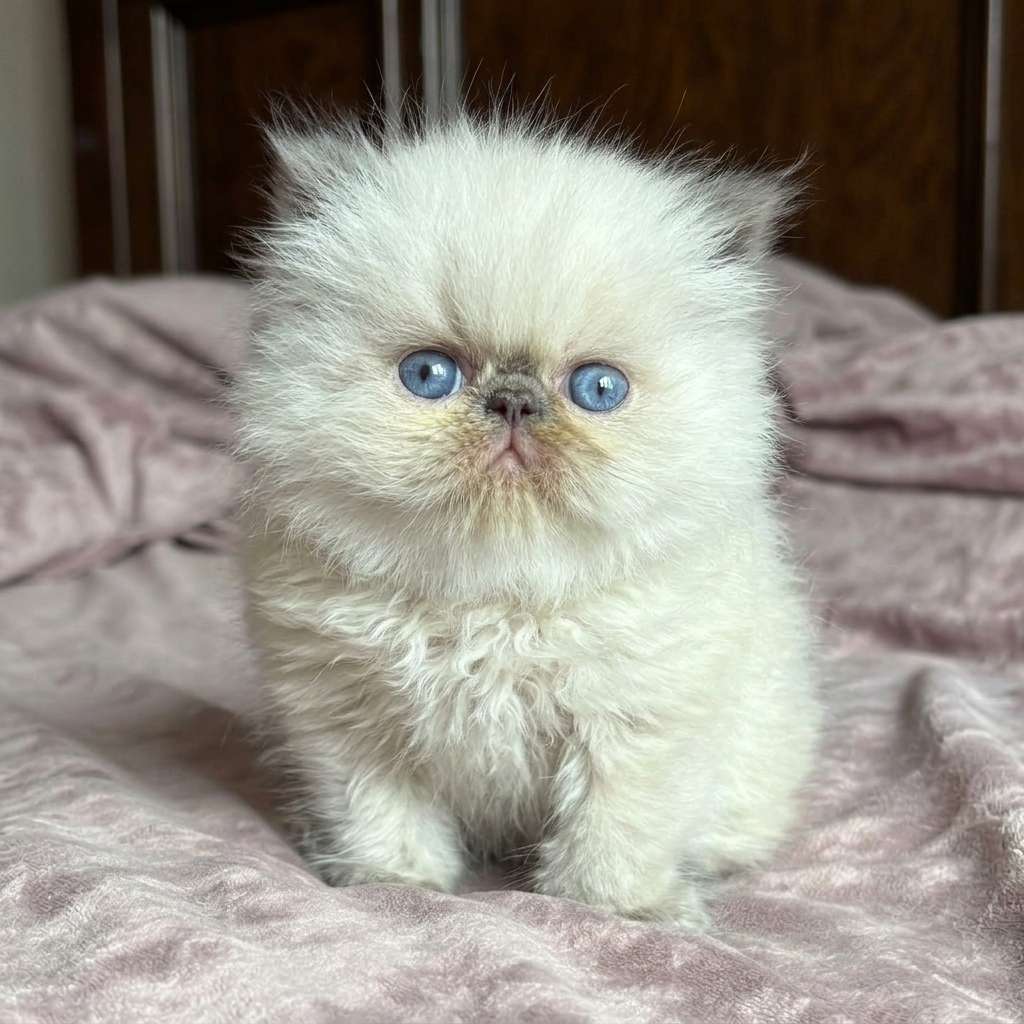
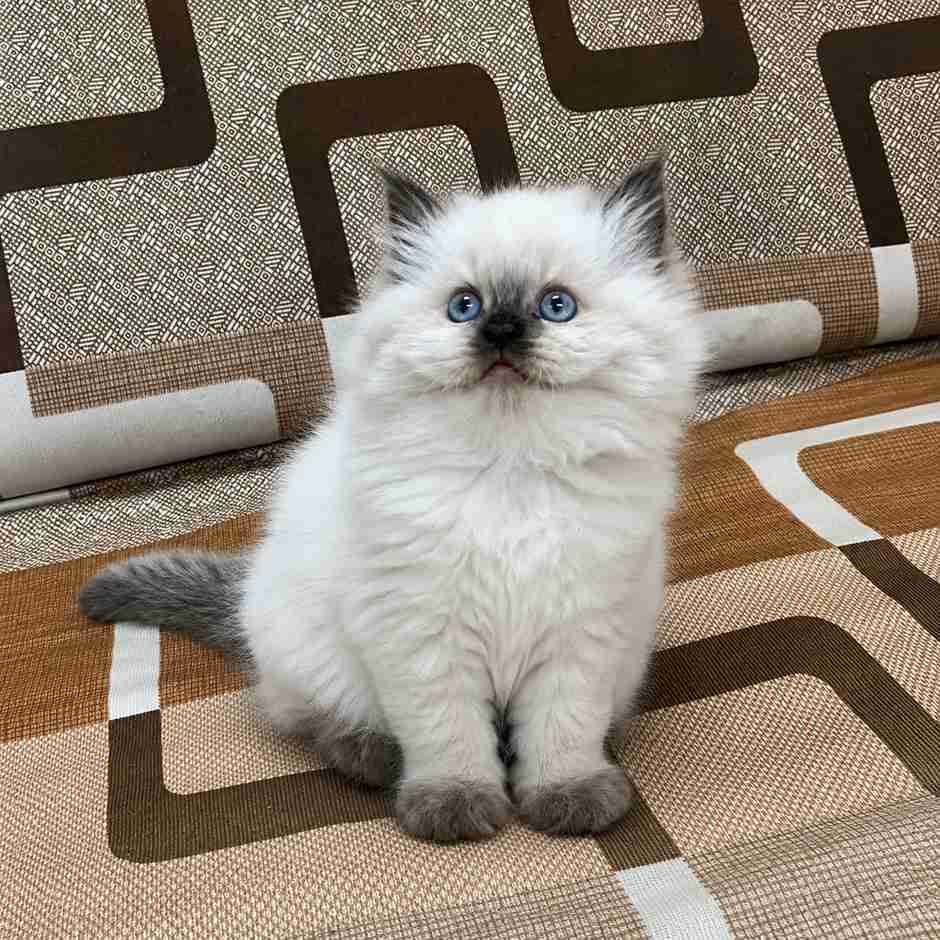
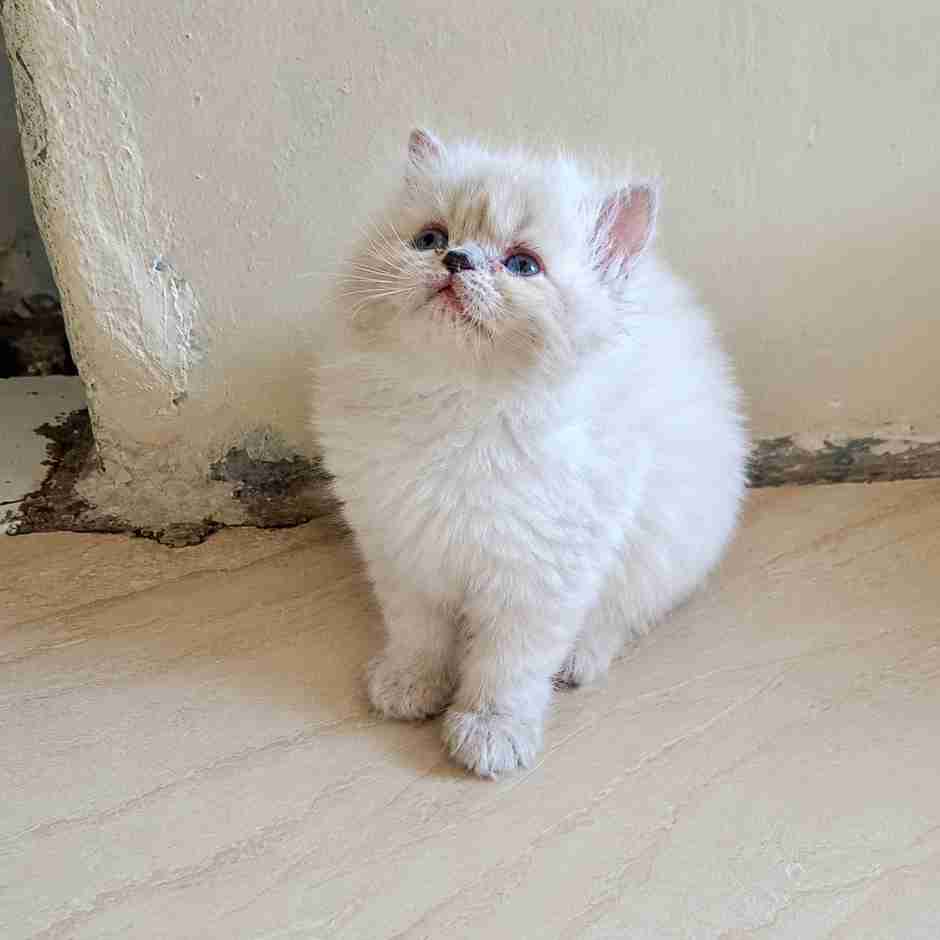
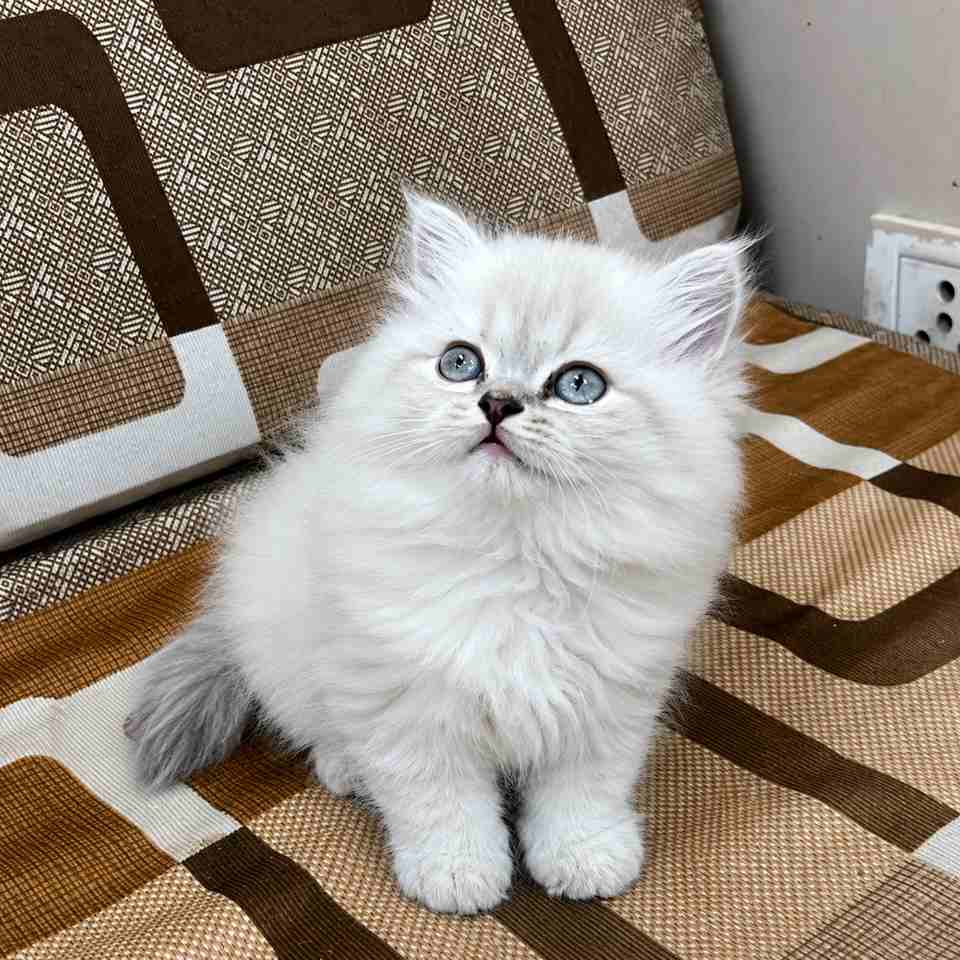
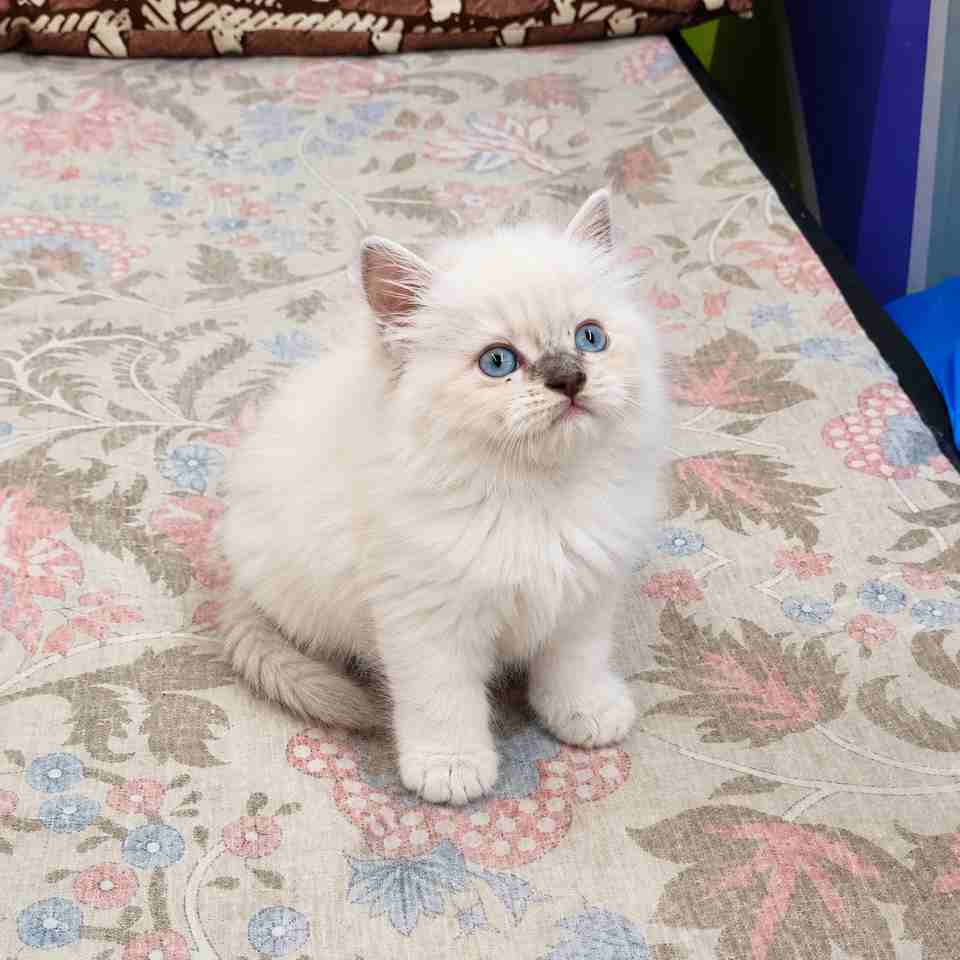
Himalayan Cat Gallery
A closer look at Himalayan cats and kittens, their blue eyes, colour-point coats, and that unmistakable plush look.
Introduction to the Himalayan Cat
The Himalayan cat is often mistaken for a Persian at first glance, and honestly, that mix-up makes sense. It has the same plush, round body and flat face, but with one big difference, striking blue eyes and a pointed coat pattern that gives it a look closer to a Siamese. This breed didn't happen by accident either, it was deliberately created by crossing Persians with Siamese cats to bring both those traits together in one cat.
In India, more and more people are choosing the Himalayan over the standard Persian, mainly because of those unmistakable blue eyes and the two-tone coat colouring. It's a breed that suits indoor life well, doesn't need a yard to run around in, and is perfectly happy spending its day on a windowsill or curled up next to you. That makes it a solid choice for apartment owners in cities like Delhi, Mumbai, and Bangalore, where outdoor space is usually limited.
Why It's Called "Himalayan" Even Though It's Not From There
Here's something that surprises a lot of new owners, the Himalayan cat has nothing to do with the Himalayan mountains. The name actually comes from the coat pattern itself. Rabbits and guinea pigs with a similar darker-point, lighter-body colouring were already called Himalayan long before this cat breed existed, and breeders simply borrowed the term because the coat looked the same. Some registries still list it under a different name altogether, calling it the Colourpoint Persian instead of a separate breed. So depending on which cat association you're reading about, you might see it referred to by either name, but you're talking about the same cat either way.
Persian, Siamese, or Something in Between?
New owners often ask which parent breed the Himalayan takes after more, and the honest answer is both, just in different ways. The body shape, coat length, and laid-back nature come almost entirely from the Persian side. The blue eyes, the pointed colouring on the face, ears, paws, and tail, and a slightly more social streak come from the Siamese side. What you end up with is a cat that looks dramatic but behaves like a homebody, which is exactly why the breed has such a loyal fan base.
A Few Things That Make This Breed Stand Out
- No two Himalayans look exactly alike, the depth of the point colour can shift slightly with room temperature and age
- Kittens are usually born almost white, the coloured points develop gradually over the first year or two
- The breed carries genes from two very different cat personalities, yet somehow ends up calmer than either parent
What You'll Find on This Page
This page is meant to give you a clear, honest picture of the Himalayan cat, where the breed actually came from, what its coat and eyes look like up close, how it behaves day to day, and the kind of grooming and health care it realistically needs. Whether you already have one at home or are just trying to learn more about the breed before deciding, everything you need is right here.
Origin & History of the Himalayan Cat
Global Origin
Unlike most cat breeds, the Himalayan wasn't shaped by nature or centuries of wandering, it was built on purpose. The idea started in the 1930s when American breeders Virginia Cobb and Dr Clyde Keeler set out to combine the Persian's body type with the Siamese's colourpoint pattern. Their early experiments led to a kitten named Debutante, born in 1935, generally considered the first documented Himalayan cat and the starting point of the entire breed.
British breeders picked up similar work around the same period, and by the 1950s, breeders on both sides of the Atlantic had refined the look enough for major cat associations to take notice. The Cat Fanciers' Association formally recognised the Himalayan as its own breed in 1957, and other registries followed over the next couple of decades. Not every association agreed on keeping it separate though, some, including certain branches of the CFA rulebook later on, folded it back into the Persian breed as a colourpoint division rather than treating it as standalone.
What's stayed constant through all of this is the breeding goal itself, keep the calm, rounded Persian build, but add the blue eyes and pointed pattern that make the breed instantly recognisable.
Himalayan Cat in India When Did It Show Up?
The Himalayan reached Indian homes later than the Persian did, mostly because it was a rarer, more specialised breed even internationally. As pedigree cat ownership grew in Indian metros through the 2000s and 2010s, Persians paved the way first, and the Himalayan followed once breeders and buyers alike became more familiar with colourpoint varieties.
- Early on, Himalayan kittens were harder to find in India than Persians, since fewer breeders specialised in the colourpoint variety
- As pet ownership culture matured in cities like Delhi NCR, Mumbai, Bangalore, Pune, and Hyderabad, more home breeders started raising Himalayans alongside Persians
- The breed is now firmly established across major Indian cities, with growing demand driven largely by its distinctive blue eyes and social media visibility
At Royal Kitten, Himalayan kittens are raised through the same home-breeding approach we've followed for every breed we work with, real family environments instead of commercial catteries, so temperament and health aren't compromised for volume. Our team has been guiding Indian families through pedigree kitten adoption since 2005, and that experience carries directly into how we vet and support every Himalayan litter that comes through us.
Physical Characteristics of the Himalayan Cat
The Himalayan combines a Persian's round, plush build with a striking colourpoint coat and deep blue eyes. Here's a closer look at its body type, coat colours, size, eyes, and the range of face shapes you'll come across when picking a kitten.
Appearance & Body Structure
Like the Persian side of its ancestry, the Himalayan carries a "cobby" frame, short, thickset, and surprisingly heavy for its size, sitting low on short, sturdy legs. The head is broad and round, the face is flat (what vets call brachycephalic), the nose sits short and high, and the eyes are large, round, and always come in that signature deep blue. It's a soft, plush look that people often describe as almost teddy-bear like.
Coat Type & Point Colours
The coat itself is long, silky, and dense, needing the same level of upkeep as a Persian's. What sets the Himalayan apart is that it only comes in colourpoint patterns, darker shading on the ears, face, paws, and tail, against a much lighter body colour. Here's the range of point colours you'll typically come across:
Because the coat is so dense, mats build up fast without regular brushing, especially around the neck, belly, and behind the legs. Kittens are also born nearly white, the point colours only develop fully as the cat grows past its first year.
Size & Weight
Eye Colour
Unlike the Persian, which can carry copper, green, or gold eyes depending on coat colour, the Himalayan's eye colour barely varies. Almost every Himalayan, regardless of point colour, carries deep, vivid blue eyes, a trait passed down directly from its Siamese ancestry and one of the clearest ways to tell it apart from a standard Persian at a glance.
Himalayan Cat Face Types
Just like Persians, Himalayans aren't all bred to the same degree of facial flatness. Breeders generally group them into these face types, and the flatter the face, the more careful the grooming and health monitoring needs to be.
Traditional Face
A visible, proportionate nose closer to the original breed lines. Fewest breathing or tear-duct concerns.
Semi Flat Face
A shorter nose than traditional type, but still clearly defined. A balanced, lower-risk option for most homes.
Flat Face
Compact, short-nosed look. Needs regular eye wiping and closer attention to breathing in hot weather.
Extreme Flat Face
Nose sits almost level with the eyes. The most dramatic look, but also carries the highest health risk of the group.
Personality & Temperament
The Himalayan carries a Persian's calm nature but with a bit more spark, thanks to its Siamese side. It's still very much a lap cat that prefers a quiet corner over chasing anything down, but it tends to be a touch more interactive and curious about what's happening around it than a purebred Persian. Most owners describe it as affectionate without being needy, a cat that wants to be near you, not necessarily in your lap every second of the day.
Calm on the Outside, Slightly Playful Underneath
A Himalayan spends a good part of the day resting, usually somewhere between 12 and 15 hours, similar to most longhaired breeds. But when it's awake, it shows a bit more interest in toys and movement than a typical Persian, occasionally batting at a feather wand or following you room to room out of curiosity. It's still far from a high-energy cat, but this small streak of playfulness is often the first thing that gives away its Siamese ancestry.
Living With Children
Himalayans usually do well with children who understand basic boundaries. They're tolerant and rarely react aggressively, but the same flat face and dense coat that make them look cuddly also make them uncomfortable with rough handling. It helps to teach kids to let the cat approach on its own terms rather than picking it up unannounced. Once trust is built, a Himalayan tends to stick close to a child it's bonded with, often choosing to nap nearby rather than being held constantly.
Living With Other Pets
Introduce a Himalayan slowly to other cats or calm dogs, and it usually settles in without much drama. It's not a confrontational breed, if a new pet gets too boisterous, a Himalayan is more likely to walk away and observe from a distance than hiss or fight. Giving it a quiet space of its own in the early days, somewhere it can retreat to, makes the whole adjustment period smoother for everyone involved.
A Good Fit for First-Time Owners
Because it doesn't demand hours of active play or outdoor access, the Himalayan works well for someone new to cat ownership. What it does need in return is a stable routine and real commitment to grooming, that part isn't optional. If you can handle daily brushing and the occasional vet visit for eye or breathing checks, the day-to-day companionship side of owning a Himalayan is genuinely low-effort.
What a Well-Settled Himalayan Looks Like
A Himalayan that's been socialised properly from kittenhood is usually relaxed around visitors, comfortable being handled, and affectionate in short, sweet bursts rather than constant clinginess. If a Himalayan seems unusually withdrawn, hides for long stretches, or reacts fearfully to normal handling, that's often a sign of poor early socialisation rather than anything typical of the breed, and it's worth asking a breeder about the kitten's upbringing before bringing one home.
Health & Common Health Issues
Himalayans are generally sturdy cats, but their Persian-style flat face and dense coat bring along a set of known health considerations. Knowing what to look out for helps you spot problems early and pick a kitten from parents who've been properly screened.
Health Issues to Watch For
Breathing Difficulty (Brachycephalic Airway Syndrome)
The flattened face narrows the nasal passages, which can make breathing noisier or heavier than in other breeds, particularly during hot weather or after playtime. Cats with a more extreme flat face tend to be affected more than those with a traditional face type.
Polycystic Kidney Disease (PKD)
PKD shows up across the wider Persian-related gene pool, including Himalayans, where small fluid-filled cysts can slowly affect kidney function over time. Responsible breeders screen for it through genetic testing, and regular vet checks help catch changes early regardless of a kitten's background.
Tear Staining & Eye Discharge
The shallow tear ducts caused by the flat face lead to more watering around the eyes than most breeds. A quick daily wipe with a soft, damp cloth keeps staining and irritation under control.
Crossed Eyes (Strabismus)
Some Himalayans inherit a mild crossed-eye look from their Siamese ancestry. It's usually just cosmetic and doesn't affect vision or comfort, though it's worth mentioning to your vet during routine checkups.
Coat Matting & Skin Issues
Skip a few days of brushing and the dense coat starts matting fast, especially around the neck, belly, and behind the legs. Trapped moisture under mats can lead to skin irritation or infection if left unchecked.
Heat Sensitivity
A thick coat paired with a narrower airway makes Himalayans prone to overheating, something worth planning around during Indian summers. Cool, shaded, well-ventilated spots matter more for this breed than for most short-haired cats.
General Vaccination Guide
Exact schedules vary slightly kitten to kitten, but most vets across India follow a broadly similar timeline for core vaccinations. Treat this as a general reference, not a substitute for your vet's guidance.
Routine Vet Care
Beyond core vaccinations, a Himalayan benefits from a checkup once or twice a year, with extra attention to breathing, eyes, and kidney health given the breed's known risk areas. Spotting early signs of kidney changes or airway narrowing sooner rather than later makes a real difference to comfort and long-term lifespan.
Grooming & Care Guide
Owning a Himalayan mostly comes down to one thing, staying on top of that coat. Nail the grooming, diet, and daily routine, and everything else about caring for this breed becomes far simpler. Here's what a proper routine looks like day to day.
Coat Care
The Himalayan's long, dense coat needs daily attention, there's no way around it. Skip brushing for a couple of days and mats start forming, especially around the neck, belly, and behind the legs. A wide-tooth comb followed by a soft slicker brush works best, going through the coat section by section instead of skimming the surface. Watch out during seasonal shedding periods too, spring and autumn usually bring heavier fur loss, so a quick daily brush during these months saves a lot of cleanup later.
Bathing
A bath every 3 to 4 weeks keeps the coat clean and manageable. Stick to a cat-specific shampoo, human shampoo throws off a cat's skin balance. Always brush the coat out before the bath rather than after, since wet mats tighten up and become much harder to work through.
Eye & Face Cleaning
A daily wipe around the eyes with a soft, damp cloth keeps tear stains from settling into the coat. This matters more for the Himalayan than most breeds because of its flat face, and it's a small habit that's much easier to keep up with than to fix once staining sets in.
Diet & Nutrition
- Kitten stage (0–12 months): High-protein kitten food, split into 3–4 small meals through the day.
- Adult (1+ years): Balanced adult cat food, twice daily. Portion sizes matter here since Himalayans aren't very active and put on weight easily.
- Hairball control: A hairball-control diet or supplement helps, given how much loose fur this breed swallows while self-grooming.
Litter Training
Himalayans pick up litter training quickly and rarely give owners trouble here. The bigger factor is cleanliness, this breed is fussy about a clean box, and letting it get dirty is one of the fastest ways to make even a well-trained cat start avoiding it.
Nail Trimming
Trim nails every 2 to 3 weeks, both for your furniture's sake and the cat's comfort. Long nails can also snag in that thick coat while grooming, which is a small but easily avoidable irritation. Get a kitten used to having its paws handled early, and trimming stays stress-free for both of you well into adulthood.
Exercise Needs
Exercise needs sit at low to moderate. A short play session or two a day, a wand toy or a ball across the floor, is usually enough to keep a Himalayan mentally satisfied. It won't ask for long, high-energy sessions the way more athletic breeds do, but a bit of daily movement still helps with weight control and keeps its joints from stiffening up.
Bringing a Himalayan kitten home soon? Follow our detailed post-delivery care guide to get the first few weeks right.
Read the Kitten Care Guide →Cost of Ownership (Beyond Purchase Price)
What you pay for a Himalayan kitten upfront is really just the entry fee. The real cost plays out over the next 9 to 15 years through food, grooming, routine vet visits, and everyday supplies. Getting a realistic sense of this early on means fewer surprises down the line. For current kitten prices and a detailed monthly cost breakdown, check our Himalayan cat price and Monthly cost guide.
What Ongoing Ownership Actually Includes
- Food: A Himalayan does best on quality, breed-appropriate food, and this becomes a recurring monthly line item rather than a one-off cost. Nutritional needs also shift as a kitten matures into an adult, so it's worth planning past the first year.
- Grooming: Daily brushing at home covers most of it, but some owners bring in a professional groomer occasionally, especially during heavier shedding months in spring and autumn.
- Vet care & vaccination: Annual vaccinations, regular deworming, and at least one or two health checkups a year matter here, particularly given the breed's known risk areas around breathing and kidney health.
- Litter & daily supplies: Litter, a scratching post, combs, and grooming tools each cost little on their own but add up to a steady monthly total.
- Insurance or health cover: Some owners now opt for pet insurance to offset larger, unexpected vet bills, worth looking into given how much flat-faced breeds can end up spending on breathing or eye-related treatment over a lifetime.
- Emergency fund: Keep a small buffer set aside regardless of insurance, health issues rarely show up on a convenient schedule.
None of these numbers are fixed, they shift depending on your city, the quality of food and care you choose, and your kitten's individual health. The goal isn't to memorise exact figures, it's to walk in knowing ownership is an ongoing commitment, not just a one-time purchase.
Myths vs Facts About Himalayan Cats
Himalayan cats are often confused with Persians or Siamese, and that mix-up has created a lot of misinformation. Here's what people usually get wrong, and what's actually true about this breed.
Persian vs Himalayan vs Siamese
These three breeds are closely linked, in fact, the Himalayan exists because of the other two, but they look and behave quite differently once you know what to look for. Here's a side-by-side comparison to help you understand where each one stands.
| Feature | Persian | Himalayan | Siamese |
|---|---|---|---|
| Origin | Persia (modern-day Iran), one of the oldest recognised cat breeds | Developed in the USA and UK in the mid-1900s by crossing Persians with Siamese cats | Thailand (formerly Siam), one of the oldest and most recognisable Asian breeds |
| Coat Length | Long, dense, and flowing, needs daily grooming | Long like a Persian, equally high maintenance | Short, sleek, and close to the body, minimal grooming needed |
| Coat Pattern | Solid colours, tabby, bi-colour, shaded, and mixed patterns across a wide range | Colour-point pattern only, darker colour concentrated on the face, ears, paws, and tail | Colour-point pattern, the original source of this pattern in cats |
| Eye Colour | Varies by coat colour, blue, green, copper, gold, or odd-eyed | Almost always deep blue, inherited from the Siamese side | Always a striking, vivid blue |
| Body Type | Cobby build with a round, flat face | Same cobby body and flat face as the Persian | Slender, long, and muscular with a wedge-shaped head |
| Temperament | Calm, quiet, and content with a low-key routine | Gentle and affectionate, a mellower blend of both parent breeds | Vocal, energetic, and highly people-oriented, needs more interaction |
| Price in India | Varies by coat type, face type, and lineage, see our Persian cat price guide for current ranges | Generally priced similar to or slightly higher than a standard Persian, due to lower availability | Usually more affordable than Persians and Himalayans, given wider availability across India |
Kitten Development Stages (Week by Week)
Knowing how a kitten grows week by week helps you understand what's normal at each stage, and why timing matters when you decide to bring one home. Here's how a Himalayan kitten typically develops from birth to adulthood.
Ideal age to bring home a kitten:
8–12 weeks is generally the sweet spot, the kitten is weaned, litter trained, and socialised enough to settle into a new home without much stress.
Seasonal Care for Himalayan Cats in India
Himalayans carry the same dense, Persian-like coat, which means Indian weather swings hit them just as hard. Here's how to adjust their care through the year to keep them comfortable and healthy.
- Keep your Himalayan indoors in a cool, shaded space with a fan or AC, their thick double coat traps heat far more than short-haired breeds.
- Make sure fresh water is always available and check on their hydration through the day.
- Brush more often during summer, matted fur holds heat and moisture close to the skin, which speeds up irritation.
- Watch for heatstroke warning signs like heavy panting, drooling, or sudden weakness, and get to a vet right away if you notice any of these.
- High humidity makes their long coat prone to fungal infections, always dry it fully if it gets damp.
- Clean the litter box more often, bacteria multiply faster in humid weather.
- Avoid letting your cat linger near damp walls, wet floors, or poorly ventilated corners of the house.
- Himalayans usually stay comfortable in winter, their coat is naturally built for insulation.
- In colder regions of India, a warm blanket or bed at night is still a good idea for extra comfort.
Adoption vs Buying: What to Consider
Both paths can bring home a wonderful Himalayan, the right one depends on what matters most to you, predictable traits, budget, or giving a cat in need a second chance.
Buying a Home-Bred Kitten
- A kitten like ours, raised in a real family home instead of a commercial cattery, grows up around people, everyday sounds, and normal routines, so it adjusts to your household much faster.
- Comes with proper health documentation, including vet check-ups, vaccination records, and deworming, so you know exactly what's been done before the kitten reaches you.
- Since colour points darken gradually with age, breeders can usually give you a fair idea of how the final coat and eye shade will turn out, something you can't judge from a shelter cat.
- The better option if you have a specific colour-point shade in mind, seal, blue, chocolate, or lilac, since these are easier to trace through the parents' lineage.
- Home-raised kittens are usually already used to handling, basic litter training, and early socialisation by the time they come home.
Adoption
- Himalayans, or Persian-Himalayan mixes, do occasionally show up in shelters and rescues, though far less often than domestic short-hairs.
- Generally costs less than buying a kitten.
- Gives a cat that needs a home a second chance, often an adult cat rather than a young kitten, which can actually suit people who don't want to deal with the high-energy kitten phase.
- Coat condition at the shelter isn't always a fair judge of the cat's true potential, matted or dull fur often improves significantly with a few weeks of proper grooming and diet.
- Background details like exact age, lineage, or early health history may be limited or unknown.
Not sure where to start? Our complete guide to buying a kitten in India walks you through the entire process step by step.
Himalayan Cats in Culture & Recognition
The Himalayan doesn't carry quite the same centuries-old prestige as the Persian, largely because it's a much newer breed, but it has carved out its own solid reputation among cat fanciers and pet owners alike.
Officially Recognised in the 1950s
The Himalayan was formally recognised as a breed by the Cat Fanciers' Association (CFA) in 1957, after breeders in the US and UK spent years working to combine the Persian's coat and body with the Siamese's colour-point pattern. Some major registries, like the CFA, actually classify it as a colour-point division of the Persian rather than a fully separate breed, while others recognise it independently, which is part of why you'll see it referred to both ways.
A Regular at Cat Shows
Because of its striking colour-point coat and piercing blue eyes, the Himalayan has become a consistent favourite on the cat show circuit, often placed in the same categories as Persians. Its calm temperament also makes it easier to handle during judging compared to more high-strung show breeds.
Growing Popularity in India
In India, the Himalayan has steadily gained a following among people who love the Persian's look but want the added visual distinction of the colour-point pattern and blue eyes. It's increasingly requested by name at breeders and catteries, rather than being picked up as an unplanned Persian variant.
Himalayan Cat Colour Points & Variants
Face structure (Doll Face through Extreme Punch Face) works the same way for Himalayans as it does for Persians, and is covered in detail in our Physical Characteristics section above. What makes the Himalayan visually distinct is its range of colour points, here's a quick look at the main ones.
Seal Point
The most classic and widely recognised Himalayan colouring, dark brown to almost black points against a warm cream body, closely resembling the original Siamese seal point.
Blue Point
A softer, cooler-toned variant with slate-grey points and a pale, almost bluish-white body. Often considered one of the more striking colour combinations in the breed.
Chocolate and Lilac Point
Rarer variants with warmer milk-chocolate or soft pinkish-grey points respectively. These shades take slightly longer to fully develop and are less commonly seen than seal or blue points.
Flame and Tortie Point
Flame point Himalayans carry reddish-orange points, while tortie point cats show a mottled mix of colours, usually a combination of cream, red, and a darker base shade, giving each cat a fairly unique pattern.
Genetics & Breeding Considerations
The Himalayan's colour-point pattern comes from a temperature-sensitive gene inherited from its Siamese ancestry. This gene causes pigment to develop more strongly in the cooler parts of the body, the face, ears, paws, and tail, while the warmer torso stays lighter. It's the same mechanism responsible for the Siamese's classic look, which is why newborn Himalayan kittens are born almost pure white and only develop their visible points over the following weeks.
Because the Himalayan is a cross between two established breeds, responsible breeders generally focus on maintaining a healthy body structure and avoiding overly extreme facial features, since a slightly less flattened face tends to mean easier breathing and a better overall quality of life. As with any pedigree breed, it's worth asking a breeder for basic health documentation and avoiding catteries that can't provide it.
Conclusion
The Himalayan brings together the best of two well-loved breeds, the Persian's calm, affectionate nature and luxurious coat, paired with the Siamese's striking colour points and deep blue eyes. It's a breed that rewards owners willing to commit to regular grooming and a bit of extra care during India's harsher seasons. If you're planning to bring one home, look for a kitten raised in a genuine home environment, properly socialised, and backed by clear health documentation, it makes a real difference in how easily your Himalayan settles in.
Explore Other Popular Cat Breeds
Looking for a cat breed other than Himalayan? Explore our detailed breed guides to compare different cats, their characteristics, care requirements, and prices.
Himalayan Cats for Sale Near You
Looking for a Himalayan kitten in your city? Check out our location-specific pages for availability, pricing, and home-delivery options across India.
Frequently Asked Questions About Himalayan Cats
Here are the questions people ask most often about Himalayan cats, answered clearly and honestly.