Persian Cat in India: Origin, History, Price, Care & Buying Guide
Everything you need to know before bringing home a Persian cat in India where the breed comes from, what it costs, how to care for it, and what to check before you buy.
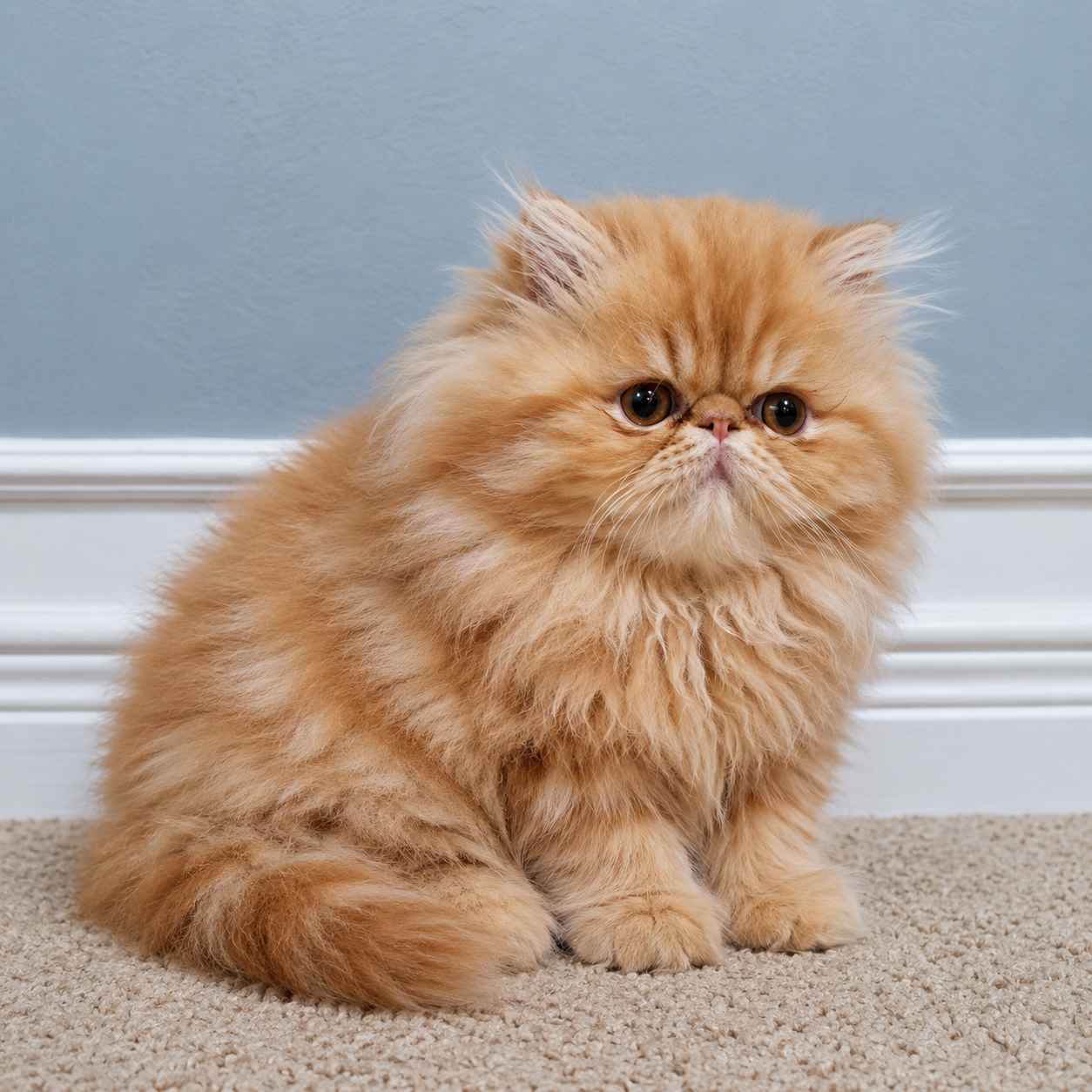
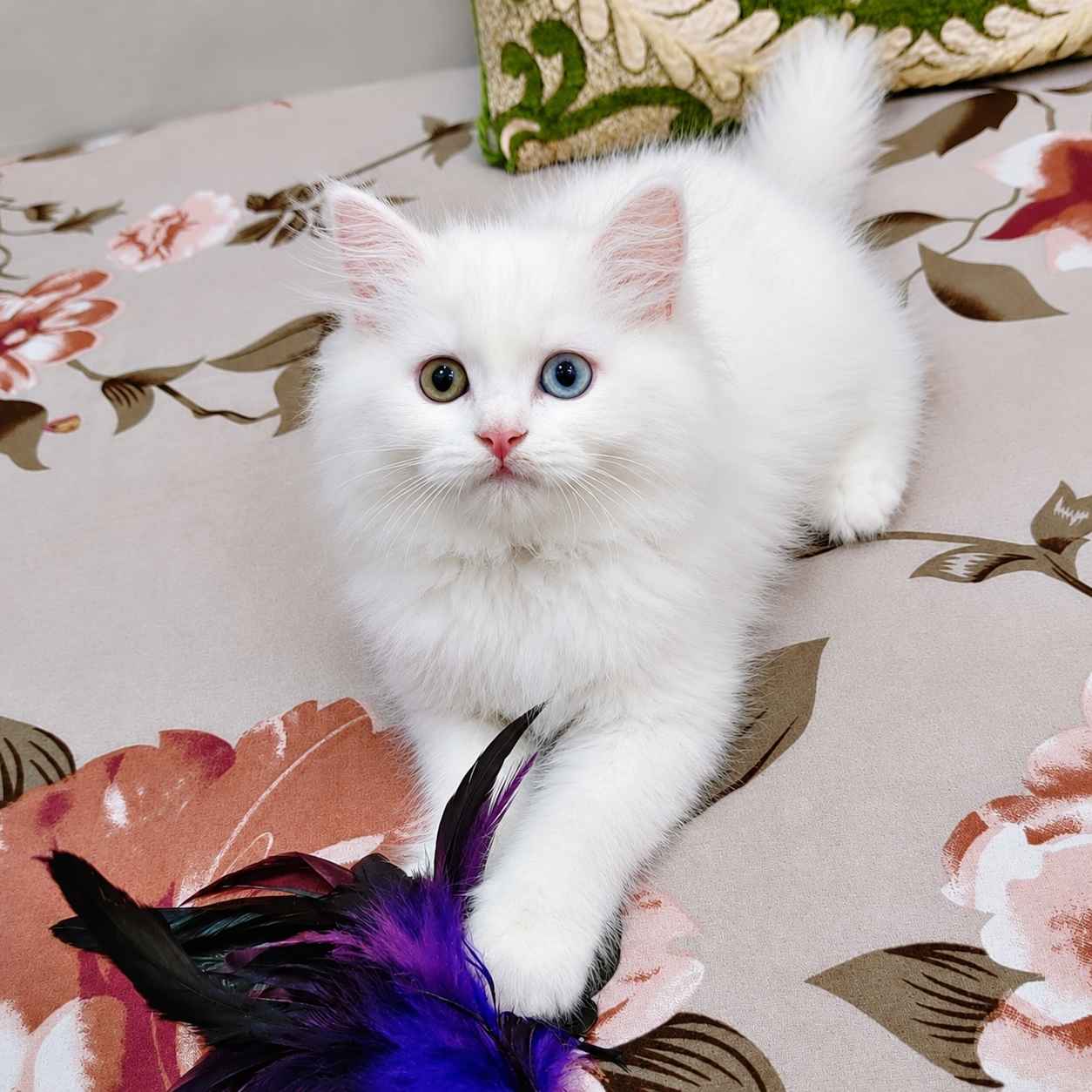
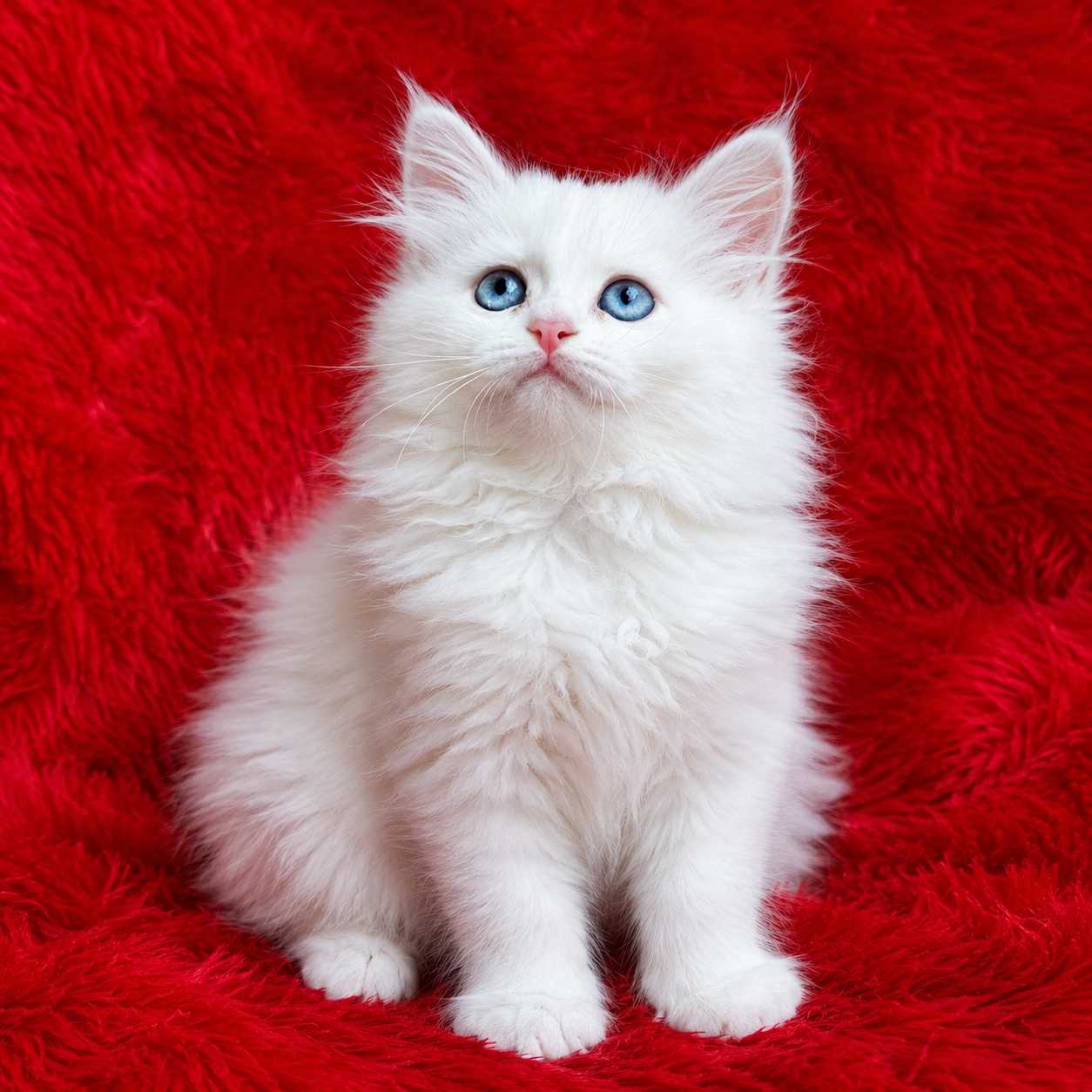
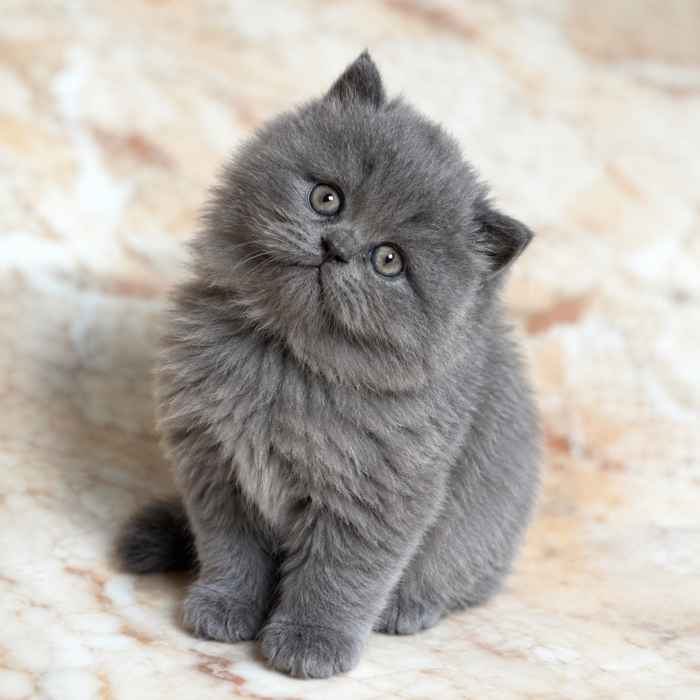
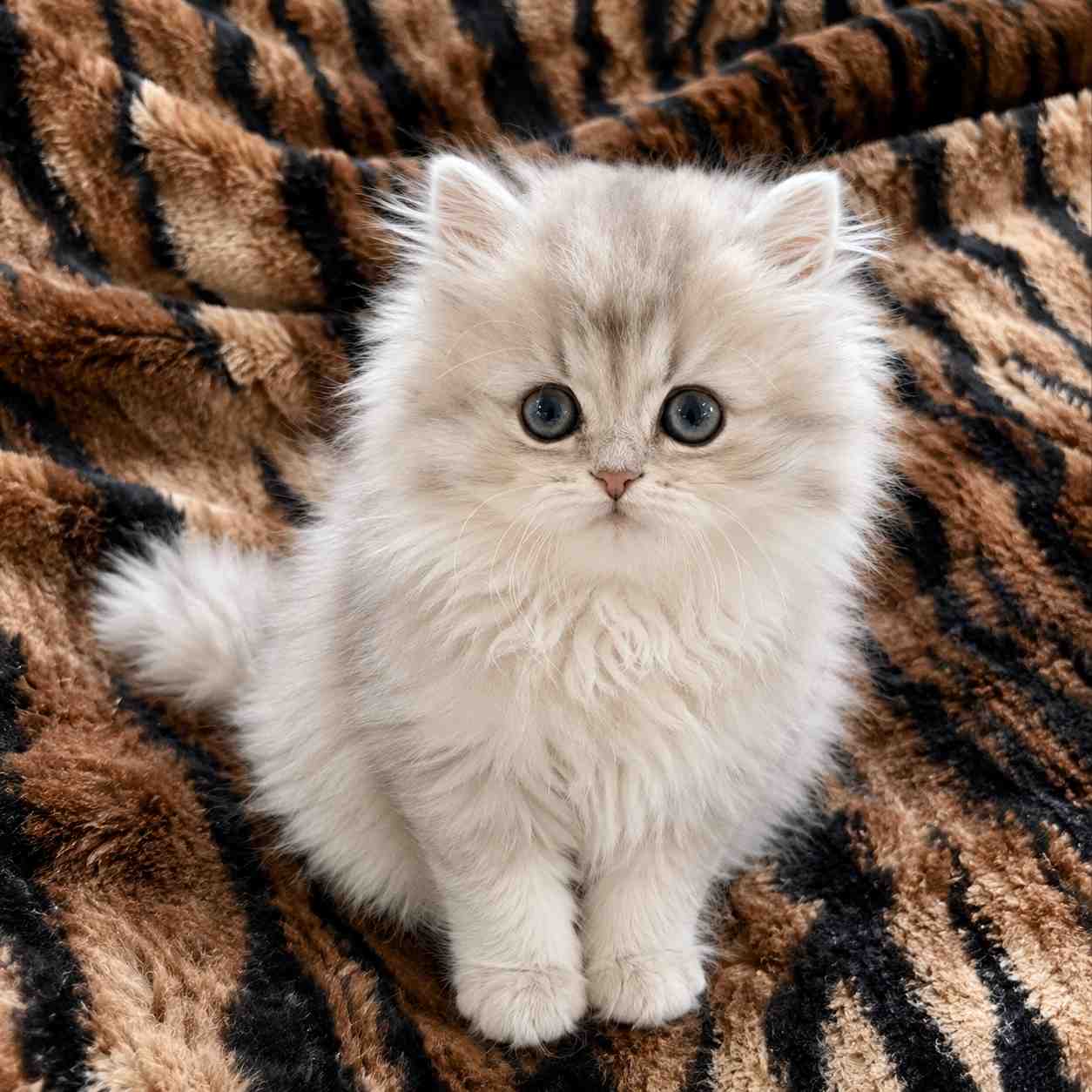
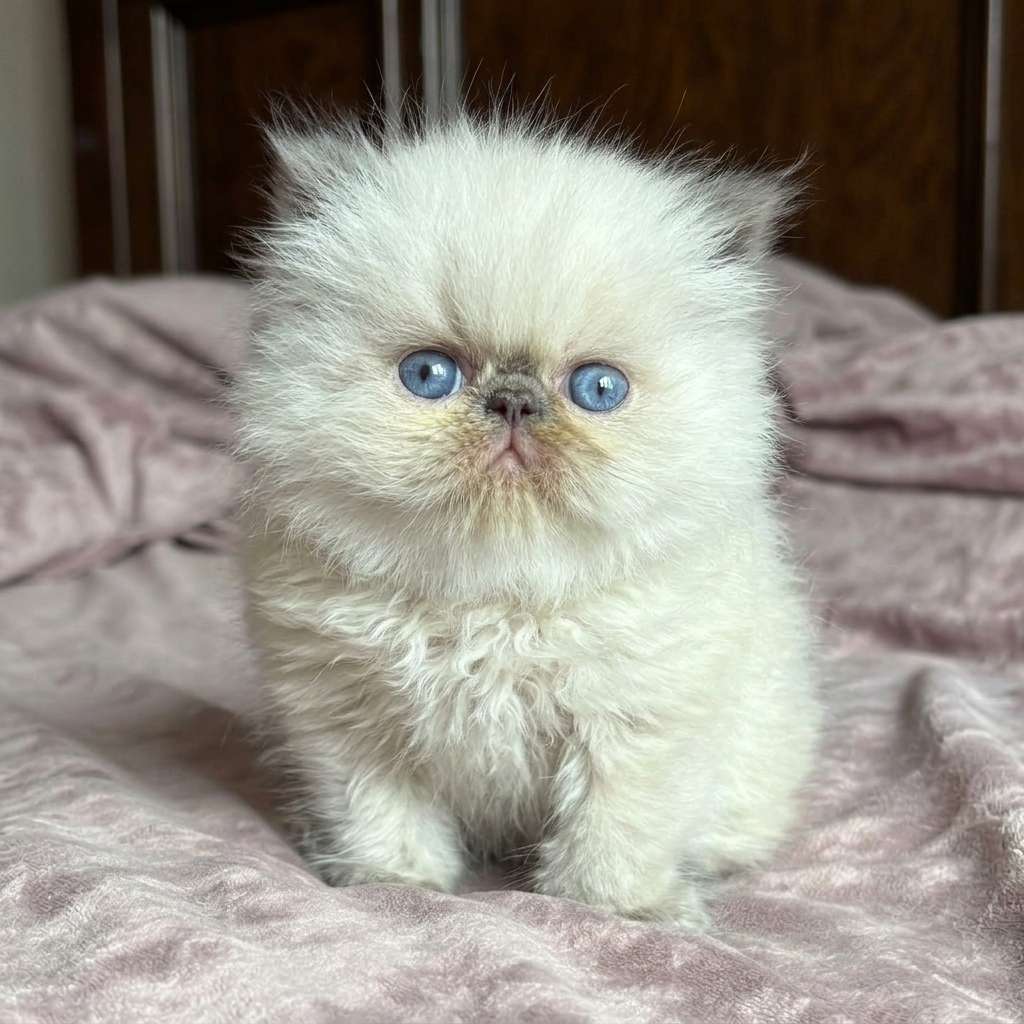
Persian Cat Face Types
Persian cats come in different face structures from doll face to extreme punch. Here are some of the common types you'll find.
Introduction to the Persian Cat
A Persian cat is a long-haired breed known for its round, flat face, thick double coat, and calm, gentle temperament. Native to Persia (modern-day Iran), it's one of the oldest and most recognisable cat breeds in the world, and today it's also one of the most loved companion cats across Indian homes.
In India, the Persian's popularity has grown sharply over the last decade, especially among city-dwelling, first-time pet owners. Part of the reason is simple: this breed doesn't need a garden or hours of daily activity to stay happy. It's content curling up on a sofa near you, which makes it a natural fit for apartment living in cities like Delhi, Mumbai, and Bangalore.
Known by Different Names Around the World
Depending on where you are, this breed goes by more than one name. In its native Iran, it's often called the Shirazi cat, named after the city of Shiraz. In early British cat fancy circles, before the "Persian" name became standard, it was simply referred to as the Longhair or English Longhair. In France, you'll sometimes hear it called Persan, while some older texts also use the term Angora loosely, even though the true Angora is a separate, distinct breed. Whatever the local name, the physical traits, the flat face, the round eyes, and that unmistakable coat stay the same.
What This Guide Covers
This page brings together everything a prospective Indian owner actually needs before bringing a Persian home, its origin and how it arrived in India, current price ranges, health issues to watch for, grooming and daily care, and how to tell a genuine, healthy kitten from one that isn't. Whether you're just curious about the breed or actively looking to buy, you'll find it here in one place.
Origin & History of the Persian Cat
Global Origin
The Persian cat's name gives away its origin, this breed traces back to Persia, present-day Iran, where long-haired cats were being kept and bred well before the modern breed took shape. The earliest documented arrival of these cats in Europe dates to the early 1600s. The Italian nobleman and traveller Pietro della Valle is widely credited with bringing long-haired cats from Persia to Italy around this period, helping introduce the breed to European cat keepers for the first time. Around the same time, a separate long-haired breed, the Turkish Angora, was also making its way into Europe from Ankara, and the two were often confused with each other in early historical records.
The breed's popularity took a major leap in Britain during the Victorian era. Persian cats were shown at some of the earliest organised cat shows in London in the 1870s, and Queen Victoria herself kept Persian cats later in the 19th century, which pushed the breed firmly into fashionable, upper-class households across Britain. Formal breed clubs followed soon after, cementing the Persian as a recognised, standardised breed rather than just an imported curiosity.
The round, flat-faced Persian we're most familiar with today, often called the "peke-face" or extreme type, is a much more recent development. It's the result of selective breeding that intensified through the mid-1900s, largely in the United States and United Kingdom, as breeders worked to shorten the muzzle and round out the face beyond what the original Persian cats naturally looked like.
Persian Cat in India When Did It Arrive?
Persian cats are believed to have entered India gradually, alongside the broader rise of pedigree pet ownership in the country's major cities. Organised breeding and imported pet culture picked up pace in urban India from the late 20th century onward, and Persians were among the breeds that found early favour with high-end pet lovers in cities like Delhi and Mumbai, where availability was limited and owning one was still seen as somewhat exclusive.
- In the earlier years, Persian cats were mostly limited to a small circle of breeders and enthusiasts, largely because of import costs and low local availability.
- Over the last 10 to 15 years, growing pet culture, social media, and a wider network of home breeders have made Persian kittens far more accessible across Delhi NCR, Mumbai, Bangalore, Pune, Hyderabad, and Chennai.
- Today, the Persian is one of the most preferred cat breeds in India, particularly among first-time owners, thanks largely to its calm, low-maintenance temperament.
At Royal Kitten, we've been part of this shift by working closely with home breeders who raise Persian kittens the right way, in family homes, not commercial setups, so the breed's gentle nature stays intact by the time a kitten reaches you. In fact, the Royal Kitten team has been helping new owners bring home healthy, well-adjusted Persian kittens since 2005, making us one of the more experienced names in this space in India.
Physical Characteristics of the Persian Cat
From its stocky build to its famous flat face, everything about a Persian cat's appearance is distinct. Here's a detailed breakdown of body type, coat colours, size, eyes, and the different face shapes you'll come across while choosing a kitten.
Appearance & Body Structure
Persian cats have what's called a "cobby" body type, short, thickset, and muscular, sitting close to the ground on short, sturdy legs. The head is round and broad, the face is flat (a trait vets refer to as brachycephalic), the nose is short, and the eyes are large, round, and set wide apart. The overall look is soft and doll-like, which is a big part of the breed's appeal.
Coat Types & Colours
The Persian's coat is long, dense, and silky, with a thick undercoat that gives it that signature fluffy volume. This breed comes in one of the widest colour and pattern ranges of any cat breed, here's the full spread you'll typically find:
Because this coat is so long and dense, it needs regular grooming, without it, mats form quickly, especially around the armpits, belly, and behind the ears.
Size & Weight
Eye Colour
Eye colour in Persians is closely tied to coat colour and can range from deep copper to bright blue, with some cats showing odd-eyed colouring (two different coloured eyes), most commonly seen in white Persians.
Persian Cat Face Types
Not all Persians have the same degree of facial flatness. Breeders generally classify Persian faces into five types, ranging from a more traditional, longer nose to the extreme flat-faced look. This matters beyond looks too, the flatter the face, the higher the chance of breathing and tear-duct issues.
Doll Face
Traditional look with a visible, proportionate nose. Closest to the original Persian, fewest health concerns.
Semi Doll Face
Slightly shorter nose than doll face, still clearly defined. A balanced, low-risk option.
Semi Punch Face
Noticeably flatter than semi doll face, nose sits closer to the eye line. Moderate care needed.
Punch Face
Flat, compact face with a very short nose. Higher chance of breathing and eye-tearing issues.
Extreme Punch Face
Nose almost level with the eyes. Most striking look, but carries the highest health risk of all types.
Personality & Temperament
Persian cats are known for their calm, gentle, and laid-back nature, one of the biggest reasons they've become such a popular choice for Indian households. They're not high-energy cats that need constant stimulation; a Persian is generally happiest curled up on a soft surface, watching the world go by rather than chasing it. This easy-going temperament is a big part of why the breed suits apartment and indoor living so well.
A Naturally Calm, Low-Energy Companion
Compared to more active breeds, Persians spend a large part of their day sleeping and resting, often 12 to 16 hours. When they are awake, play tends to be gentle and short, batting at a toy for a few minutes rather than sprinting across the house. This lower activity level means they don't demand hours of engagement, but it also means owners need to watch their diet and encourage some daily movement, since Persians can put on weight quickly if they're left completely inactive.
How They Behave Around Children
Persians generally get along well with children and tend to be patient and tolerant compared to more high-strung breeds. That said, they're not built for rough handling. Their flat face and stocky build make them less tolerant of being picked up carelessly or squeezed, so it's important to teach kids to approach them gently, let the cat come to them, and avoid loud, sudden movements. Once a Persian is comfortable with a child's routine, it usually settles into a calm, affectionate bond with them.
Getting Along With Other Pets
Most Persians adjust reasonably well to living with other cats or even calm, well-behaved dogs, provided the introduction is done slowly and correctly. Because they're not confrontational by nature, a Persian is more likely to retreat and observe from a distance than react aggressively when meeting a new pet. Giving them their own safe space in the first few weeks, and letting the relationship build gradually, usually leads to a peaceful multi-pet household.
Why This Breed Suits First-Time Owners
For someone bringing home their first cat, a Persian is often an easier starting point than more demanding, high-energy breeds. They don't need elaborate enrichment schedules, extensive outdoor access, or constant supervision to stay mentally satisfied. What they do need, in exchange, is consistency, a quiet, stable environment, and a genuine grooming commitment. The trade-off is fairly simple: less active engagement is needed day to day, but daily coat care isn't optional, it's part of what keeps a Persian both healthy and comfortable.
Signs of a Well-Adjusted Persian
A Persian that's been raised properly, handled gently, socialised early, and kept in a calm home environment, typically shows steady, predictable behaviour: comfortable being picked up, relaxed around visitors, and affectionate on its own terms without being clingy or anxious. If a Persian seems unusually fearful, hides constantly, or reacts aggressively to normal handling, it's often a sign of poor early socialisation rather than the breed's natural temperament, something worth asking about when choosing a kitten from a breeder.
Health & Common Health Issues
Persian cats are generally healthy when properly cared for, but their flat-faced (brachycephalic) build makes them more prone to a specific set of health issues. Knowing what to watch for helps you catch problems early and choose a kitten from parents who've been screened responsibly.
Health Issues to Watch For
Breathing Problems (Brachycephalic Airway Syndrome)
The flat face narrows the nostrils and airway, which can make breathing noisier and more laboured than in other breeds, especially in heat or after exercise. Extreme punch-face Persians are more affected than doll-face types.
Polycystic Kidney Disease (PKD)
PKD is a genetic condition seen in the wider Persian cat population worldwide, where fluid-filled cysts can gradually affect kidney function over the cat's life. It's a well-known, breed-wide consideration rather than something specific to any one breeder, and responsible breeding practices globally have worked to reduce its occurrence over the years. Regular vet check-ups help catch any kidney-related changes early, regardless of a cat's background.
Eye Discharge & Tearing
The flat face affects how tear ducts drain, leading to more watering and staining around the eyes than other breeds. Daily wiping with a soft, damp cloth helps prevent stains and irritation.
Dental Issues
The shortened jaw structure can cause crowding or misalignment of teeth, which sometimes leads to plaque buildup and gum issues if not monitored during regular vet visits.
Coat Matting & Skin Issues
Without regular brushing, the long, dense coat mats quickly, especially near the armpits, belly, and behind the ears. Matted fur traps moisture and dirt, raising the risk of skin infections.
Heat Sensitivity
The combination of a thick coat and a narrower airway makes Persians more prone to overheating, particularly relevant in India's summer months. Cool, shaded, well-ventilated spaces matter more for this breed than most.
General Vaccination Guide
Every kitten's exact schedule can vary slightly, but most vets in India follow a similar general timeline for core vaccinations. Use this as a rough guide, not a replacement for your vet's advice.
Routine Vet Care
Beyond vaccinations, a Persian benefits from a check-up at least once or twice a year, with particular attention to breathing and kidney health given the breed's known risk areas. Catching issues like early kidney changes or airway narrowing sooner rather than later makes a real difference to long-term comfort and lifespan.
Grooming & Care Guide
A Persian cat's biggest care requirement, by far, is its coat. Get grooming, diet, and daily routines right, and most other health concerns become far easier to manage. Here's what a proper care routine actually looks like.
Coat Care
The Persian's coat needs more maintenance than almost any other breed. Daily brushing isn't optional, skip it for even a few days and the coat starts matting, especially around the armpits, belly, and behind the ears where friction is highest. Use a wide-tooth comb followed by a soft slicker brush, and work through the coat in sections rather than rushing over the top layer. Mats that are left too long often need to be trimmed out rather than brushed, so staying consistent is far easier than fixing a badly matted coat later.
Bathing
Persians need a bath roughly every 3 to 4 weeks, more frequent than most cats, to keep the coat clean and tangle-free. Always use a cat-specific shampoo, human shampoo disrupts a cat's skin pH. Brush out the coat before bathing, not after, since wet mats tighten and become harder to remove.
Eye & Face Cleaning
Wipe the area around the eyes daily with a soft, damp cloth to prevent tear stains from setting into the coat. This is a small daily habit, but skipping it for even a week is usually when staining becomes visible and harder to remove.
Diet & Nutrition
- Kitten stage (0–12 months): High-protein, kitten-specific food, fed in 3–4 small meals a day.
- Adult (1+ years): Balanced adult cat food, twice a day. Portion control matters here, Persians are prone to weight gain because of their naturally low activity levels.
- Hairball control: Hairball-control food or supplements are worth adding given how much fur a Persian ingests while grooming itself.
Litter Training
Persians are generally easy to litter train and tend to pick it up quickly. What matters more long-term is keeping the litter box consistently clean, this breed has a strong preference for cleanliness, and a dirty box is one of the more common reasons a well-trained Persian starts avoiding it.
Exercise Needs
Exercise needs are low to moderate. A few short play sessions a day with interactive toys, a wand toy or a ball, are usually enough to keep a Persian mentally engaged. This isn't a breed that needs long, high-energy play sessions like more athletic breeds do, but some daily movement still helps manage weight and keep joints active.
Bringing a Persian kitten home soon? Follow our detailed post-delivery care guide to get the first few weeks right.
Read the Kitten Care Guide →Cost of Ownership (Beyond Purchase Price)
The purchase price of a Persian kitten is just the starting point. What actually shapes the long-term cost of owning one is the recurring expense that continues for the next 12 to 15 years, food, grooming, vet care, and everyday supplies. Understanding this upfront helps you plan realistically instead of being caught off guard a few months in. For a detailed breakdown of current kitten prices and what drives them, see our Persian cat price and Monthly cost guide.
What Ongoing Ownership Actually Includes
- Food: Persians do best on good-quality, breed-appropriate food, and this tends to be a recurring monthly expense rather than a one-time cost. Diet also shifts as the kitten grows into an adult, so budgeting stays relevant well beyond the first year.
- Grooming: While daily brushing at home covers most needs, some owners also opt for occasional professional grooming, especially before shows or during shedding-heavy seasons.
- Vet care & vaccination: Annual vaccinations, deworming, and at least one or two routine health check-ups a year are essential, particularly given the breed's known risk areas around breathing and kidney health.
- Litter & daily supplies: Litter, scratching posts, brushes, and grooming tools are small individually but add up as a steady monthly cost.
- Emergency fund: It's worth keeping a small reserve set aside for unplanned vet visits, since health issues don't always arrive on a predictable schedule.
None of these costs are fixed, they vary based on the city you're in, the quality of food and care you choose, and the kitten's individual health needs. What matters most is going in with a realistic picture of what ownership involves, rather than only accounting for the day-one purchase price.
Myths vs Facts About Persian Cats
Persian cats come with a lot of assumptions attached, some outdated, some just plain wrong. Here's what's actually true, and why these myths exist in the first place.
Persian Cat vs Himalayan Cat
The Himalayan is often mistaken for a Persian, and it's easy to see why, the body shape and face are nearly identical. But the two are genetically distinct, and knowing the difference helps you pick the right one for what you actually want.
| Feature | Persian | Himalayan |
|---|---|---|
| Origin | Persia (modern-day Iran), one of the oldest recognised cat breeds | Developed in the USA and UK in the mid-1900s by crossing Persians with Siamese cats |
| Coat Pattern | Solid colours, tabby, bi-colour, shaded, and mixed patterns across a wide range | Colour-point pattern only, darker colour concentrated on the face, ears, paws, and tail, like a Siamese |
| Eye Colour | Varies by coat colour, blue, green, copper, gold, or odd-eyed | Almost always deep blue, a trait inherited directly from the Siamese side |
| Body Type | Cobby build with a round, flat face; face type ranges from doll face to extreme punch face | Same cobby body and flat, Persian-like face, but always paired with the colour-point coat |
| Price in India | Varies by coat type, face type, and lineage, see our Persian cat price guide for current ranges | Generally priced similar to or slightly higher than a standard Persian, largely due to lower availability |
Persian Cat Breed Standards
Globally, the Persian is a formally recognised breed with defined physical standards. Major cat registries, including the Cat Fanciers' Association (CFA), The International Cat Association (TICA), FIFe, and the GCCF, each maintain their own breed standard for the Persian. These standards cover things like body type, coat length, and acceptable face structure, and they vary slightly from one organisation to another, which is part of why you'll see some difference of opinion on what an "ideal" Persian should look like.
Can You Register a Persian Cat in India?
Yes, if you'd like your Persian formally registered, this is something you can do as an owner in India. Several cat clubs and associations, including India-based cat fancier groups affiliated with international bodies, allow owners to register their cats and take part in cat shows or events. Registration typically involves submitting details about the cat's lineage, colour, and physical traits, along with photographs, and can be a good option if you're interested in showing your cat or simply want official documentation of its pedigree.
What We Provide With Every Kitten
Along with your kitten, we provide proper health documentation, records of the vet check-up, vaccination status, and deworming, so you have a clear picture of the health steps already completed before the kitten comes home. If you decide to pursue formal registration afterward, this health documentation is a useful starting point to have on hand.
Want to know exactly how we verify a kitten's health before it's cleared for delivery? See our 3-step kitten verification process.
Kitten Development Stages (Week by Week)
Understanding how a kitten grows week by week helps you know what to expect, and why the age at which you bring one home actually matters. Here's how a Persian kitten typically develops from birth to adulthood.
Ideal age to bring home a kitten:
Generally 8–12 weeks is recommended, by this point a kitten is properly weaned, litter trained, and socialised enough to adjust smoothly to a new home.
Seasonal Care for Persian Cats in India
India's weather swings between extremes, and a Persian's thick coat reacts differently to each season. Here's how to adjust care through the year to keep your cat comfortable and healthy.
- Keep your Persian in a cool, shaded room with a fan or AC, its thick coat makes it far more heat-sensitive than short-haired breeds.
- Keep fresh water available at all times and keep an eye on hydration levels.
- Increase grooming frequency, mats trap heat and moisture, leading to skin irritation faster in summer.
- Watch for heatstroke signs, heavy panting, lethargy, or unusual weakness, and contact a vet immediately if these appear.
- Humidity raises the risk of fungal and skin infections in the coat, keeping it properly dried after any dampness is essential.
- Clean the litter box more frequently, humid conditions speed up bacteria growth.
- Keep your cat away from damp corners or areas prone to moisture buildup around the home.
- Persians generally handle winter well thanks to their thick, insulating coat.
- Owners in colder, northern parts of India should still provide warm bedding at night for added comfort.
Adoption vs Buying: What to Consider
Both routes can lead to a great cat, the right choice depends on what matters most to you, predictability of traits, cost, or giving a cat in need a home.
Buying a Home-Bred Kitten
- A kitten like ours, raised in a real family home rather than a commercial cattery, grows up around people, everyday noise, and normal routines, so it settles into your home more easily.
- Comes with proper health documentation, including vet check-ups, vaccination records, and deworming, so you know exactly what's been done before the kitten reaches you.
- The better route if you have a specific coat colour, pattern, or face type in mind, since you can see the kitten and often the parents beforehand.
- Home-raised kittens are typically already comfortable with handling, basic litter training, and early socialisation by the time they're ready to come home.
Adoption
- Purebred or mixed Persian cats do turn up in shelters and rescues from time to time.
- Generally costs less than buying a kitten.
- Gives a cat that needs a home a second chance, often an adult cat rather than a young kitten.
- Background details like exact age, lineage, or early health history may be limited or unknown.
Not sure where to start? Our complete guide to buying a kitten in India walks you through the entire process step by step.
Famous Persian Cats & Cultural Significance
Few breeds carry the same cultural weight as the Persian. Its association with elegance and status goes back centuries and continues right into modern pop culture and social media.
Choupette and Modern Fame
The most well-known Persian cat in recent memory is Choupette, the pet of fashion designer Karl Lagerfeld. She became a social media sensation in her own right, appeared in fashion campaigns, and turned into something of an icon in the fashion world, helping bring renewed attention to the breed among a whole new generation of pet lovers.
A Long History With Royalty
The Persian's "luxury pet" image isn't new. It dates back to Queen Victoria's era in 19th-century Britain, when owning one was closely tied to aristocracy and high society. That association has carried through to today, where the breed is still often seen as a mark of refined taste among modern celebrities and pet owners alike.
In Cartoons and Pop Culture
Fluffy, flat-faced cats resembling Persians show up frequently in cartoons and films, almost always cast as pampered, high-status, or royal characters. This recurring portrayal has only reinforced the breed's image as a refined, sought-after companion rather than just another house cat.
Persian Cat Variants & Types
The Persian breed covers more variation than most people realise, and it's easy to get the different types confused. Face structure (Doll Face, Semi Doll, Semi Punch, Punch, and Extreme Punch) is covered in detail in our Physical Characteristics section above, and the Himalayan, a colour-point Persian variant, is explained separately in our Persian vs Himalayan comparison. Here are the other variants worth knowing about.
Teacup / Mini Persian
This is a marketing term, not an official breed standard recognised by any major cat registry. "Teacup" or "mini" Persians are simply smaller-sized cats produced through selective breeding for reduced size. It's worth being cautious here, breeding specifically for smaller size can increase the risk of health complications, so this is a category to approach with clear eyes rather than as a novelty.
Chinchilla Persian
A striking coat variant with a silver or golden shaded coat that gives it a distinct, almost sparkling appearance. The tipping on each hair shaft is what creates this shimmering effect, and it's one of the most visually distinctive Persian coat types.
Genetics & Breeding Considerations
Persian coat colour genetics are fairly complex, with a combination of dominant and recessive genes determining the final coat colour and pattern, which is part of why the breed shows such a wide range of colours and patterns, as covered earlier in this guide.
On the health side, PKD (Polycystic Kidney Disease), already discussed in our Health & Common Health Issues section, is an inherited condition, which is why responsible breeding programs generally place importance on screening breeding cats for it. Avoiding inbreeding is another key consideration, close breeding within family lines tends to increase the severity of inherited health issues, including breathing and kidney problems. Ethical breeding practices also tend to steer away from selecting for the most extreme flat-faced structure, since a slightly less extreme face generally means fewer breathing-related complications and a better quality of life for the cat.
Conclusion
The Persian cat has earned its place as one of India's most loved breeds, thanks to its calm nature, luxurious coat, and unmistakably royal look. Whether you're a first-time owner or already experienced with cats, it's worth understanding the grooming commitment, health considerations, and India-specific seasonal care this breed needs before bringing one home. If you're ready to take the next step, choosing a kitten that's been raised in a real home, properly health-checked, and genuinely socialised makes all the difference in how smoothly it settles into your family.
Explore Other Popular Cat Breeds
Looking for a cat breed other than Persian? Explore our detailed breed guides to compare different cats, their characteristics, care requirements, and prices. Choose the breed that best matches your lifestyle and family.
Frequently Asked Questions
The most common questions people search before buying or learning about a Persian cat, answered directly.