Ragdoll Cat in India: Origin, History, Price, Care & Buying Guide
Ragdoll ghar laane se pehle jaan lijiye iska origin, ye kyun famous hai apne "floppy" aur relaxed nature ke liye, India me price kitna padega, aur care tips kya follow karni chahiye.
What Does a Ragdoll Kitten Look Like?
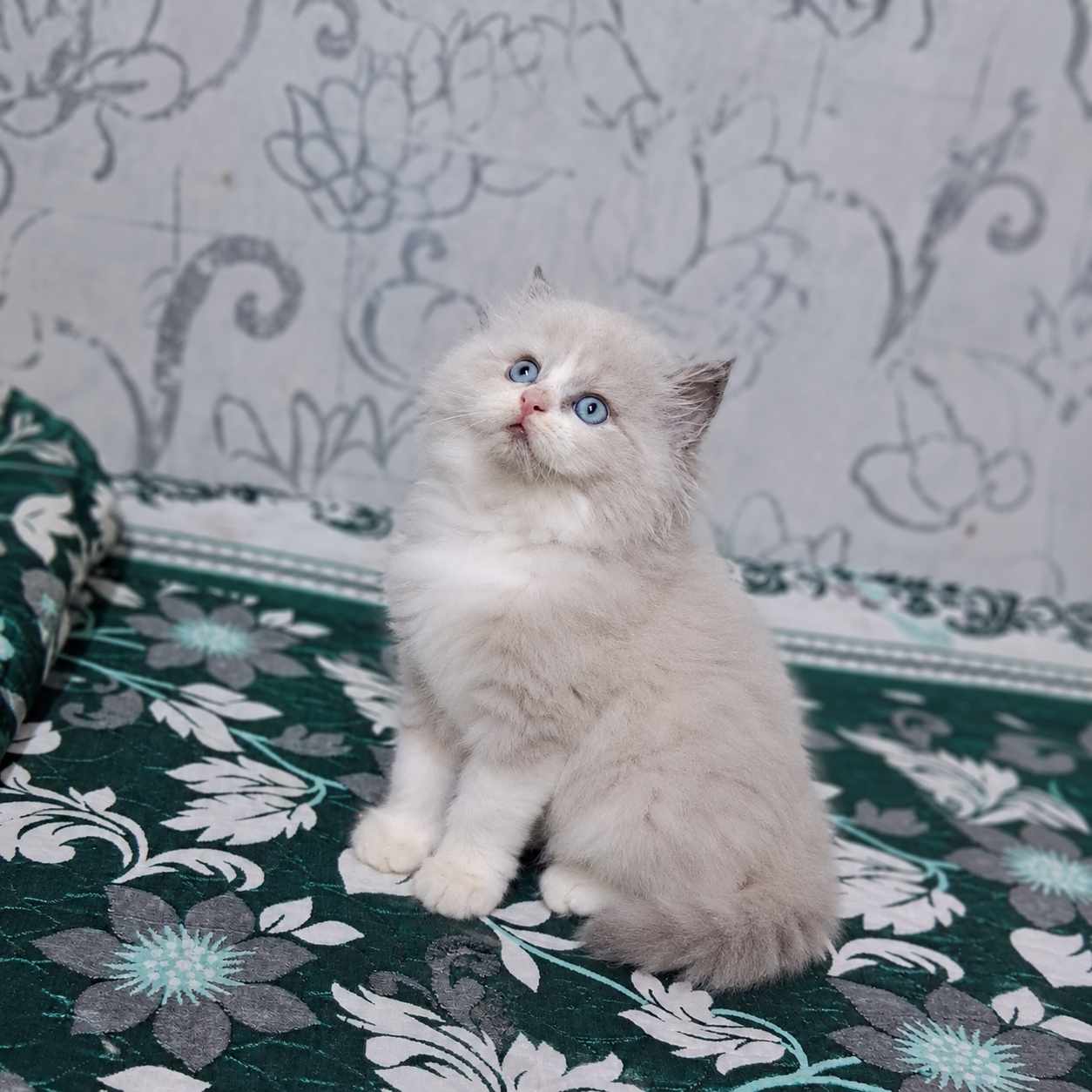
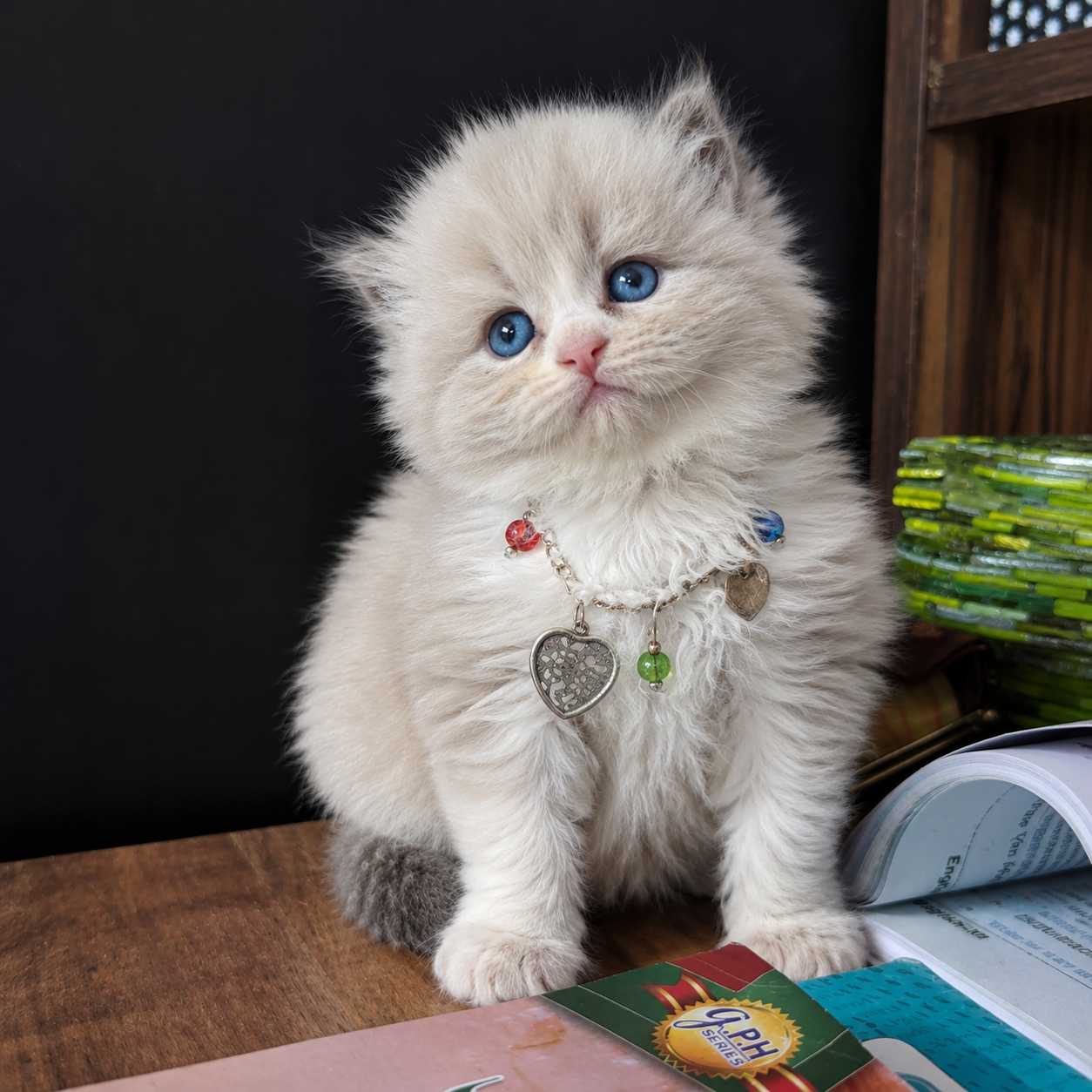
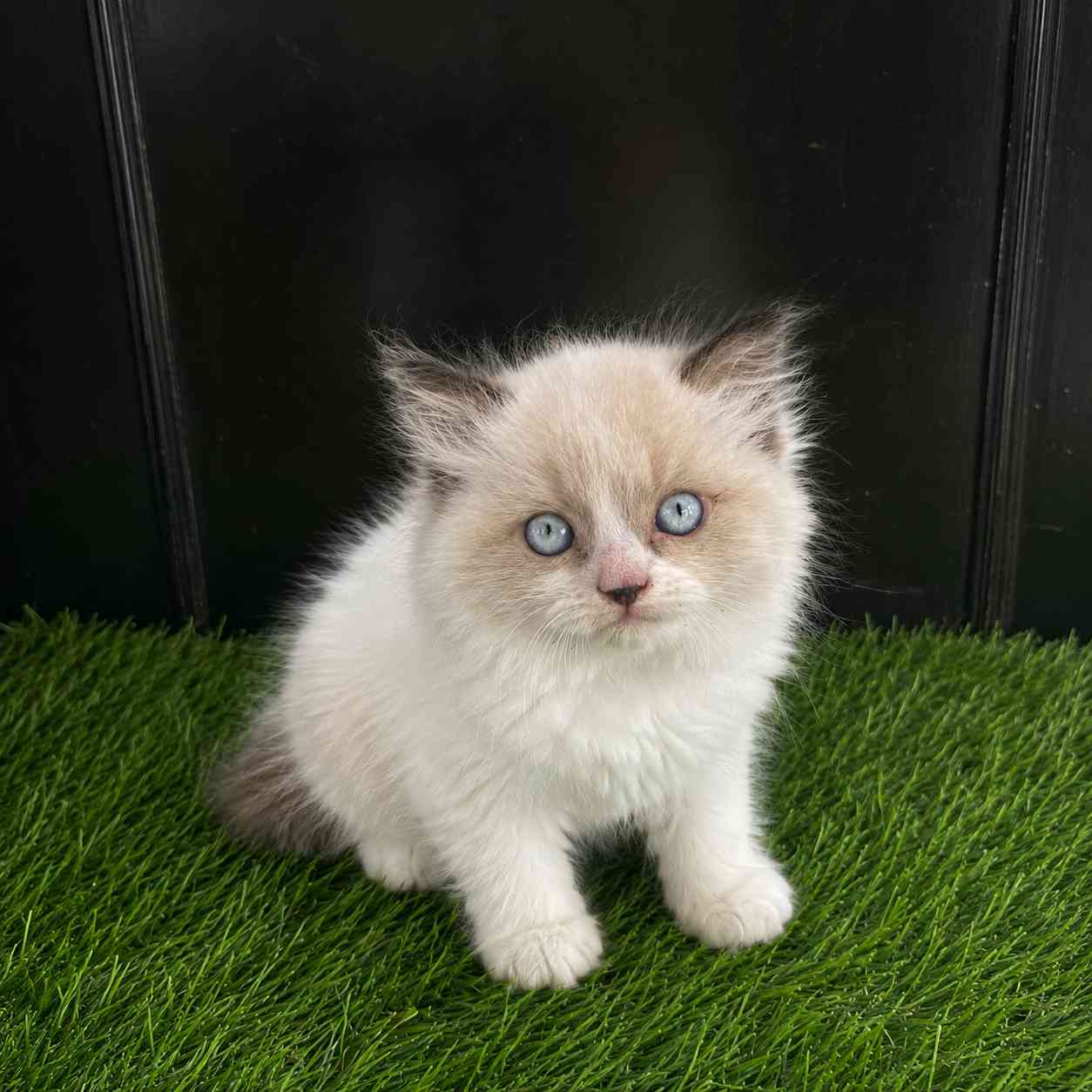
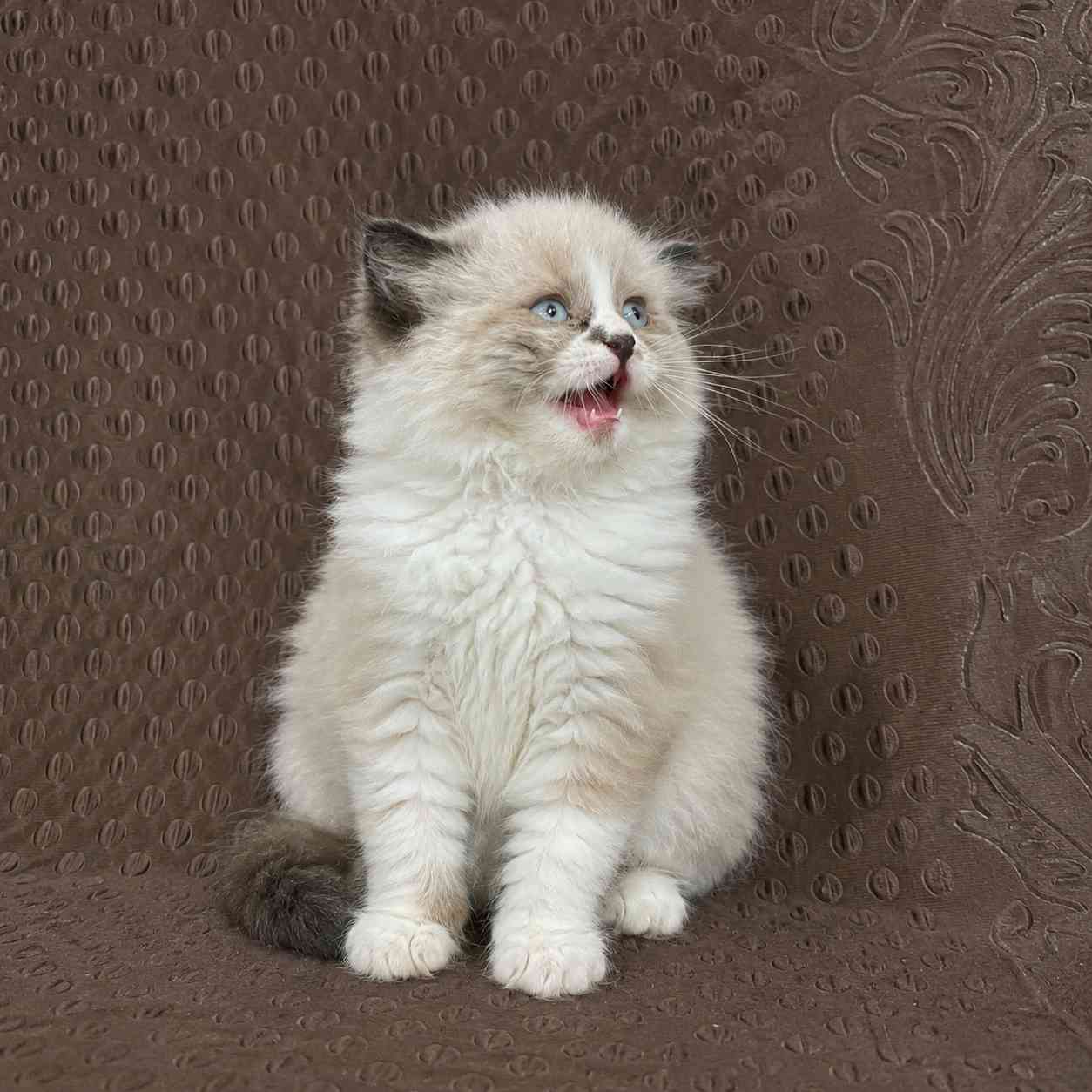
Ragdoll kittens are known for their soft, semi-long coats and striking blue eyes. Here's a look at some of our Ragdoll kittens.
What Is a Ragdoll Cat and Why Is Everyone Talking About It?
If you've been scrolling through pet pages lately, you've probably come across a big, blue-eyed cat that looks almost too calm to be real, that's usually a Ragdoll. This breed gets its name from the way it goes limp and relaxed the moment you pick it up, much like a soft toy. It's a semi-long-haired cat with a sturdy build, striking blue eyes, and a coat pattern that resembles the Siamese, but the personality is where it really stands out.
Ragdolls have quietly become one of the most searched cat breeds among Indian pet owners in the last few years, and it's not hard to see why. They're affectionate almost to a fault, they don't demand constant attention like some breeds do, and they tend to follow their owners around the house rather than hide under the bed. For someone living in a flat in Delhi, Pune, or Hyderabad who wants a cat that actually behaves like a companion rather than a distant housemate, a Ragdoll fits that picture well.
Where Does the Ragdoll Name Actually Come From?
The story behind the name isn't folklore, it comes directly from the breed's founder, Ann Baker, who developed the Ragdoll in California during the 1960s. She noticed that her cats would go completely floppy and relaxed when held, unlike most cats that tense up or try to wriggle free. That single trait became the breed's defining feature and its name. Outside America, you'll occasionally see the breed referred to simply as the "floppy cat" or "puppy cat," a nod to how dog-like their loyalty and laid-back nature can be.
Is a Ragdoll the Same as a Ragamuffin or a Birman?
This is a common point of confusion, so it's worth clearing up early. The Ragamuffin was actually developed from Ragdoll bloodlines but was later recognised as a separate breed with a wider range of coat colours and a slightly different body type. The Birman, on the other hand, is unrelated in origin despite looking somewhat similar, with its pointed coat and blue eyes, but the Birman has white "gloves" on all four paws and a different body structure altogether. If you're buying a kitten and the breeder mentions any of these names interchangeably, it's worth asking for clarity, since pricing and lineage documentation can differ.
What You'll Find in This Guide
Ahead, we've covered everything an Indian buyer typically wants to know before getting a Ragdoll home, how the breed adapted to Indian climate and living conditions, realistic price ranges you'll come across in the market, common health concerns specific to this breed, grooming routines that actually work for their coat type, and the red flags that separate a genuine, well-bred kitten from one sold without proper care or documentation.
Where Did the Ragdoll Cat Come From and How Old Is the Breed?
How the Ragdoll Breed Actually Started
Unlike most cat breeds that developed over centuries, the Ragdoll has a fairly recent and well-documented origin. It began in Riverside, California, in the early 1960s, through the work of a breeder named Ann Baker. The story traces back to a free-roaming white Persian-Angora type cat named Josephine, who belonged to Baker's neighbour. After Josephine was reportedly injured in an accident, her later litters produced kittens with an unusually calm temperament and a tendency to relax completely when picked up, this trait became the foundation of the entire Ragdoll breed.
Ann Baker went on to selectively breed Josephine's kittens along with a few other cats to lock in the docile nature, large size, and pointed coat pattern we now associate with Ragdolls. She trademarked the name "Ragdoll" and, for a period, tightly controlled who could breed and sell cats under that name, which is actually a fairly unusual chapter in cat breeding history compared to how most breeds evolved organically.
By the 1970s and 80s, other breeders had split off to develop the line independently, which eventually led to major cat associations like CFA (Cat Fanciers' Association) formally recognising the Ragdoll as a distinct breed. Today, the breed is recognised worldwide and consistently ranks among the most popular pedigree cats in countries like the US and UK, alongside its growing fanbase in India.
When Did Ragdoll Cats Reach India?
Ragdolls arrived in India much later than breeds like Persian or Siamese, largely because the breed itself is younger globally and imports of specialty cats picked up only after India's pet market matured. For years, anyone wanting a genuine Ragdoll had to source one through international breeders or specialised importers, which kept prices high and availability extremely limited to a handful of metro cities.
- Early Ragdoll owners in India were mostly concentrated in Delhi NCR, Mumbai, and Bangalore, where demand for rare, imported breeds was already established.
- As Indian breeders started importing quality bloodlines and raising litters locally, prices gradually became more reasonable, and the breed started reaching Tier-2 cities as well.
- In the past few years, Ragdolls have seen a sharp rise in search interest across India, driven largely by their calm nature and their popularity on social media, where their striking blue eyes and relaxed personality make them instantly recognisable.
At Royal Kitten, we work directly with verified home breeders who maintain proper lineage records and raise Ragdoll kittens in genuine family environments rather than mass-breeding setups, which matters a lot for a breed whose entire reputation rests on temperament. Since 2005, our team has helped Indian families source pedigree kittens the right way, and Ragdoll has become one of the breeds we get asked about the most in recent years.
What Does a Ragdoll Cat Look Like? Full Physical Breakdown
From its large, rectangular body to those unmistakable blue eyes, the Ragdoll's appearance is one of the easiest to spot among long-haired breeds. Here's a detailed look at body type, coat patterns, size, eye colour, and the pattern classifications you'll come across while picking a kitten.
Appearance & Body Structure
Ragdolls have what's called a "semi-cobby to rectangular" body type, long, broad, and heavily muscled, but carried low with a fairly relaxed posture rather than a compact, stocky look. The head is a modified wedge shape with rounded contours, medium-to-large ears set well apart, and a moderately short nose with a gentle break, nowhere near as flat as a Persian's. The overall silhouette is soft and substantial at once, a large cat that still manages to look plush rather than bulky.
Coat Type & Colours
The Ragdoll's coat is medium-to-long, silky, and famously low on matting compared to other long-haired breeds, since it lacks a thick woolly undercoat. That silkier texture is part of why grooming a Ragdoll tends to be easier than grooming a Persian. Colours are always built on a colour-point base, meaning the body is lighter and the face, ears, legs, and tail carry darker shading:
Beyond colour, Ragdolls are also classified by pattern, which decides how much white appears on the coat and where. This is one of the first things breeders and buyers look at, so it's worth understanding on its own.
Size & Weight
One thing worth keeping in mind if you're buying a Ragdoll kitten, don't judge the final size from how it looks at 3 or 4 months old. Because this breed matures so slowly, a Ragdoll kitten that looks average-sized at six months can still pack on another kilo or two well into its third year. Breeders sometimes see buyers assume a kitten is "small for its breed" simply because they're comparing it to a fast-maturing breed, which isn't a fair comparison here.
Eye Colour
Every purebred Ragdoll has striking blue eyes, this is actually a breed standard, not a coincidence. Unlike Persians, where eye colour varies by coat, a Ragdoll without blue eyes is considered outside the breed standard entirely, so it's a useful way to check authenticity when buying a kitten.
Ragdoll Coat Pattern Types
While Persians are classified by face shape, Ragdolls are classified by coat pattern, specifically, how the white markings are distributed across the body. There are three recognised patterns, and each gives the cat a noticeably different look despite sharing the same base colours.
Colourpoint
No white at all. Solid point colour on the face, ears, legs, and tail with a lighter body, the most traditional Ragdoll look.
Mitted
White "mittens" on the front paws and white boots on the back legs, often with a white chin and belly stripe.
Bicolor
The most white of the three, an inverted white "V" on the face, white legs, and a white underside, giving a striking contrast look.
A small but handy detail most first-time owners don't know beforehand: kittens are born almost completely white and only start developing their point colour over the first few weeks, with the full pattern usually not settling until around two years of age. So if a breeder shows you an eight-week-old kitten with barely-there points, that's completely normal, not a sign of a weak or "off" litter.
What Is a Ragdoll Cat's Personality Really Like?
If there's one word that comes up again and again with this breed, it's "dog-like." Ragdolls are known for following their owners from room to room, greeting them at the door, and preferring to be wherever the people in the house are, rather than off on their own somewhere. This isn't a myth built up online, it's a genuinely consistent trait across the breed, and it's the single biggest reason owners fall for them.
The Famous "Floppy" Trait, and Why It Matters
The breed's name comes from its tendency to go completely limp when picked up, muscles relaxed, body loose, almost like holding a soft toy. This isn't just a cute party trick, it's actually a useful indicator of trust and comfort. A Ragdoll that stays tense or rigid when held usually hasn't been handled enough as a kitten, while one that flops naturally has typically had a calm, well-socialised upbringing. It's one of the first things worth checking when you go to meet a litter in person.
How They Behave Around Children
Ragdolls tend to be exceptionally patient with kids, more so than most breeds, largely because of their naturally low reactivity and tolerance for handling. That said, their easy-going nature can work against them if it's mistaken for indestructibility, they're big, docile cats, but their joints and spine still need to be treated gently. Teaching children to support the cat properly when picking it up, rather than letting it dangle, goes a long way with this breed specifically, since Ragdolls rarely resist even when handling is genuinely uncomfortable for them.
Getting Along With Other Pets
This is one area where Ragdolls tend to outperform many other breeds. Their non-confrontational, easy-going temperament makes them unusually adaptable around dogs, other cats, and even a busy multi-pet household. Rather than hiding or getting defensive, a Ragdoll is more likely to calmly observe a new animal and warm up to them within days rather than weeks. Slow, supervised introductions still matter, but this breed generally makes the process easier than most.
Why Ragdolls Suit First-Time and Working Owners
For someone with a busy schedule or their first cat, a Ragdoll is a genuinely forgiving choice. They don't demand constant interaction to stay content, and unlike more independent breeds, they're also not prone to destructive or attention-seeking behaviour when left alone for a few hours. The trade-off is emotional rather than logistical, this breed genuinely bonds with its people and can become mildly withdrawn if left isolated for long stretches regularly, so it suits a household where someone is around most days, even if not every hour.
A Quieter Side Most People Don't Expect
One thing that surprises a lot of new owners: Ragdolls are unusually quiet cats. They rarely meow demandingly the way some breeds do, and when they do vocalise, it's typically a soft, almost hushed sound rather than a loud call. Combined with their calm temperament, this makes them a comfortable fit for smaller apartments or homes where a vocal, attention-seeking cat simply wouldn't work.
Signs of a Well-Adjusted Ragdoll
A properly socialised Ragdoll is typically relaxed around strangers, comfortable being picked up and carried, and affectionate without being anxious or clingy. If a Ragdoll seems unusually skittish, avoids being touched, or tenses up consistently when handled, it's usually a sign of limited early socialisation rather than anything unusual about the individual cat, and it's a fair question to raise with the breeder before bringing a kitten home.
Are Ragdoll Cats Healthy? Common Issues Every Owner Should Know
Ragdolls are generally a sturdy, resilient breed compared to many other pedigree cats, they don't carry the extreme facial structure issues that flat-faced breeds deal with. That said, there are a handful of breed-linked health points worth knowing, mostly manageable with regular vet care and a kitten sourced from a responsibly screened litter.
Health Points to Keep an Eye On
Heart Health (HCM Screening)
Like several large pedigree breeds, Ragdolls can be genetically linked to a heart condition called hypertrophic cardiomyopathy. This is a well-documented, breed-wide consideration rather than something unique to any single bloodline, and reputable breeders routinely screen parent cats for it before breeding. Regular vet check-ups, including a listen to the heart at annual visits, are the simplest way to stay ahead of it.
Weight Gain
Because Ragdolls are naturally low-energy and food-motivated, they can put on weight more easily than more active breeds, especially if free-fed rather than given measured meals. Keeping an eye on portion sizes and encouraging a bit of daily play goes a long way here.
Urinary & Bladder Health
Like many large-bodied cats, Ragdolls can be somewhat prone to urinary crystals or bladder discomfort if hydration is low. Ensuring constant access to fresh water, and considering wet food alongside dry, helps keep the urinary system healthy.
Coat Care & Skin Health
While the Ragdoll's coat mats less than a Persian's, it still needs regular brushing, particularly around the neck ruff, behind the legs, and the tail. Skipped grooming sessions can lead to small mats that pull on the skin and cause irritation over time.
Joint & Bone Health in Large Frames
Given how large and heavy-boned adult Ragdolls get, some can be a little more prone to joint strain later in life compared to smaller breeds. Keeping an adult Ragdoll at a healthy weight is one of the most effective ways to protect their joints long term.
Dental Health
Ragdolls don't have the jaw-crowding issues seen in flat-faced breeds, but like most cats, they can still develop plaque and gum sensitivity over time if dental care is skipped. Regular brushing or dental treats, along with a yearly vet dental check, keeps this in check.
General Vaccination Guide
Every kitten's exact schedule can vary slightly, but most vets in India follow a similar general timeline for core vaccinations. Use this as a rough guide, not a replacement for your vet's advice.
Routine Vet Care
Beyond vaccinations, a Ragdoll benefits from a check-up at least once or twice a year, with particular attention to heart health and healthy weight given the breed's known tendencies. Since Ragdolls take a few years to reach full size, it's also worth asking your vet to track growth and weight at each visit rather than judging it against smaller, faster-maturing breeds.
One point that's easy to overlook, ask the breeder directly whether the kitten's parents have had a cardiac screening done, and if possible, ask to see the report. It's a simple question, but it tells you a lot about how seriously a breeder takes long-term health over just appearance.
How Do You Take Care of a Ragdoll Cat's Coat and Daily Routine?
Good news for new owners, a Ragdoll's coat is genuinely easier to manage than most long-haired breeds. But there are a few care habits, beyond just brushing, that make a real difference to how comfortable and healthy this breed stays. Here's a complete routine to follow.
Coat Care
Because Ragdolls lack the thick woolly undercoat that Persians have, their coat is naturally more resistant to matting. Even so, two to three brushing sessions a week are enough to keep it smooth and tangle-free, focus especially on the neck ruff, behind the ears, under the arms, and around the tail base, since these spots see the most friction. A simple stainless-steel comb works well for most of the coat; a slicker brush can be used gently around thicker areas. Skipping brushing entirely for a couple of weeks is usually where small mats start forming, so a light, regular routine works far better than occasional deep sessions.
Bathing
Ragdolls typically need a bath only once every 4 to 6 weeks, less often than a Persian, thanks to their silkier, less oil-retentive coat. Use a cat-specific shampoo and lukewarm water, and always brush through the coat before the bath rather than after, since wet fur tangles more easily and is harder to work through.
Ear & Nail Care
Check ears weekly for wax buildup or odour, and clean gently with a vet-approved ear solution if needed. Nails usually need trimming every 2 to 3 weeks, Ragdolls tend to tolerate nail trims better than many breeds if you start the habit early in kittenhood.
Diet & Nutrition
- Kitten stage (0–12 months): High-protein, kitten-specific food, fed in 3–4 small meals a day to support their notably longer growth period.
- Adult (1+ years): Balanced adult cat food, twice a day, with portions measured carefully, Ragdolls are prone to weight gain given their calm, low-activity nature.
- Hydration: Because of the breed's tendency toward urinary sensitivity, mixing in wet food and keeping fresh water easily accessible around the house helps support bladder health.
Litter Training
Ragdolls are generally quick, easy learners when it comes to litter training. Given their larger size as adults, a bigger litter box than the standard size is worth investing in early, a cramped box is one of the more overlooked reasons a large-breed cat starts avoiding it.
Exercise Needs
Exercise needs are low to moderate, similar to a Persian, but a Ragdoll's larger body means a little extra movement matters more here. Short daily play sessions with wand toys or a rolling ball help manage weight and keep those big, muscular frames in shape. A cat tree or window perch is also worth having, Ragdolls enjoy watching their surroundings from a height even if they're not the most athletic climbers.
Handling & Daily Interaction
This is one area that matters more for Ragdolls than most breeds. Because they're so trusting and tend to go limp when picked up, they're genuinely easy to handle, but that same trust means they rely on you to support them properly rather than resisting awkward holds themselves. Always support the back legs and hindquarters when carrying an adult Ragdoll rather than letting them dangle, given their size and weight. Since this breed also thrives on company, a few minutes of dedicated one-on-one time each day, even just sitting nearby, does more for a Ragdoll's wellbeing than it would for a more independent breed.
Bringing a Ragdoll kitten home soon? Follow our detailed post-delivery care guide to get the first few weeks right.
Read the Kitten Care Guide →How Much Does It Really Cost to Own a Ragdoll Cat?
The purchase price of a Ragdoll kitten is really just the entry point. What shapes the real, long-term cost is everything that follows over the next 15 to 17 years, this breed's typical lifespan, which is on the longer side for cats. Food, vet visits, grooming supplies, and everyday essentials all add up steadily, and it's worth planning for that from day one rather than being surprised later. For a detailed breakdown of current kitten prices and what drives them, see our Ragdoll cat price and monthly cost guide.
What Ongoing Ownership Actually Includes
- Food: Ragdolls need good-quality, protein-rich food, and given how large they get as adults, portion sizes, and therefore monthly food costs, tend to run a bit higher than smaller breeds. This becomes especially relevant during the breed's unusually long growth phase, which stretches into the third year.
- Grooming supplies: Lower than a Persian's, but not zero, combs, an occasional slicker brush, ear cleaning solution, and nail trimmers are recurring small purchases rather than one-time buys.
- Vet care & cardiac screening: Annual vaccinations, deworming, and routine check-ups are standard, but Ragdoll owners should also budget for periodic heart health screening given the breed's known genetic link to HCM, this is a cost worth planning for rather than treating as optional.
- Litter & daily supplies: Because Ragdolls are a larger breed, litter boxes, carriers, and beds often need to be sized up, which can mean a slightly higher upfront cost on these items compared to smaller cats.
- Emergency fund: It's worth keeping a small reserve aside for unplanned vet visits, since health issues, particularly urinary or joint-related ones in this breed, don't always follow a predictable schedule.
A detail that often gets missed, because Ragdolls live longer on average than many other breeds, the total lifetime cost of ownership tends to work out higher over the years, even if monthly expenses look similar to other cats early on. It's less about any single big expense and more about budgeting for a companion that's likely to be part of the family well into its late teens.
None of these costs are fixed, they vary based on the city you're in, the quality of food and care you choose, and the individual cat's health needs. What matters most is going in with a realistic, long-term picture of ownership, rather than only accounting for the day-one purchase price.
Are Ragdoll Cats Really as Calm and Floppy as People Say?
Ragdolls are one of the most talked-about breeds online, and along with that comes a fair share of confusion. Some things people believe about them are spot on, others are exaggerated or just myths that got repeated so many times they started sounding true. Here's what's actually fact and what's not.
What's the Difference Between a Ragdoll and a Himalayan Cat?
At first glance, a Ragdoll and a Himalayan can look surprisingly alike, both often carry that pointed colouring and those striking blue eyes. But they come from completely different backgrounds and have very different personalities and body types once you look closer.
| Feature | Ragdoll | Himalayan |
|---|---|---|
| Origin | Developed in the USA during the 1960s by crossing longhaired cats to create a large, docile breed | Created by crossing Persians with Siamese cats to bring the colour-point pattern into a Persian-type body |
| Body Type | Large and muscular with a semi-long coat, one of the biggest domestic cat breeds, males often reach 15-20 lbs | Compact, cobby build with a flat, round Persian-style face, noticeably smaller and heavier-boned for its size |
| Face Shape | Medium-length nose with a gently rounded face, nowhere near as flat as a Persian or Himalayan | Flat, pushed-in face similar to a Persian, which brings the same breathing and tear-staining concerns |
| Coat & Grooming | Semi-long coat with minimal undercoat, tangles less easily and needs only 2-3 brushing sessions a week | Dense double coat like a true Persian, prone to matting and needs daily brushing to stay tangle-free |
| Temperament | Extremely affectionate and people-focused, known for going limp when held and following owners around | Calm and gentle like a Persian, but generally less clingy and more content with independent lounging |
| Price in India | Typically priced higher than a Himalayan due to size, lineage, and demand, check our Ragdoll cat price guide for current ranges | Usually priced close to a standard Persian, sometimes slightly more because of lower breeder availability |
What Is the Official Breed Standard for a Ragdoll Cat?
The Ragdoll is a well-established, formally recognised breed with a clear set of physical standards laid out by major cat registries. Bodies like the Cat Fanciers' Association (CFA), The International Cat Association (TICA), FIFe, and the GCCF each publish their own version of the standard, covering things like body size, coat pattern, eye colour, and overall structure. The details differ slightly between organisations, which is why you'll sometimes see minor disagreements over what counts as a "textbook" Ragdoll.
Can You Register a Ragdoll Cat in India?
Yes, registration is very much possible for Ragdoll owners in India. A number of cat clubs and fancier associations here are affiliated with international registries, and they allow owners to formally register their cats, take part in shows, and get official pedigree documentation. The process usually involves submitting the cat's colour, pattern, and lineage details along with clear photographs. This is a good route to take if you're planning to show your Ragdoll or simply want documented proof of its bloodline.
What We Provide With Every Kitten
Every Ragdoll kitten comes with complete health documentation, including vet check-up records, vaccination status, and deworming history, so you know exactly what's already been done before the kitten reaches your home. This paperwork also comes in handy later if you decide to go ahead with formal breed registration.
Curious how we confirm a kitten's health before it's cleared for delivery? Check out our 3-step kitten verification process.
How Does a Ragdoll Kitten Grow Week by Week?
Ragdoll kittens follow a fairly predictable growth pattern, but with one big twist compared to most breeds, they take much longer to fully mature. Knowing these stages helps you understand what's normal at each age and why patience matters more with this breed.
Ideal age to bring home a kitten:
8–12 weeks is generally recommended, by then the kitten is weaned, litter trained, and settled enough to adjust comfortably to a new home. Just keep in mind your Ragdoll will keep growing for a few more years yet.
How Should You Care for a Ragdoll Cat Through India's Seasons?
Ragdolls carry a semi-long, plush coat that reacts differently to India's shifting weather than a short-haired cat would. Adjusting a few small things each season goes a long way in keeping your Ragdoll comfortable all year round.
- Keep your Ragdoll in a cool, well-ventilated room, its dense semi-long coat and larger body size make it heat up faster than most short-haired breeds.
- Make sure fresh water is always within easy reach, larger cats can dehydrate quicker in high heat.
- Brush a little more often during summer, loose undercoat left sitting on the skin traps heat and can lead to irritation.
- Watch closely for signs of heat stress, such as open-mouth panting, drooling, or sudden lethargy, and get to a vet right away if you notice these.
- High humidity makes the coat more prone to dampness-related skin issues, dry your Ragdoll off promptly if it gets wet or damp.
- Clean litter trays more often, moist conditions during monsoon speed up bacterial growth significantly.
- Since Ragdolls love following their owners around, keep an eye on damp or slippery areas of the house they might wander into.
- Ragdolls generally cope with winter comfortably, their semi-long coat offers decent natural insulation.
- In colder northern regions of India, a soft blanket or a warm sleeping spot away from drafts adds extra comfort during the chillier nights.
Should You Adopt or Buy a Ragdoll Cat?
Both paths can bring a wonderful cat into your life, it really comes down to what you value more, knowing the traits and lineage upfront, keeping costs lower, or offering a home to a cat who needs one.
Buying a Home-Bred Kitten
- A kitten like ours grows up in an actual family home instead of a commercial cattery, surrounded by people, everyday sounds, and normal household routines, so adjusting to your home comes much easier.
- Comes with complete health documentation, vet check-ups, vaccination records, and deworming, giving you a clear picture of what's already been taken care of.
- The safer bet if you specifically want the Ragdoll's classic traits, colour-point pattern, blue eyes, and a large, gentle build, since you can see the kitten and often the parents in person.
- Home-raised Ragdoll kittens usually already show their trademark relaxed, people-loving nature and basic litter training by the time they're ready for adoption.
Adoption
- Ragdolls, purebred or mixed, do occasionally show up in shelters and rescue groups, though they're less common to find compared to more widespread breeds.
- Usually a more affordable option than buying a kitten.
- Gives an cat in need a second chance, often you'll be adopting an adult Ragdoll rather than a young kitten.
- Exact age, lineage, or health history may not always be fully known or documented.
Not sure where to start? Our complete guide to buying a kitten in India walks you through the entire process step by step.
Where Did the Ragdoll Cat Breed Come From?
The Ragdoll's backstory is one of the more unusual origin tales in the cat world, and it's a big part of why the breed has such a distinct identity today.
Josephine: The Cat Who Started It All
Every Ragdoll alive today traces its lineage back to Josephine, a white, longhaired domestic cat owned by breeder Ann Baker in Riverside, California, during the 1960s. Baker noticed that Josephine's kittens had an unusually calm, docile temperament and a tendency to relax completely when picked up. She began selectively breeding from this line, and what emerged became the foundation of the modern Ragdoll breed.
A Newer Breed With a Fast-Growing Fanbase
Unlike the Persian, whose history stretches back centuries, the Ragdoll is a comparatively young breed, only a few decades old. Despite that, it has climbed rapidly in popularity worldwide and in India, largely thanks to its striking blue eyes, gentle nature, and its habit of following owners around the house like a devoted companion. Ragdolls have also become frequent stars on social media and pet-focused content, their calm temperament and photogenic looks making them a natural fit for video content.
Why the Name "Ragdoll"?
The name comes directly from the breed's most talked-about trait, the tendency of many Ragdolls to go noticeably limp and relaxed when held, similar to how a soft ragdoll toy flops in your arms. It's this exact quality that first caught Ann Baker's attention and eventually gave the breed its name.
What Are the Different Types of Ragdoll Cats?
The Ragdoll isn't just one look, the breed actually covers a decent range of patterns and colours, and it's easy to assume every Ragdoll looks the same when they don't. Here's a breakdown of the main variations worth knowing about.
Pattern Types: Colourpoint, Mitted, and Bicolour
Ragdolls come in three recognised pattern types. Colourpoint Ragdolls have darker colouring concentrated on the face, ears, legs, and tail, with a lighter body, similar to a Siamese. Mitted Ragdolls have the same pointed pattern but with white "mittens" on the paws and often a white chin and belly stripe. Bicolour Ragdolls carry the most white, typically with an inverted-V blaze on the face and white legs, giving them a more striking, contrasted appearance.
Coat Colours
Within these patterns, Ragdolls come in several coat colours, including seal, blue, chocolate, lilac, red, and cream, along with lynx (tabby-striped points) and tortie (tortoiseshell) variations layered on top of the base patterns.
Teacup / Mini Ragdoll
Just like with Persians, "teacup" or "mini" Ragdoll is a marketing label rather than a recognised classification from any major cat registry. It simply refers to smaller-than-average cats bred for reduced size, and it's worth approaching this category cautiously, since selectively breeding for smaller size can raise the risk of health complications rather than being a harmless novelty.
How Does Ragdoll Genetics and Breeding Work?
The Ragdoll's colourpoint pattern comes from a temperature-sensitive gene originally inherited from Siamese-type ancestry, the same gene responsible for the pointed pattern in Himalayans. This is also why Ragdoll kittens are actually born completely white, their point colour only starts developing over the first couple of weeks and continues darkening for up to two years as the cat matures.
On the health side, HCM (Hypertrophic Cardiomyopathy) and PKD are inherited conditions that responsible breeders screen for, since the Ragdoll's popularity has led to a lot of casual or unregulated breeding in recent years. Avoiding inbreeding matters here too, close breeding within family lines increases the risk and severity of inherited heart and kidney issues. Reputable breeding programs also tend to prioritise temperament alongside physical traits, since the Ragdoll's famously gentle nature is itself a trait that's been carefully selected for over generations, not just an accident of appearance.
Is a Ragdoll Cat the Right Choice for You?
The Ragdoll has earned its spot as one of the most sought-after cat breeds in India, thanks to its gentle temperament, striking blue eyes, and that unmistakable habit of going limp in your arms. Whether you're new to cat ownership or already have experience, it helps to understand the grooming needs, the slower path to full maturity, and the India-specific seasonal care this breed does best with before bringing one home. When you're ready to move forward, picking a kitten that's been raised in a genuine home environment, properly health-checked, and well socialised makes a real difference in how easily it settles into your family.
Explore Other Popular Cat Breeds
Looking for a cat breed other than Ragdoll? Explore our detailed breed guides to compare different cats, their characteristics, care requirements, and prices.
Ragdoll Cats for Sale Near You
Looking for a Ragdoll kitten in your city? Check out our location-specific pages for availability, pricing, and home-delivery options across India.
Frequently Asked Questions
The most common questions people search before buying or learning about a Ragdoll cat, answered directly.