What Makes Scottish Fold Cats So Unique? A Complete India Guide
Everything you need to know before you bring home a Scottish Fold from why their ears fold, what it actually costs in India, how much care they need, and what red flags to watch for before buying.
Scottish Fold Cat Gallery
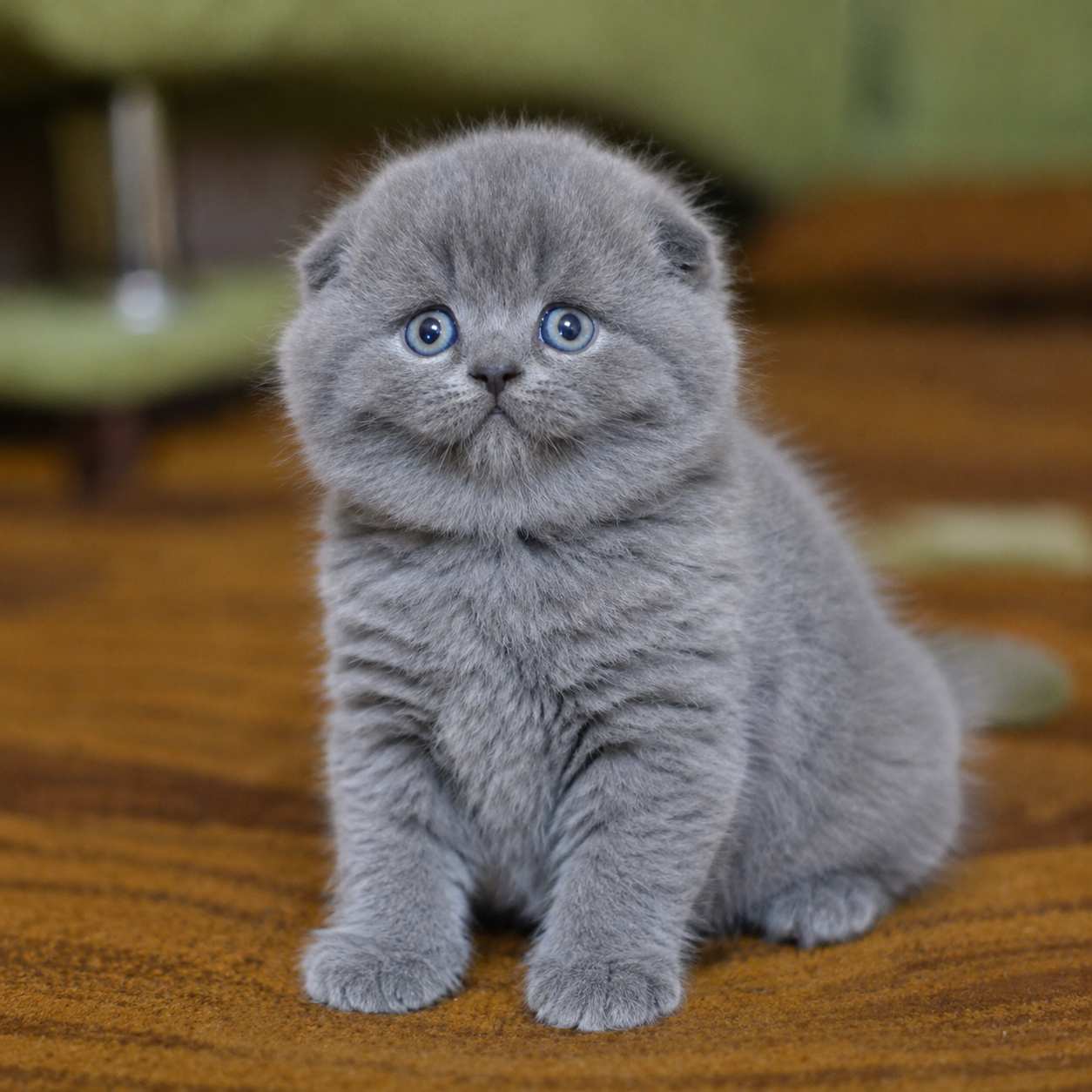
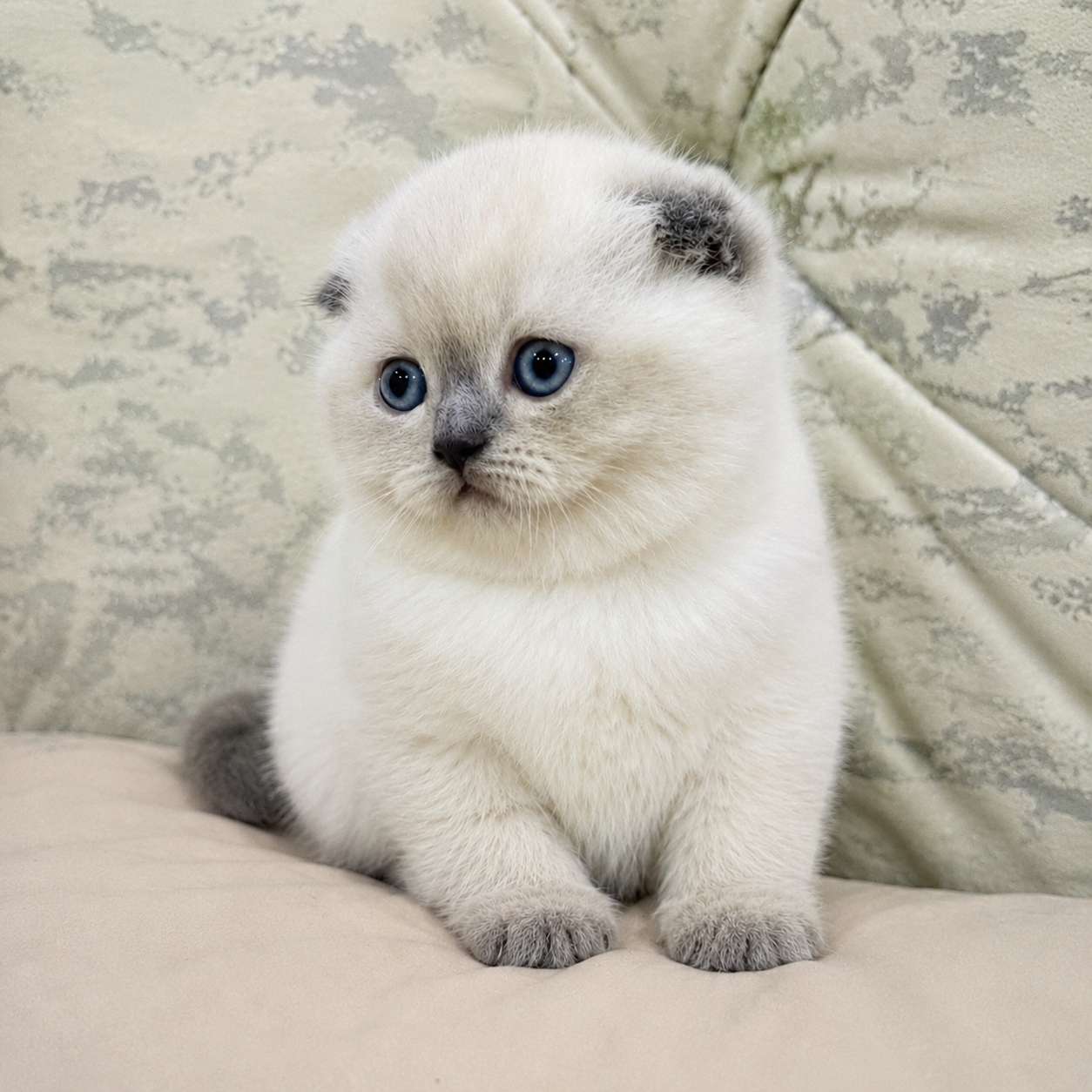
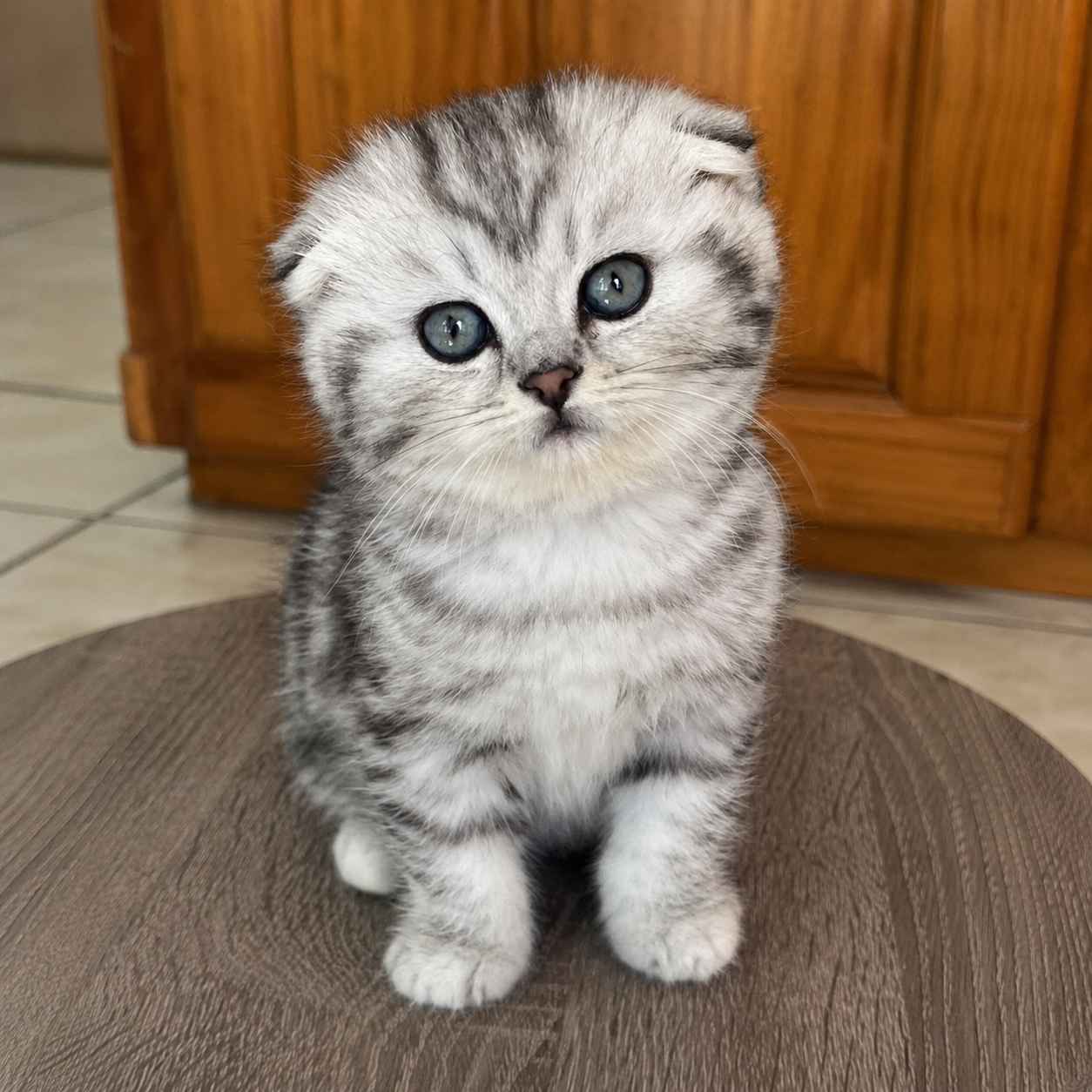
A closer look at Scottish Fold cats and kittens, their signature folded ears, round faces, and plush, huggable coats.
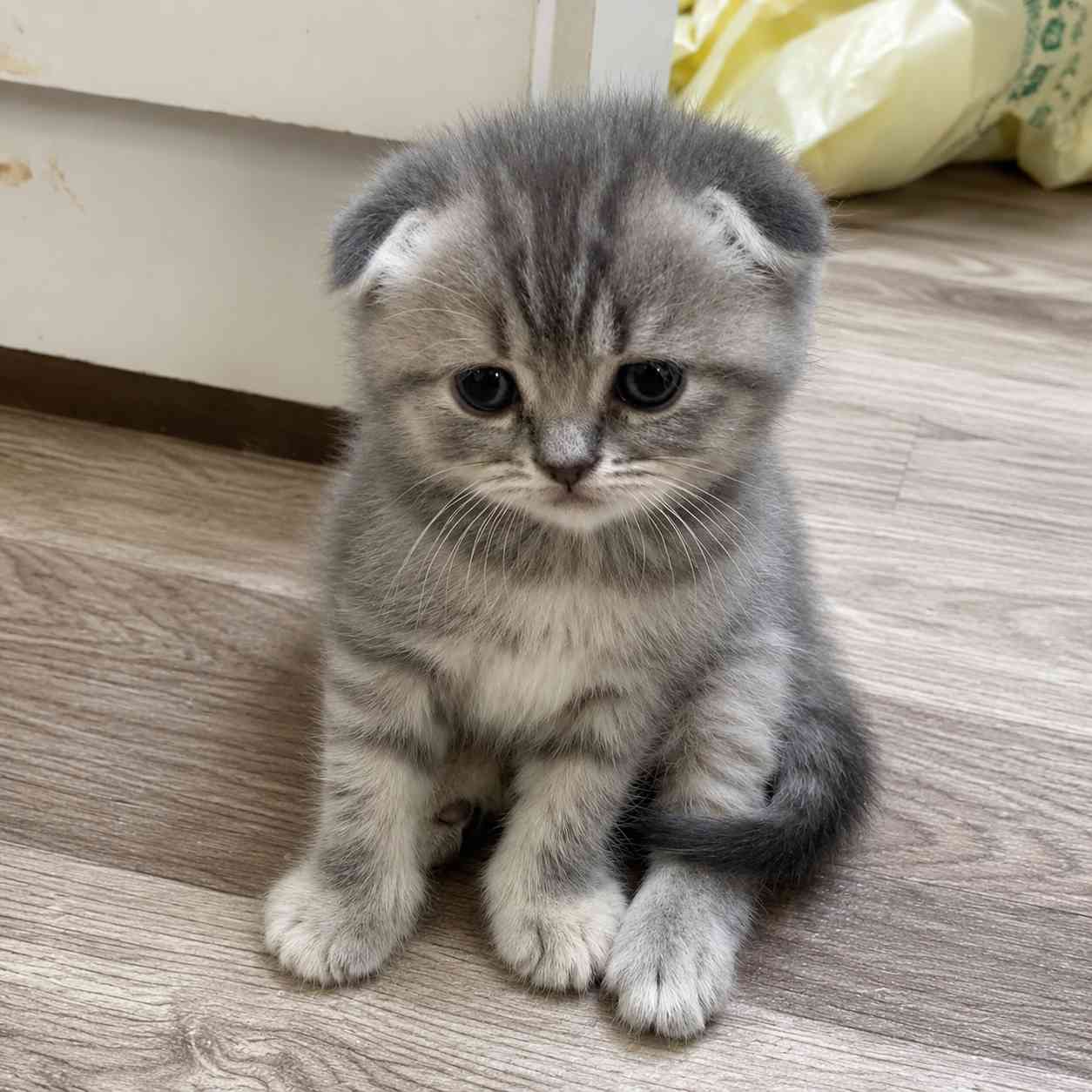
Introduction to the Scottish Fold Cat
A Scottish Fold is instantly recognisable the moment you see it, those small, folded ears sitting flat against a round, owl-like head give this breed a look no other cat has. Behind that unusual ear shape is a natural genetic mutation, and everything else about the cat, the dense coat, the sweet round eyes, the calm nature, only adds to why people fall for this breed so quickly. Today, Scottish Folds have found a growing fan base in Indian homes, especially among people who want a cat that's affectionate without being overly demanding.
What really works in this breed's favour in India is how easily it settles into indoor, apartment-style living. A Scottish Fold isn't the type to climb curtains or demand constant entertainment, it's happy following you from room to room, sitting on your lap while you work, or just watching the world go by from a windowsill. That easy-going nature is a big reason why this breed is becoming a popular pick in cities like Delhi, Pune, and Hyderabad.
Where the "Fold" Actually Comes From
Unlike most breeds that were developed over generations of selective crossing, the Scottish Fold traces back to a single cat. In the 1960s, a farm cat named Susie, born on a farm in Perthshire, Scotland, was noticed for her strangely folded ears. A local shepherd took interest, and through controlled breeding of Susie's descendants, the trait was preserved and eventually recognised as its own breed. Because of this single origin point, you'll sometimes hear breeders refer to the bloodline's Scottish roots even today, it's not just a nickname, it's genuinely where the breed began.
Straight Ears vs Folded Ears, It's Not Always What You Expect
Here's something a lot of first-time buyers don't know: not every kitten in a Scottish Fold litter is born with folded ears. The gene responsible for the fold is dominant but incomplete, meaning some kittens in the same litter can actually have straight, upright ears. These are usually called Scottish Straights, and while they don't have the signature folded look, they carry the same temperament, coat, and body type as their fold-eared siblings. A reputable breeder should always be upfront about which kittens are folds and which are straights before you commit to buying.
What This Guide Covers
This page is built to answer the questions a genuine Indian buyer actually has before bringing a Scottish Fold home, where the breed comes from, what a healthy kitten should cost, the health checks you shouldn't skip, how much grooming and care it realistically needs, and how to spot a trustworthy breeder versus one just chasing a sale. Whether you're still researching or ready to bring one home, everything you need is right here.
Origin & History of the Scottish Fold Cat
Global Origin
Unlike breeds that were carefully engineered over decades, the Scottish Fold's story starts almost by accident, on a farm near Coupar Angus in Perthshire, Scotland. In 1961, a local farmer named William Ross noticed a white barn cat with unusually folded ears living nearby. That cat, later named Susie, became the founding mother of the entire breed. Ross, along with a geneticist, began carefully breeding Susie's kittens to study and preserve the fold trait, and by the mid-1960s, the breed had been given a name and started appearing at British cat shows.
The road to recognition wasn't smooth, though. By the 1970s, some British cat associations grew concerned about potential ear and joint issues linked to the fold gene and stopped registering the breed altogether in the UK. That setback pushed the breed's development largely toward the United States, where American breeders, working with imported Scottish Folds and using outcrosses to British and American Shorthairs, refined the breed and got it formally recognised by major cat associations through the 1970s and 80s.
Interestingly, almost every Scottish Fold alive today can trace its lineage back to that one original cat, Susie. That's a big part of why responsible breeders are so particular about genetic health testing, since the entire breed descends from such a small starting gene pool.
Scottish Fold Cat in India When Did It Arrive?
Scottish Folds arrived in India much later than breeds like the Persian, largely riding the wave of India's growing exotic pet culture in the 2000s and 2010s. Early interest came from a small group of breeders and pet enthusiasts in metro cities who imported cats through international breeder networks, at the time, owning a Scottish Fold in India was rare enough that most people had never even seen one in person.
- In the initial years, availability was extremely limited, and most kittens came through select breeders in Delhi, Mumbai, and Bangalore with direct import connections.
- As Indian pet owners became more exposed to global cat breeds through social media, demand for the Scottish Fold's distinctive look grew rapidly, especially over the past 8 to 10 years.
- Today, the breed has a steadily growing presence across Delhi NCR, Mumbai, Pune, Bangalore, and Hyderabad, though it's still considered less common than more established breeds like the Persian.
At Royal Kitten, we've worked to make this breed more accessible without cutting corners, we partner with home breeders who prioritise health screening and proper care over quick litters, since the fold gene needs to be handled responsibly. The Royal Kitten team has been guiding Indian families through pedigree cat adoption since 2005, and that experience shapes how carefully we vet every Scottish Fold breeder we work with.
What Do Scottish Fold Cats Look Like?
From those signature folded ears to a rounded, teddy-bear face, the Scottish Fold has a look that's hard to mistake for any other breed. Here's a full breakdown of its body type, coat colours, size, eyes, and the different degrees of ear fold you'll come across when choosing a kitten.
Appearance & Body Structure
Scottish Folds have a rounded, well-padded body sitting on medium-length legs, giving them a compact, slightly plush look rather than a lean or athletic one. The head is broad and rounded, the cheeks are full, and the whole face has a soft, owl-like appearance that only gets more pronounced with the folded ears. The eyes are large and round, often giving the cat a permanently curious, wide-eyed expression.
Coat Types & Colours
Scottish Folds can have either a short, dense, plush coat or a longer semi-long variety (sometimes called Highland Fold), both types feel soft and springy rather than silky. This breed is accepted in nearly every colour and pattern seen in domestic cats, here's the typical spread:
The short-coat variety needs relatively low grooming, but the longer Highland Fold type sheds more and benefits from a weekly brush to keep mats from forming around the neck and hindquarters.
Size & Weight
Eye Colour
Eye colour in Scottish Folds usually complements the coat shade and can range from a warm gold to a cool blue, with copper and green also fairly common depending on the cat's colour pattern.
Scottish Fold Ear Types
Not every Scottish Fold has the same degree of ear fold, and this actually matters a lot when picking a kitten. Breeders generally group the fold into three stages, and the tighter the fold, the more careful the health monitoring needs to be, since a tighter fold is linked to a higher chance of cartilage-related joint issues later in life.
Single Fold
Ears fold just slightly forward and loosely. The mildest form, generally the lowest health risk.
Double Fold
A firmer, more defined fold sitting closer to the head. The most commonly seen look in the breed.
Triple Fold
Ears fold tightly flat against the skull. Most dramatic look, but needs closer joint health monitoring.
Personality & Temperament
Scottish Folds are known for being warm, easy-going, and genuinely people-focused, which is exactly why they've built such a loyal fan base among Indian pet owners. They're not the type of cat that hides away when guests come over or bolts under the bed at loud noises, most Scottish Folds are curious and comfortable being part of whatever's happening in the house. This social, adaptable nature is a big reason they settle so smoothly into busy Indian family homes.
A Quiet, Dog-Like Companion
One thing that surprises a lot of first-time owners is how quiet Scottish Folds actually are. They rarely meow demandingly, and when they do vocalise, it's usually a soft, barely-there sound rather than a loud call. What they lack in vocal expression, they make up for in following you around the house, plenty of owners describe this breed as almost dog-like in how closely it shadows its favourite person from room to room. They're also fond of odd sitting positions, sitting upright on their haunches like a little meerkat is a quirky, well-known trait of this breed.
How They Behave Around Children
Scottish Folds are generally patient and unbothered by the noise and chaos that comes with kids in the house. They tolerate handling reasonably well and rarely react with aggression, even when a child is a bit clumsy with them. Still, because their ear cartilage can be sensitive, it's worth teaching children to avoid tugging or touching the ears directly, gentle handling around the head and body goes a long way in keeping the cat comfortable and building trust.
Getting Along With Other Pets
This breed tends to adapt well to multi-pet households, including other cats and calm dogs. Scottish Folds aren't territorial or confrontational by nature, they're more likely to size up a new pet from a safe distance before slowly warming up. Introductions should still be gradual, separate spaces initially, supervised meetings, and enough time for scent familiarity, but most Scottish Folds settle into shared households without major friction.
Why This Breed Works for Busy Households
A Scottish Fold doesn't demand constant attention to stay content, but it does thrive on companionship. It's a good match for people who want an affectionate cat without needing to plan their entire day around it. What matters more than constant playtime is having someone around, this breed doesn't do well being left alone for very long stretches regularly, and prefers a home where at least one family member is present most of the day.
Signs of a Well-Adjusted Scottish Fold
A properly socialised Scottish Fold, one that's been handled gently from kittenhood and raised in a calm home, usually shows relaxed, confident behaviour: comfortable around new people, easy to pick up, and affectionate without being overly demanding. If a Scottish Fold seems unusually withdrawn, flinches at normal touch, or shows signs of discomfort when its ears or joints are touched, it's worth asking the breeder directly, this can sometimes point to early handling issues or, less commonly, underlying joint sensitivity linked to the fold gene.
Health & Common Health Issues
Scottish Folds are sturdy, generally healthy cats, but the same gene that gives them their folded ears also affects cartilage elsewhere in the body. Knowing what this means in practice helps you spot early warning signs and pick a kitten from parents who've actually been screened for it.
Health Issues to Watch For
Osteochondrodysplasia (Joint & Cartilage Condition)
This is the core genetic trait behind the breed's folded ears, but the same cartilage-affecting gene can also impact joints in the legs, tail, and spine. Cats with two copies of the fold gene (from two fold parents) are far more likely to develop painful joint stiffness, which is why reputable breeders only ever pair a fold with a straight-eared cat.
Ear Wax Buildup & Infections
The tightly folded ear shape traps wax and moisture more easily than an open, upright ear, raising the chance of infections if left unchecked. A gentle weekly ear check goes a long way toward catching problems before they escalate.
Hypertrophic Cardiomyopathy (HCM)
Like several other pedigree breeds, Scottish Folds can be predisposed to this thickening of the heart muscle. It's often silent in early stages, so periodic cardiac screening, especially for breeding cats, is genuinely worth asking your breeder about.
Polycystic Kidney Disease (PKD)
PKD shows up occasionally across several long and short-haired pedigree breeds, including Scottish Folds with certain lineage crosses. It's a slow-developing condition involving fluid-filled cysts on the kidneys, and routine vet screening helps catch it well before symptoms appear.
Weight Gain & Obesity
This breed's laid-back, low-activity nature means extra kilos can creep on quietly if meals aren't portioned properly. Since excess weight puts added strain on already sensitive joints, keeping a Scottish Fold lean is more important here than in most breeds.
Reduced Tail Flexibility
In some cats, the cartilage condition can make the tail stiffer or less flexible than usual. A vet can check tail mobility during routine visits, it's a simple, painless way to gauge how the joint condition is progressing.
General Vaccination Guide
Exact schedules can shift slightly kitten to kitten, but most vets across India work off a similar core vaccination timeline. Treat this as a general roadmap, your vet's specific plan always takes priority.
Routine Vet Care
Beyond core vaccinations, a Scottish Fold benefits from a check-up at least once or twice a year, with particular attention paid to joint mobility, ear health, and heart function given the breed's known risk areas. A vet who's familiar with the breed will know exactly what subtle signs to look for during a routine exam, and catching joint stiffness or cardiac changes early makes a real difference to long-term comfort.
Grooming & Care Guide
A Scottish Fold's care needs are more manageable than most pedigree breeds, coat upkeep is fairly light, but the fold gene means ear care and joint comfort deserve real attention. Here's what a proper care routine actually looks like for this breed.
Coat Care
Compared to long-haired breeds, a Scottish Fold's coat is fairly low-maintenance, two to three brushing sessions a week with a rubber grooming mitt or soft slicker brush is usually enough to keep shedding under control. If you have the longer-coated Highland Fold variety, bump this up to every other day, especially during seasonal shedding, since the denser undercoat mats more easily than the short-haired version.
Ear Cleaning
This is the one area that genuinely needs extra attention. The folded ear shape traps wax and debris more than a standard upright ear, so a gentle check every week, using a vet-approved ear cleaner and a soft cotton pad, helps prevent buildup and infection before it starts.
Bathing
Scottish Folds rarely need frequent baths, once every 6 to 8 weeks is usually plenty unless the coat gets visibly dirty. Use a mild cat-specific shampoo, and always dry thoroughly afterward, trapped moisture near the ears is best avoided given their fold shape.
Diet & Nutrition
- Kitten stage (0–12 months): High-quality kitten food with added calcium support, since bone and cartilage development matters more in this breed.
- Adult (1+ years): Balanced adult food, twice a day, with careful portion control, this breed's calm nature makes weight gain easy, and extra weight adds pressure on already sensitive joints.
- Joint support: Vets often recommend glucosamine or joint-support supplements as the cat ages, worth discussing at routine check-ups.
Litter Training
Scottish Folds are quick, easy learners when it comes to litter training. A low-sided litter box is worth considering as the cat ages, since it's gentler on joints that may be more sensitive due to the fold gene.
Exercise & Home Setup
Exercise needs are low to moderate, a couple of short, gentle play sessions a day with soft toys keeps this breed mentally satisfied without overexerting sensitive joints. It's worth avoiding tall cat trees with steep jumps, since repeated hard landings can add strain over time, low, wide furniture and gentle ramps make for a more joint-friendly home setup.
Bringing a Scottish Fold kitten home soon? Follow our detailed post-delivery care guide to get the first few weeks right.
Read the Kitten Care Guide →Cost of Ownership (Beyond Purchase Price)
The price you pay for a Scottish Fold kitten is only the entry cost. The real long-term commitment lies in the recurring expenses that continue for the next 11 to 14 years, food, ear care, vet visits, and joint-support essentials as the cat grows older. Planning for this early helps you avoid surprises down the line. For a full breakdown of current kitten prices and what influences them, see our Scottish Fold cat price and monthly cost guide.
What Ongoing Ownership Actually Includes
- Food: A good-quality, balanced diet is a recurring monthly cost that shifts as your kitten grows into an adult. Since this breed is prone to weight gain, portion-controlled, breed-appropriate food is worth the slightly higher spend.
- Grooming supplies: Grooming is lighter here than with long-haired breeds, but you'll still budget for a decent slicker brush, cat-safe shampoo, and vet-approved ear-cleaning solution, all recurring, if smaller, expenses.
- Vet care & joint monitoring: Beyond annual vaccinations and deworming, this breed benefits from periodic joint and cardiac check-ups given the fold gene's known effects, this is one area where skipping check-ups can cost more later.
- Joint-support supplements: As Scottish Folds age, many owners add glucosamine or similar joint supplements to their routine, a small but ongoing cost that pays off in comfort and mobility.
- Litter & daily supplies: Litter, scratching posts, and toys are minor individually but form a steady monthly total, factor in a low-sided litter box too, which is gentler on ageing joints.
- Emergency fund: Keeping a small reserve for unplanned vet visits is a smart habit with any breed, but especially useful here given the joint and ear-related issues this breed can develop.
These costs shift depending on your city, the quality of food and care you choose, and your individual cat's health profile. The key takeaway is simple: budget for the years of care that follow, not just the day you bring your kitten home.
Myths vs Facts About Scottish Fold Cats
Scottish Folds attract a lot of misinformation, mostly around their ears and health. Here's what's actually true, backed by how the breed really works.
Scottish Fold vs British Shorthair
These two breeds get mixed up constantly, both have that same round, plush, teddy-bear look. But once you know what to check, telling them apart (and picking the right one for you) becomes a lot easier.
| Feature | Scottish Fold | British Shorthair |
|---|---|---|
| Origin | Scotland, traced back to a single farm cat named Susie in the 1960s | United Kingdom, one of the oldest recognised English cat breeds, dating back over a century |
| Ears | Small, folded forward, sitting flat and close to the rounded head, this is the breed's defining trait | Small to medium, upright and rounded at the tips, standard cat-shaped ears |
| Face Shape | Round, owl-like face with full cheeks, folded ears make the face look even rounder | Broad, round face with chubby cheeks, often described as having a permanent smile |
| Body Type | Rounded, medium build, sturdy but not as dense or heavy-boned as the British Shorthair | Compact, powerfully built, with a broad chest and thick-set legs, noticeably denser and heavier |
| Price in India | Varies by ear fold type and lineage, see our Scottish Fold cat price guide for current ranges | Generally priced in a similar range, sometimes slightly higher due to the breed's long-established popularity |
Scottish Fold Cat Breed Standards
The Scottish Fold is recognised as a formal breed by most major international registries, including The International Cat Association (TICA) and the Cat Fanciers' Association (CFA), both of which maintain detailed standards covering ear fold degree, body type, and coat quality. Interestingly, not every registry treats the breed the same way, the GCCF in the UK still doesn't recognise Scottish Folds for showing, largely due to the same health concerns that paused the breed's registration there back in the 1970s. This is worth knowing since it explains why breed standards can feel a little inconsistent depending on which organisation you're referencing.
Can You Register a Scottish Fold Cat in India?
Yes, Scottish Fold owners in India can register their cats through local cat clubs affiliated with international bodies like TICA. Registration usually requires submitting the kitten's lineage details, ear fold classification, coat colour, and clear photographs. This is particularly useful if you're planning to show your cat or simply want documented proof of its pedigree and genetic background, especially relevant for a breed where lineage transparency matters as much as looks.
What We Provide With Every Kitten
Every Scottish Fold kitten we place comes with proper health documentation, vet check-up records, vaccination history, and deworming status, giving you full visibility into the health work already completed. For this breed specifically, we also share details on the parents' ear fold type, since responsible fold-to-straight pairing is central to a genuinely healthy kitten. If you choose to pursue formal registration later, this documentation gives you a solid starting point.
Want to know exactly how we verify a kitten's health before it's cleared for delivery? See our 3-step kitten verification process.
Kitten Development Stages (Week by Week)
Knowing how a Scottish Fold kitten grows week by week helps you understand what to expect, especially since one milestone in this breed, the ear fold, doesn't even happen right at birth. Here's how development typically unfolds from birth to adulthood.
Ideal age to bring home a kitten:
Generally 8–12 weeks is recommended, by this point the final ear type is confirmed, and the kitten is weaned, litter trained, and socialised enough to settle smoothly into a new home.
Seasonal Care for Scottish Fold Cats in India
India's weather shifts dramatically through the year, and a Scottish Fold needs slightly different attention in each season, especially around those ears. Here's how to adjust your routine to keep your cat comfortable year-round.
- The short, dense coat handles heat better than long-haired breeds, but shaded, well-ventilated spaces are still important during peak afternoon hours.
- Keep fresh water accessible at all times, dehydration risk rises quickly in India's summer heat.
- Check ears more often in summer, warm weather can speed up wax buildup and irritation inside the fold.
- Watch for heat stress signs, heavy panting, lethargy, or refusing to move, and get to a vet promptly if these appear.
- This is the season to be most careful about ear health, trapped humidity inside folded ears creates ideal conditions for infection, so weekly checks and drying are essential.
- Clean the litter box more frequently, since humid conditions speed up bacterial growth.
- Dry the coat thoroughly after any dampness, and keep bedding away from damp, poorly ventilated corners.
- Scottish Folds handle mild winters reasonably well, but the shorter coat offers less natural insulation than long-haired breeds.
- In colder, northern regions of India, warm bedding and a draft-free sleeping spot make a real difference to comfort.
- Joint stiffness can be more noticeable in cold weather for cats affected by the fold gene, a warm resting spot helps keep them comfortable.
Adoption vs Buying: What to Consider
Both paths can lead to a wonderful cat, what matters is figuring out what you actually need, certainty around ear fold type and health screening, or giving a cat a second chance at a home.
Buying a Home-Bred Kitten
- A home-bred kitten, raised in a real household rather than a commercial setup, grows up around everyday people and noise, making the transition to your home much smoother.
- You get full health documentation, including vet check-ups, vaccination records, and, importantly, details on the parents' ear fold status, critical for confirming responsible fold-to-straight breeding.
- The right route if you want certainty about ear fold type, coat length, or colour, since you can see the kitten and often the parents directly.
- Home-raised kittens are typically already used to gentle handling and early socialisation, which matters even more for a breed where ear sensitivity is a factor.
Adoption
- Scottish Folds occasionally do show up in shelters and rescues, though less frequently than more common breeds.
- Generally a lower-cost route into cat ownership.
- Gives a cat in need a second chance, often an adult rather than a young kitten.
- Genetic background, especially around the fold gene and any related joint history, is often unknown, worth discussing openly with the shelter if this route interests you.
Not sure where to start? Our complete guide to buying a kitten in India walks you through the entire process step by step.
Famous Scottish Fold Cats & Cultural Significance
Few breeds have crossed over into internet fame quite like the Scottish Fold, its distinctive look has made it one of the most recognisable and photographed cat breeds of the social media era.
Maru and Internet Stardom
The most famous Scottish Fold in the world is arguably Maru, a Japanese cat whose videos, mostly of him jumping into cardboard boxes, have racked up hundreds of millions of views on YouTube since 2007. Maru became one of the earliest viral animal celebrities on the internet, and his popularity played a real role in introducing the Scottish Fold breed to a global audience who'd never encountered folded ears before.
Taylor Swift's Scottish Folds
Singer Taylor Swift owns two Scottish Fold cats, Meredith and Olivia, who've appeared in her music videos, social media, and interviews over the years. Their visibility alongside one of the world's most followed celebrities has meaningfully boosted the breed's popularity, including here in India, where interest in Scottish Folds has grown noticeably in recent years.
A Recognisable Face in Pop Culture
Beyond specific famous cats, the Scottish Fold's rounded face and folded ears have made it a favourite reference point in memes, merchandise, and cat-themed content online. Its expressive, almost owl-like appearance photographs distinctively well, which is part of why the breed keeps resurfacing in viral pet content.
Scottish Fold Variants & Types
The Scottish Fold isn't a single uniform look, there's more variation within the breed than most people expect. Ear fold degrees (Single, Double, and Triple Fold) are covered in detail in our Physical Characteristics section above. Here are the other variants worth knowing about.
Highland Fold (Longhair Variant)
This is the semi-long-haired version of the Scottish Fold, carrying the same folded ears and rounded body, but with a denser, plush coat that requires slightly more grooming attention. Some registries treat it as a distinct breed name, while others simply classify it as a coat-length variation within the Scottish Fold standard.
Scottish Straight
Not every kitten from Scottish Fold parentage ends up with folded ears, some are born with straight, upright ears instead. These cats, called Scottish Straights, share the exact same body type, coat, and temperament as their fold-eared siblings and are commonly used in responsible breeding programs specifically because they don't carry the fold gene's health risks.
Genetics & Breeding Considerations
The Scottish Fold's defining trait comes down to a single dominant gene that affects cartilage development throughout the body, not just in the ears. A kitten only needs to inherit one copy of this gene from either parent to develop folded ears, which is why fold and straight-eared kittens can appear in the very same litter.
The most important genetic consideration for this breed, already touched on in our Health & Common Health Issues section, is that breeding two fold-eared cats together significantly raises the risk of severe joint and cartilage problems in the kittens. This is why responsible breeders exclusively pair a fold-eared cat with a straight-eared one, a practice that keeps the fold trait in the gene pool while sharply reducing associated health risks. Avoiding this pairing isn't a minor detail, it's arguably the single most important genetic safeguard in ethical Scottish Fold breeding, and it's worth asking any breeder directly about their pairing practices before bringing a kitten home.
Conclusion
The Scottish Fold has earned its place as one of the most instantly recognisable and genuinely affectionate cat breeds around, thanks to its folded ears, round owl-like face, and easy-going, people-loving nature. Whether you're new to cat ownership or bringing home your next companion, it's worth understanding the breed's specific health considerations, particularly around ear and joint care, before making the decision. If you're ready to move forward, choosing a kitten from a breeder who practises responsible fold-to-straight pairing, provides full health documentation, and raises kittens in a genuine home environment makes all the difference in how healthy and well-adjusted your cat turns out to be.
Explore Other Popular Cat Breeds
Looking for a cat breed other than Scottish Fold? Explore our detailed breed guides to compare different cats, their characteristics, care requirements, and prices.
Scottish Fold Cats for Sale Near You
Looking for a Scottish Fold kitten in your city? Check out our location-specific pages for availability, pricing, and home-delivery options across India.
Frequently Asked Questions
The most common questions people search before buying or learning about a Scottish Fold cat, answered directly.