
What Makes a Siamese Cat So Special? Origin, Price & Care Guide for India
Thinking about bringing home a Siamese cat? Yeh guide aapko batayega ki yeh breed kahan se aayi, India mein kitna kharcha aata hai, aur roz ki care mein kya dhyan rakhna zaroori hai before you finally decide.
Siamese Cat Gallery
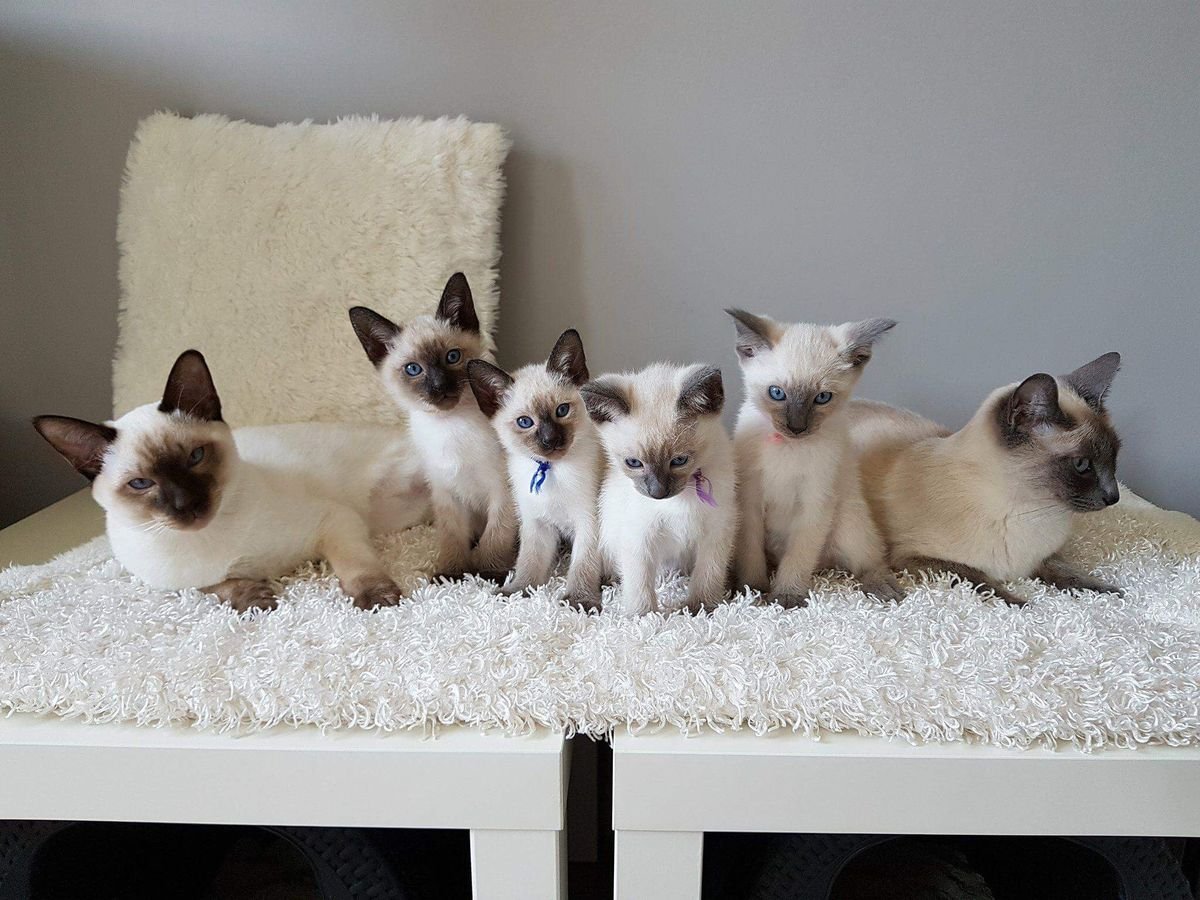
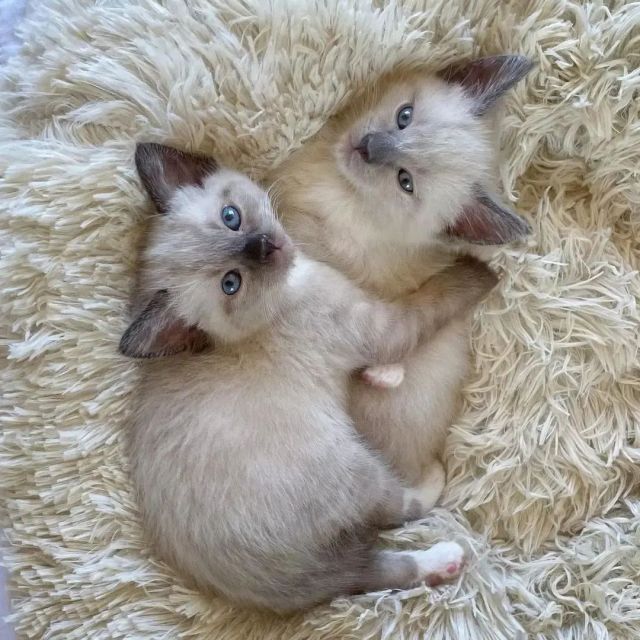
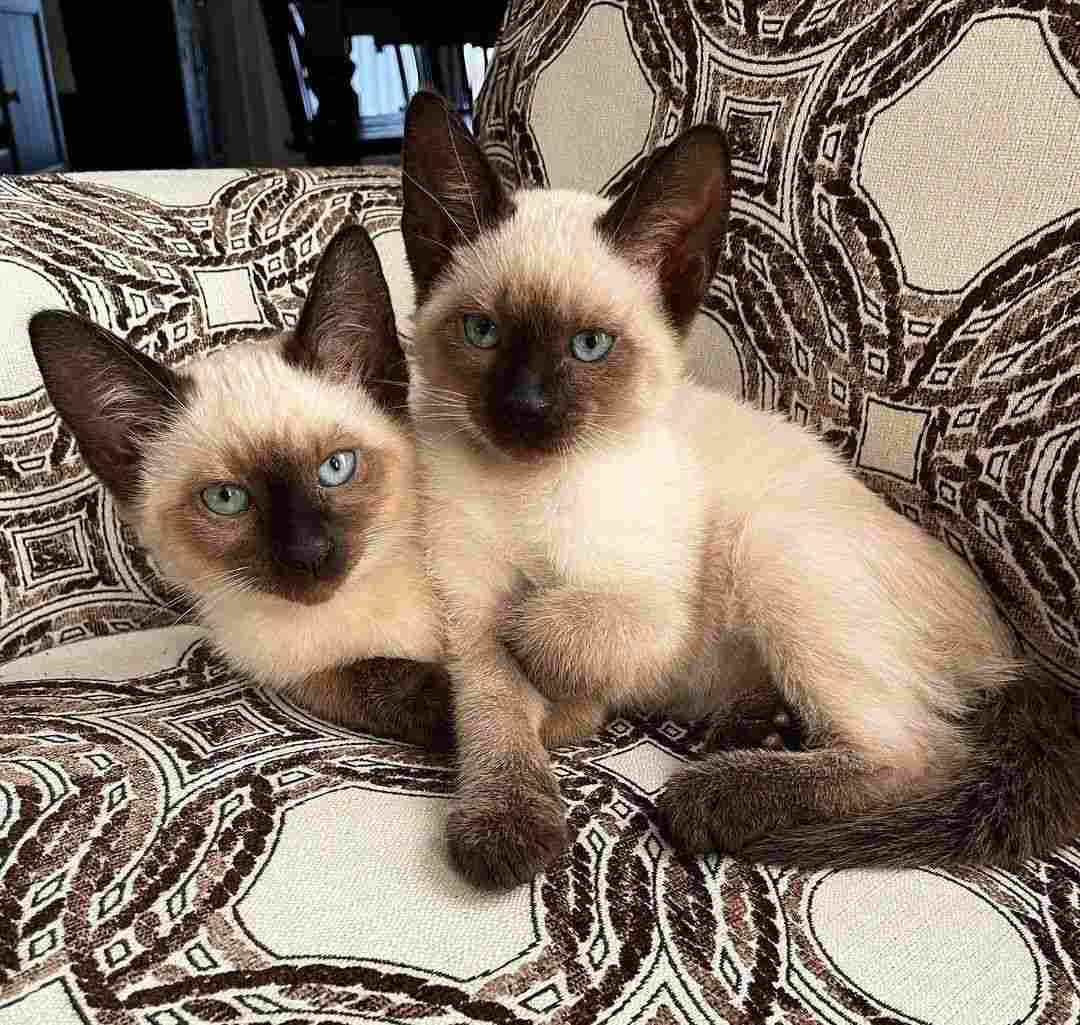
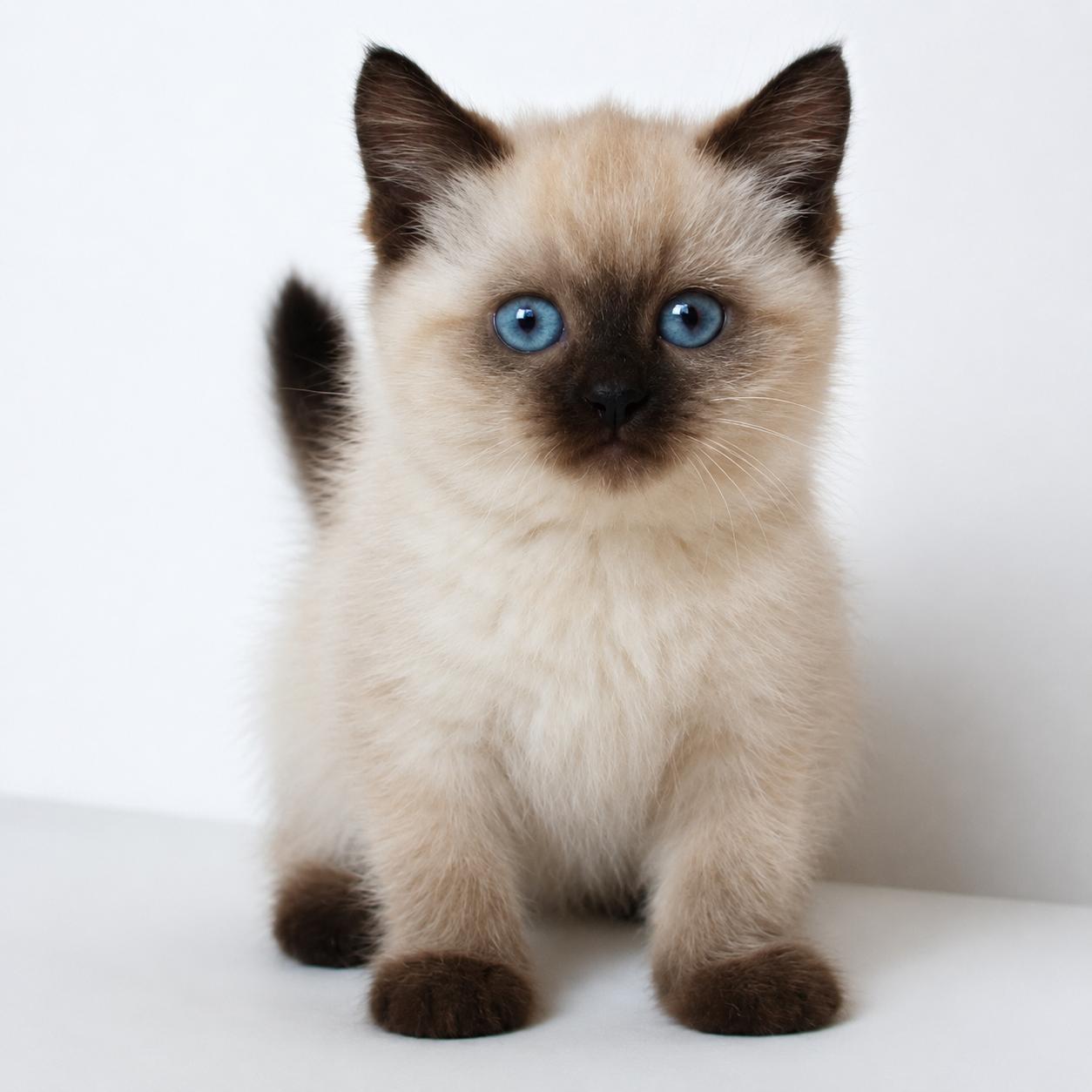
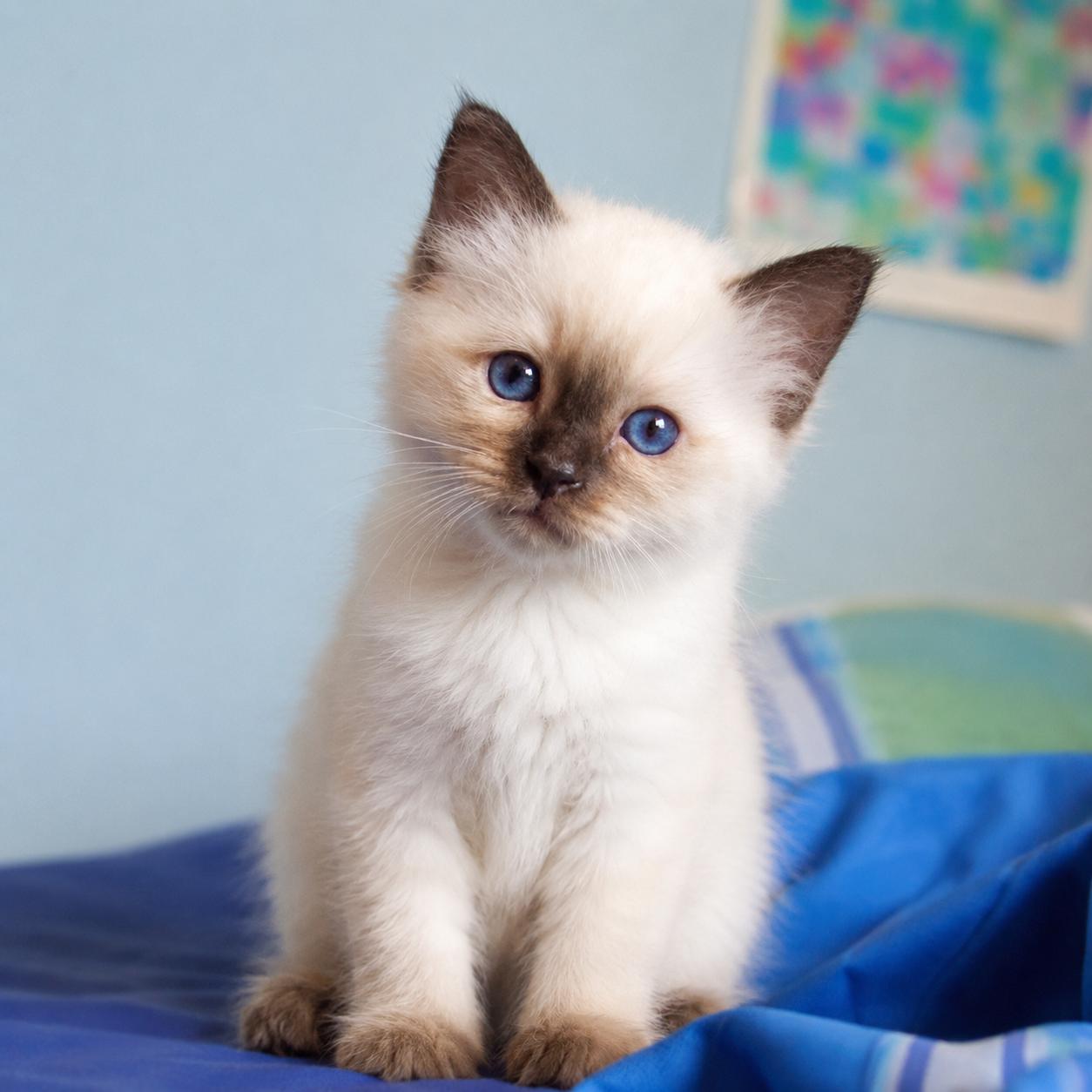
A closer look at Siamese cats and kittens, their striking blue eyes, sleek short coat, and unmistakable colour-point pattern.
Introduction to the Siamese Cat
The Siamese cat is a short-haired breed instantly recognisable by its striking blue eyes, sleek body, and pointed coat pattern, darker shades on the face, ears, paws, and tail, set against a lighter body. Originally from Siam (present-day Thailand), it's one of the oldest and most talkative cat breeds around, known as much for its personality as its looks.
In India, the Siamese has quietly built a strong fan base among people who want a cat that's more interactive than the average pet. Unlike quieter breeds, Siamese cats love attention, follow their owners around the house, and aren't shy about "talking" when they want something. This makes them a great match for owners in cities like Delhi, Mumbai, and Bangalore who want a companion cat that feels genuinely involved in daily life, not just a lap decoration.
Known by Different Names Around the World
The Siamese goes by a few names depending on the region and era. In its homeland, it was historically called the Wichianmat, a Thai term tied to royal and temple cats. Early Western breeders sometimes referred to it as the Royal Cat of Siam, thanks to old stories of it being kept by Siamese royalty. You'll also come across the term pointed cat in general use, describing the colour pattern rather than the breed itself, though it's often loosely applied to Siamese cats. No matter the name, the sharp blue eyes, slim build, and colour-pointed coat remain the breed's calling card.
What This Guide Covers
This page covers everything a first-time Indian owner should know before getting a Siamese, its origin and history in India, current price ranges, common health concerns, grooming and daily care needs, and how to spot a healthy, genuine kitten versus one that isn't. Whether you're just exploring the breed or ready to bring one home, you'll find the essentials here.
Origin & History of the Siamese Cat
Global Origin
The Siamese cat's roots go back to old Siam, the kingdom we now know as Thailand, where these pointed, blue-eyed cats were kept in temples and royal households long before the West ever laid eyes on them. Old Thai manuscripts, known as the Tamra Maew (Cat Poems), describe cats matching the Siamese's build and colouring, suggesting the breed existed in some form for centuries within Thai culture, often treated as good-luck companions rather than ordinary pets.
The breed reached the West in the late 1800s. A pair of Siamese cats was gifted to the British Consul-General in Bangkok, Edward Blencowe Gould, who brought them back to England in 1884. Not long after, in 1885, Siamese cats were shown at London's Crystal Palace cat show, an event that introduced the breed to European audiences and sparked immediate curiosity, some early reviewers even called their appearance "unnatural" compared to the plump, round British cats of that era.
From there, the Siamese quickly built a following in Britain and later the United States, where breed clubs formed in the early 1900s to standardise its look. Over the decades, the breed split into two general styles, the rounder, sturdier "traditional" or "applehead" Siamese closer to the original imports, and the leaner, more angular "modern" Siamese shaped by later selective breeding in the West.
Siamese Cat in India When Did It Arrive?
Siamese cats are believed to have made their way into India through the same channel as most Western pedigree breeds, brought in gradually by diplomats, returning expats, and a small circle of pedigree pet enthusiasts in major metros. Given India's geographical closeness to Southeast Asia, the Siamese likely had an easier route into the country compared to some European breeds, though it still remained a rare sight outside select urban circles for a long time.
- For many years, Siamese cats stayed limited to a handful of serious breeders in cities like Delhi, Mumbai, and Kolkata, mostly known within pedigree cat communities rather than the general public.
- As pet culture expanded across urban India over the past decade, more home breeders started raising Siamese litters, making kittens easier to find in Delhi NCR, Mumbai, Bangalore, Pune, and Hyderabad.
- Today, the Siamese is gaining steady popularity among Indian owners who specifically want a more vocal, people-oriented cat rather than a purely low-maintenance companion.
At Royal Kitten, we work with home breeders who raise Siamese kittens in proper family environments, so their naturally social, people-loving temperament develops the way it should, not suppressed by cramped commercial breeding setups. The Royal Kitten team has been guiding Indian families toward healthy, well-socialised pedigree kittens since 2005, and Siamese has become one of the breeds we get asked about most often by owners wanting a more interactive cat.
Physical Characteristics of the Siamese Cat
The Siamese is easy to spot from across the room, sleek body, wedge-shaped face, and those unmistakable blue eyes. Here's a full breakdown of body type, coat colours, size, eyes, and the body variations you'll come across while picking a kitten.
Appearance & Body Structure
Siamese cats have what's called an "oriental" body type, long, slim, and muscular, with a lean frame that's stronger than it looks. The head is a distinct wedge shape that tapers in straight lines from the ears to the nose, the ears are large and set to continue that triangle, and the eyes are almond-shaped and always a striking shade of blue. The tail is long and thin, tapering to a fine point, matching the overall streamlined look of the breed.
Coat Type & Colours
Unlike breeds with a thick double coat, the Siamese has a short, fine, single-layer coat that lies close to the body, this is actually one reason grooming is so much easier compared to long-haired breeds. What really defines the Siamese, though, is its colour-point pattern: a lighter body with darker "points" on the face, ears, paws, and tail. Here's how the colours break down:
Point colour isn't fixed at birth, kittens are born almost fully white or cream, and the darker points develop gradually over the first year as the coat reacts to body temperature, cooler areas like the face, ears, and paws darken first.
Size & Weight
Eye Colour
Every purebred Siamese has blue eyes, this isn't just a common trait, it's a defining one for the breed, linked directly to the same gene responsible for the colour-point coat pattern. The shade can range from a paler, icy blue in kittens to a deep, vivid sapphire blue in healthy adults.
Siamese Cat Body Types
Not every Siamese looks the same, breeders generally group the breed into a few recognised body types, based on how far the face and frame have moved from the original imports of the 1800s. This matters for both looks and health, the more extreme the build, the more
Personality & Temperament
Siamese cats are known for being vocal, intelligent, and deeply attached to their owners, a personality that's almost the opposite of a quiet, low-key lap cat. This isn't a breed that's content sitting in a corner all day, a Siamese wants to be involved, wants to talk to you, and wants to know what you're doing at all times. For owners looking for a cat with real personality and presence, this is exactly the appeal.
A Highly Active, Vocal Companion
Siamese cats are far more energetic than most breeds, they enjoy climbing, chasing, playing fetch, and generally staying busy through the day. They're also famous for being "talkative," expect frequent meows, chirps, and a range of vocal sounds used to get attention, ask for food, or simply comment on what's happening around the house. Owners who enjoy an interactive, expressive cat tend to love this trait; those wanting a quiet, silent companion may find it a bit much at first.
How They Behave Around Children
Siamese cats generally do well with children, especially in homes where the kids are old enough to engage in active play rather than just petting. Their playful, social nature means they often enjoy the attention and energy that comes with a child around, and they're usually quick to bond closely with the kids in the house. The main thing to watch is overstimulation, being naturally sensitive and social, a Siamese can get overwhelmed if handling is too rough or constant, so teaching kids to read the cat's cues helps keep interactions positive.
Getting Along With Other Pets
Siamese cats can adjust well to other cats and dogs, but they tend to be more particular about hierarchy and attention than laid-back breeds. Since they form strong bonds with their people, a new pet in the house can sometimes trigger a bit of jealousy or attention-seeking behaviour early on. A slow, structured introduction, along with making sure the Siamese still gets one-on-one time, usually smooths this out and leads to a good long-term relationship between pets.
Why This Breed Suits Engaged, Hands-On Owners
A Siamese isn't the right fit for someone who wants a cat that mostly keeps to itself. This breed does best with owners who have time to interact, play, and genuinely engage on a daily basis, left alone for long stretches, a Siamese can get bored, anxious, or even a little destructive. In return for that attention, you get a cat that's affectionate, expressive, and far more dog-like in how closely it follows and interacts with its owner than most other breeds.
Signs of a Well-Adjusted Siamese
A Siamese that's been socialised well from kittenhood usually shows confident, curious behaviour, comfortable meeting new people, quick to settle in new environments, and vocal without being constantly anxious or clingy. If a Siamese seems excessively fearful, overly aggressive, or shows signs of prolonged stress like over-grooming, it's often linked to poor early socialisation rather than a natural trait of the breed, something worth asking a breeder about before bringing a kitten home.
Health & Common Health Issues
Siamese cats are one of the hardier pedigree breeds, without the flat-face problems Persians face, but their body type and genetics bring a different set of things to watch for. Knowing these in advance helps you pick a kitten from healthy, well-screened parents and stay ahead of issues as your cat ages.
Health Issues to Watch For
Progressive Retinal Atrophy (PRA)
This is a genetic eye condition that gradually affects vision over time and is known to occur in the Siamese lineage worldwide. Responsible breeders screen for it, and early vet check-ups can help catch vision changes before they become severe.
Dental Disease
Siamese cats are somewhat prone to gum disease and plaque buildup as they age. Regular dental checks and cleaning help avoid discomfort and more serious issues like tooth loss later in life.
Respiratory Sensitivity (Asthma)
The breed shows a higher tendency toward feline asthma compared to some others, with symptoms like coughing or laboured breathing. Keeping the home free of smoke, dust, and strong sprays helps reduce flare-ups.
Heart Conditions
Certain heart conditions, including forms of cardiomyopathy, are seen more often in Siamese lines than average. Routine vet check-ups that include listening for heart murmurs are a simple way to catch this early.
Liver-Related Issues (Amyloidosis)
This is a known hereditary concern in the breed where abnormal protein deposits can affect liver function over time. It's not extremely common, but it's worth knowing about and screening for when choosing a kitten from a breeder.
Stress-Related Behaviour
Because Siamese cats bond so closely with their owners, prolonged loneliness or a chaotic environment can trigger stress behaviours like over-grooming or excessive vocalising. Consistent routine and attention go a long way here.
General Vaccination Guide
Every kitten's exact schedule can vary slightly, but most vets in India follow a similar general timeline for core vaccinations. Use this as a rough guide, not a replacement for your vet's advice.
Routine Vet Care
Beyond vaccinations, a Siamese benefits from a check-up at least once or twice a year, with particular attention to heart and dental health given the breed's known risk areas. Since Siamese cats tend to be more expressive when something's wrong, sudden changes in vocal behaviour or appetite are often an early sign worth getting checked promptly.
Grooming & Care Guide
A Siamese cat is refreshingly low-maintenance on the grooming front, its short coat doesn't demand daily brushing. What it does need is mental engagement, social time, and a diet that matches its higher energy levels. Here's what a proper care routine actually looks like.
Coat Care
Compared to long-haired breeds, a Siamese's coat is fairly easy to manage. A quick brush once or twice a week with a soft rubber brush or grooming mitt is enough to remove loose hair and keep the coat glossy, this also doubles as a nice bonding session, since Siamese cats generally enjoy the attention. There's no matting risk to worry about here, just a light, consistent routine to keep shedding under control.
Bathing
Siamese cats rarely need baths, once every couple of months is usually plenty, since their short coat doesn't trap dirt or oils the way a long coat does. When you do bathe them, use a cat-specific shampoo and keep the experience calm, Siamese cats can be more vocal about things they dislike, bathing included.
Ear & Nail Care
Check ears weekly for wax buildup or odour, and trim nails every couple of weeks to keep scratching manageable. Since Siamese cats are naturally active and like to climb, keeping nails trimmed also protects your furniture and curtains.
Diet & Nutrition
- Kitten stage (0–12 months): High-protein, kitten-specific food, fed in 3–4 small meals a day to support their fast growth and high energy.
- Adult (1+ years): Balanced adult cat food, twice a day. Siamese cats are naturally active, so they generally handle a slightly higher calorie intake better than low-energy breeds, but portions should still match activity level.
- Protein focus: A protein-rich diet supports their lean, muscular build and keeps energy levels steady through the day.
Litter Training
Siamese cats are quick learners and usually pick up litter training with minimal effort. They're also particular about cleanliness and routine, sudden litter changes or a dirty box can lead to noticeable protest, often vocal, sometimes behavioural, so consistency here matters more than with less expressive breeds.
Exercise & Mental Stimulation
Exercise needs are high compared to most breeds. Siamese cats genuinely need daily play, climbing trees, puzzle feeders, wand toys, and interactive games all help burn energy and keep them mentally satisfied. A bored Siamese is far more likely to get into mischief or develop stress behaviours, so this isn't an area to skimp on, regular engagement is really at the core of keeping this breed happy.
Bringing a Siamese kitten home soon? Follow our detailed post-delivery care guide to get the first few weeks right.
Read the Kitten Care Guide →Cost of Ownership (Beyond Purchase Price)
The purchase price of a Siamese kitten is just the starting point. What actually shapes the long-term cost of owning one is the recurring expense that continues for the next 12 to 15 years, food, enrichment, vet care, and everyday supplies. Understanding this upfront helps you plan realistically instead of being caught off guard a few months in. For a detailed breakdown of current kitten prices and what drives them, see our Siamese cat price and monthly cost guide.
What Ongoing Ownership Actually Includes
- Food: Siamese cats do best on good-quality, protein-rich food suited to their active metabolism, and this is a recurring monthly expense rather than a one-time cost. Diet also shifts as the kitten grows into a lean, muscular adult, so budgeting stays relevant well beyond the first year.
- Enrichment & toys: Given how active and mentally engaged this breed needs to stay, ongoing spends on puzzle feeders, climbing trees, and interactive toys are a genuine part of the monthly budget, not optional extras.
- Vet care & vaccination: Annual vaccinations, deworming, and at least one or two routine health check-ups a year are essential, particularly given the breed's known risk areas around dental and heart health.
- Litter & daily supplies: Litter, scratching posts, and grooming basics are small individually but add up as a steady monthly cost, though notably lighter here than for long-haired breeds.
- Emergency fund: It's worth keeping a small reserve set aside for unplanned vet visits, since health issues don't always arrive on a predictable schedule.
None of these costs are fixed, they vary based on the city you're in, the quality of food and care you choose, and the kitten's individual health needs. What matters most is going in with a realistic picture of what ownership involves, rather than only accounting for the day-one purchase price.
Myths vs Facts About Siamese Cats
Siamese cats come with their own share of misconceptions, some rooted in old stereotypes, some just misunderstood personality traits. Here's what's actually true, and why these myths exist in the first place.
Siamese Cat vs Balinese Cat
The Balinese is often called the "long-haired Siamese," and that's not far off, the two breeds share the same body type, colour-point pattern, and personality. The real difference comes down to coat length and a few subtle traits. Here's how they actually compare.
| Feature | Siamese | Balinese |
|---|---|---|
| Origin | Siam (modern-day Thailand), one of the oldest recognised cat breeds | Developed in the USA in the mid-1900s from a natural long-haired gene appearing in Siamese litters |
| Coat Type | Short, fine, single-layer coat that lies close to the body | Medium-long, silky coat without a thick undercoat, so it doesn't mat as easily as other long-haired breeds |
| Coat Pattern | Colour-point pattern, seal, chocolate, blue, and lilac points being most common | Same colour-point pattern as the Siamese, inherited directly since it's genetically the same breed with a long coat |
| Body Type | Slim, muscular, oriental build with a wedge-shaped head | Identical slim, oriental build, the long coat just makes the tail look fuller and more plume-like |
| Price in India | Varies by point colour and lineage, see our Siamese cat price guide for current ranges | Generally priced higher than a standard Siamese, largely due to lower availability among Indian breeders |
Siamese Cat Breed Standards
Globally, the Siamese is a formally recognised breed with clearly defined physical standards. Major cat registries, including the Cat Fanciers' Association (CFA), The International Cat Association (TICA), FIFe, and the GCCF, each maintain their own breed standard for the Siamese. These standards cover things like body proportions, head shape, and acceptable point colours, and they vary slightly between organisations, which is part of why you'll see debate between "traditional" and "modern" Siamese type enthusiasts.
Can You Register a Siamese Cat in India?
Yes, if you'd like your Siamese formally registered, this is something you can do as an owner in India. Several cat clubs and associations, including India-based cat fancier groups affiliated with international bodies, allow owners to register their cats and take part in cat shows or events. Registration typically involves submitting details about the cat's lineage, point colour, and physical traits, along with photographs, and can be a good option if you're interested in showing your cat or simply want official documentation of its pedigree.
What We Provide With Every Kitten
Along with your kitten, we provide proper health documentation, records of the vet check-up, vaccination status, and deworming, so you have a clear picture of the health steps already completed before the kitten comes home. If you decide to pursue formal registration afterward, this health documentation is a useful starting point to have on hand.
Want to know exactly how we verify a kitten's health before it's cleared for delivery? See our 3-step kitten verification process.
Kitten Development Stages (Week by Week)
Understanding how a kitten grows week by week helps you know what to expect, and why the age at which you bring one home actually matters. Here's how a Siamese kitten typically develops from birth to adulthood.
Ideal age to bring home a kitten:
Generally 8–12 weeks is recommended, by this point a kitten is properly weaned, litter trained, and socialised enough to adjust smoothly to a new home.
Seasonal Care for Siamese Cats in India
India's weather swings between extremes, and a Siamese's short, thin coat reacts quite differently to each season compared to long-haired breeds. Here's how to adjust care through the year to keep your cat comfortable and healthy.
- The Siamese's short coat actually handles heat better than long-haired breeds, but shade, ventilation, and fresh water are still essential during peak afternoon hours.
- Avoid leaving your cat on hot balconies or near direct sun through windows, dark-pointed areas like the ears and face can get uncomfortably warm.
- Watch for heatstroke signs, heavy panting, lethargy, or unusual weakness, and contact a vet immediately if these appear.
- Humidity can affect skin health even with a short coat, keep your cat dry after any dampness and check ears regularly for moisture buildup.
- Clean the litter box more frequently, humid conditions speed up bacteria growth.
- Since Siamese cats are naturally active and curious, keep an eye on damp or slippery areas around the home where they like to climb and explore.
- Unlike Persians, Siamese cats feel winter more, their thin, single-layer coat offers very little insulation against the cold.
- Provide warm bedding, and consider keeping your cat away from cold floors or draughty spots, especially in northern parts of India where winters get sharper.
- Siamese cats often seek out warm spots on their own, sunny windowsills, blankets, or even close to heaters, so make sure a few safe warm corners are available.
Adoption vs Buying: What to Consider
Both routes can lead to a great cat, the right choice depends on what matters most to you, predictability of traits, cost, or giving a cat in need a home.
Buying a Home-Bred Kitten
- A kitten like ours, raised in a real family home rather than a commercial cattery, grows up around people, everyday noise, and normal routines, which suits the Siamese's social nature especially well.
- Comes with proper health documentation, including vet check-ups, vaccination records, and deworming, so you know exactly what's been done before the kitten reaches you.
- The better route if you have a specific point colour in mind, since the coat pattern is easier to gauge from parentage and early development.
- Home-raised kittens are typically already comfortable with handling, basic litter training, and early human interaction, an important head start for a breed that bonds so closely with people.
Adoption
- Purebred or mixed Siamese cats do turn up in shelters and rescues from time to time.
- Generally costs less than buying a kitten.
- Gives a cat that needs a home a second chance, often an adult cat rather than a young kitten.
- Background details like exact age, lineage, or early health history may be limited or unknown.
Not sure where to start? Our complete guide to buying a kitten in India walks you through the entire process step by step.
Famous Siamese Cats & Cultural Significance
Few breeds carry the same cultural weight as the Siamese. Its striking looks and expressive personality have made it a recurring presence in royal history, literature, and pop culture for well over a century.
A Long History With Royalty and High Society
The Siamese carries a genuine royal history, it was kept in the royal palaces of Siam and was considered a symbol of good fortune among Thai nobility. When the breed reached Britain in the late 1800s, it quickly became a fashionable pet among the British upper class, prized as an exotic and rare companion very different from the typical house cats of the era.
In Literature and Pop Culture
The Siamese has appeared in numerous films, books, and cartoons over the decades, almost always portrayed as sharp, clever, and a little mischievous. This recurring image, intelligent and full of personality, lines up closely with how owners actually describe living with the breed, which has helped keep the Siamese culturally relevant across generations.
A Favourite Among Cat Fanciers
Among serious cat show enthusiasts, the Siamese has long held a special place as one of the founding breeds of the modern cat fancy movement. Its distinctive look and consistent, recognisable traits made it one of the first breeds to be formally standardised, and it remains a benchmark breed in many international cat shows today.
Siamese Cat Variants & Types
The Siamese breed covers more variation than most people realise, and it's easy to get the different types confused. Body types (Traditional, Classic, and Modern) are covered in detail in our Physical Characteristics section above, and the Balinese, a long-haired Siamese variant, is explained separately in our Siamese vs Balinese comparison. Here are the other variants worth knowing about.
Thai Cat (Old-Style Siamese)
Sometimes marketed separately, the Thai cat is essentially the older, rounder-bodied Siamese type before Western breeders shifted toward the leaner modern look. Some registries recognise it as its own breed, while others treat it simply as the traditional Siamese, so terminology can vary depending on where you're looking.
Snowshoe
A related breed developed by crossing Siamese cats with bi-colour American Shorthairs, resulting in a Siamese-like body with distinctive white "socks" on the paws. It's not a Siamese variant in the strict sense, but it's closely related and often confused with one due to the shared point pattern and body type.
Genetics & Breeding Considerations
The Siamese's colour-point pattern comes from a temperature-sensitive gene, cooler parts of the body develop darker pigment, which is why kittens are born pale and darken with age, as covered earlier in this guide.
On the health side, conditions like Progressive Retinal Atrophy and certain heart conditions, already discussed in our Health & Common Health Issues section, have a hereditary component, which is why responsible breeding programs generally place importance on health screening for breeding cats. Avoiding inbreeding is another key consideration, close breeding within family lines tends to increase the severity of inherited health issues. Ethical breeding practices also tend to avoid pushing toward the most extreme, tubular "modern" body type, since a more moderate build generally supports better long-term health and structural soundness.
Conclusion
The Siamese cat has earned its place as one of the most distinctive and beloved breeds in India, thanks to its striking looks, sharp intelligence, and genuinely social nature. Whether you're a first-time owner or already experienced with cats, it's worth understanding the activity needs, health considerations, and India-specific seasonal care this breed needs before bringing one home. If you're ready to take the next step, choosing a kitten that's been raised in a real home, properly health-checked, and genuinely socialised makes all the difference in how smoothly it settles into your family.
Explore Other Popular Cat Breeds
Looking for a cat breed other than Siamese? Explore our detailed breed guides to compare different cats, their characteristics, care requirements, and prices.
Siamese Cats for Sale Near You
Looking for a Siamese kitten in your city? Check out our location-specific pages for availability, pricing, and home-delivery options across India.
Frequently Asked Questions
The most common questions people search before buying or learning about a Siamese cat, answered directly.