Maine Coon Cat in India: Origin, History, Price, Care & Buying Guide
Everything you need to know before bringing home a Maine Coon cat in India — where this gentle giant breed comes from, what it costs, how to care for it, and what to check before you buy.
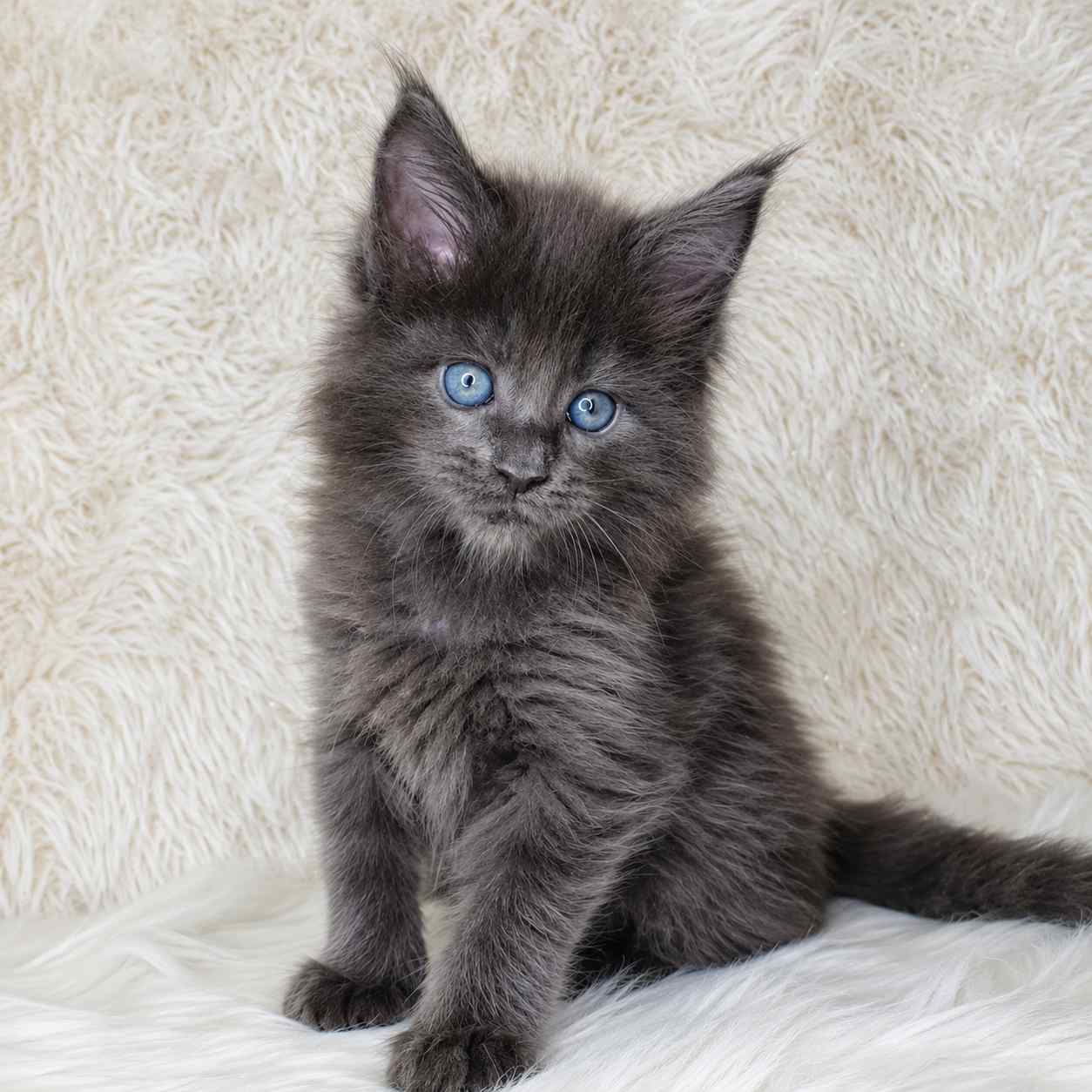
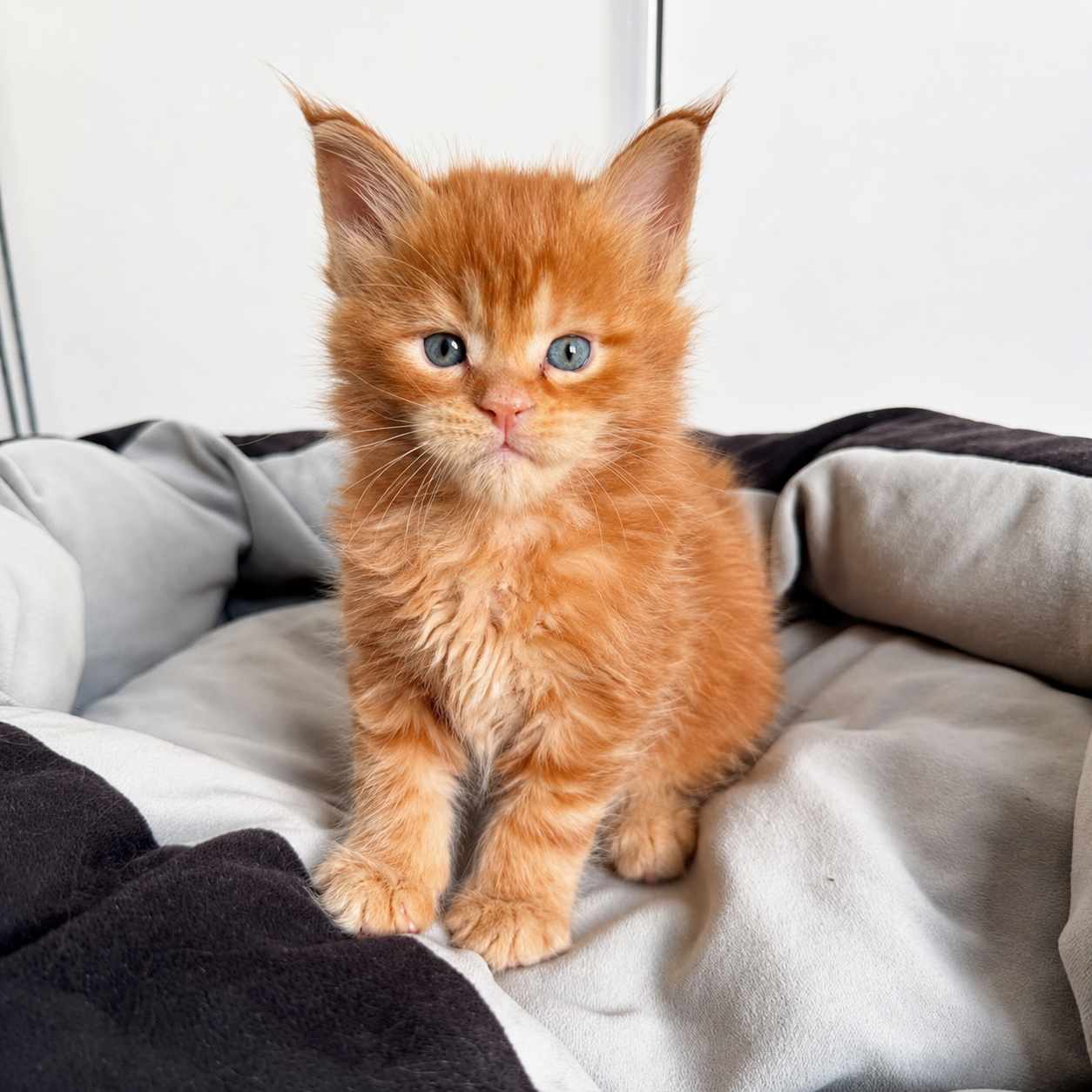
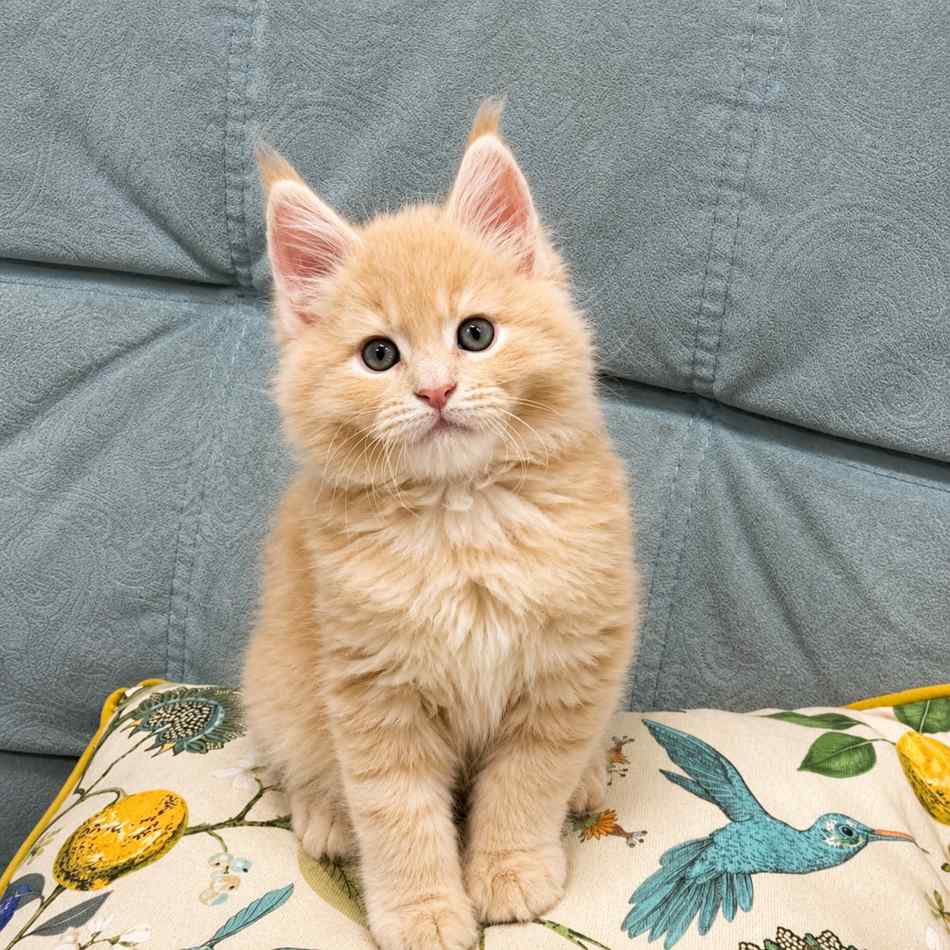
Maine Coon Cat Gallery
A closer look at Maine Coon cats and kittens, their tufted ears, bushy tails, and that unmistakable gentle-giant charm.
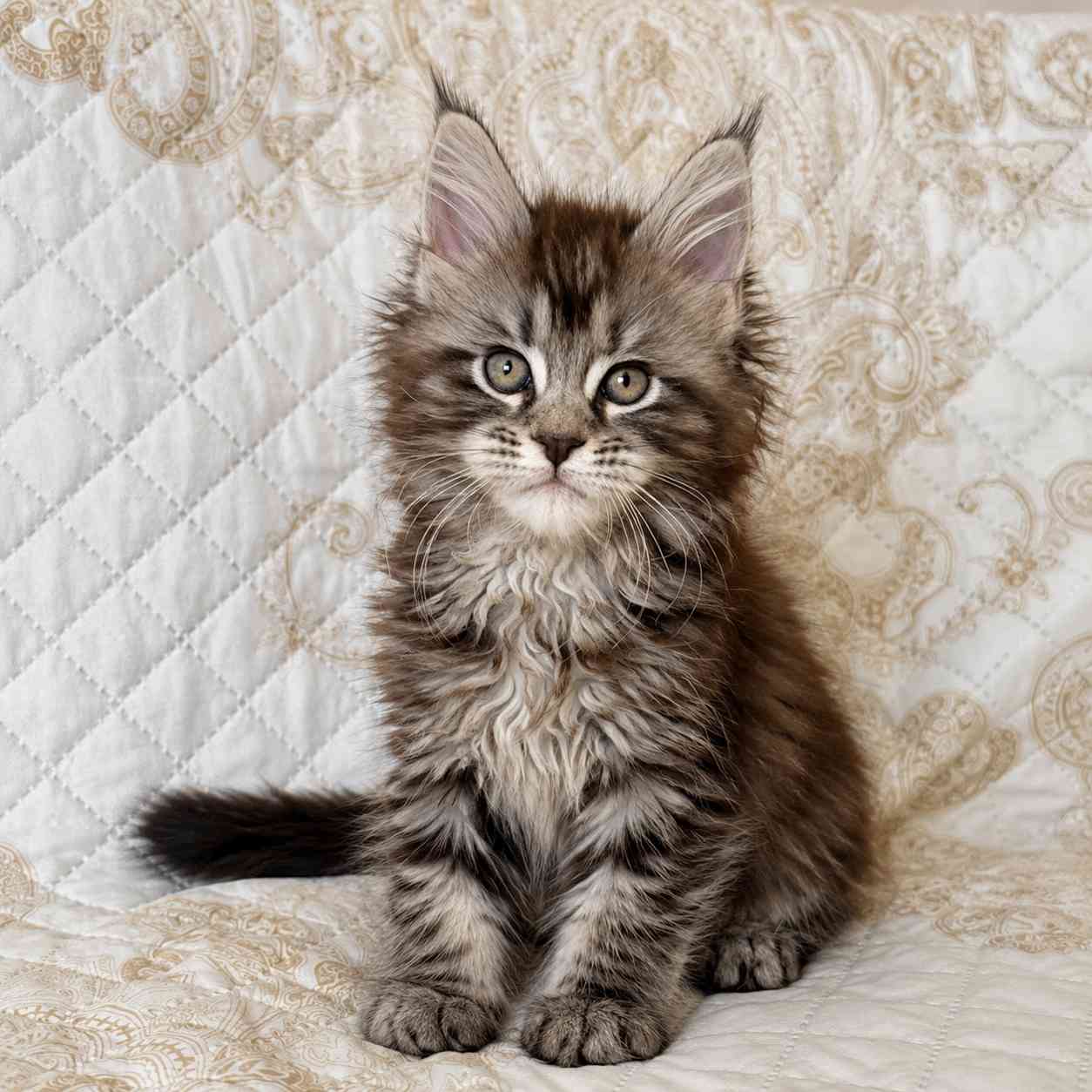
Why Is the Maine Coon Called the Gentle Giant of the Cat World?
The Maine Coon is one of the largest domestic cat breeds around, with males often crossing 15-18 pounds and a body length that can rival a small dog. But despite the size, what actually surprises most new owners is how mellow this cat is. It's not aggressive, not overly demanding, and gets along easily with kids, other pets, and even strangers walking into the house. That combination of size and calm nature is exactly why it's earned the nickname "gentle giant."
In India, the Maine Coon has moved from being a rare, almost exotic breed to something people are actively searching for and buying, especially in metro cities. Owners who want a cat that feels more like a substantial, present companion rather than a small lap pet tend to gravitate toward this breed. The shaggy coat, tufted ears, and bushy tail also give it a wild, almost bobcat-like look, which adds to the appeal for people who want a cat that stands out.
Where Did This Breed Actually Come From?
The Maine Coon gets its name from the American state of Maine, where it's believed to have developed naturally over generations, adapting to harsh New England winters. That's part of why the coat is so thick and water-resistant, and why the paws are unusually large, almost like built-in snowshoes. The exact origin story is still debated among cat historians, with old folklore even claiming the breed descended from raccoons, which obviously isn't biologically true, but it does explain part of where the "coon" in the name came from, tied to the bushy, ringed-looking tail.
Other Names You Might Come Across
Most people simply know this breed as the Maine Coon, but you'll occasionally find it referred to as the Maine Cat, Coon Cat, or American Longhair in older breeding records and regional listings. It's also sometimes called the American Coon Cat in early cat fancy documentation from the late 1800s, back when it was one of the first breeds shown competitively in the United States. Regardless of the name used, the core traits, the large frame, tufted paws, and dog-like loyalty, remain consistent across every reference.
What This Guide Covers
This page is built to answer the questions Indian buyers actually ask before getting a Maine Coon, its history and how it found its way into Indian homes, current price expectations, breed-specific health concerns to keep an eye on, grooming needs for that dense coat, and how to spot a genuine, healthy kitten from a poorly bred one. Whether you're just exploring the breed or ready to bring one home, everything you need is right here.
Where Did the Maine Coon Cat Really Come From?
Global Origin
Unlike breeds that were carefully engineered by breeders, the Maine Coon developed almost entirely on its own, out in the cold, rugged terrain of Maine, USA, sometime in the 1800s. Farmers and sailors in New England needed hardy barn cats that could survive brutal winters and still hunt rodents efficiently, and over generations, a naturally larger, thicker-coated cat emerged to fit exactly that role. There was no single breeder behind it, the Maine Coon is essentially a product of natural selection shaped by climate and working life on New England farms.
The breed's first big public moment came in 1895, when a brown tabby Maine Coon named Cosey won Best in Show at one of America's earliest organised cat shows, held at Madison Square Garden in New York. That win is often pointed to as proof of just how established and admired the breed already was in the northeastern United States by the late 1800s, decades before formal breed standards even existed.
Interestingly, the Maine Coon's story wasn't a straight line upward. In the early 1900s, imported breeds like the Persian and Siamese became fashionable, and interest in the native Maine Coon dropped sharply, so much that by the mid-1900s, some cat publications assumed the breed had quietly disappeared altogether. It took dedicated breed enthusiasts through the 1950s-70s to rebuild interest, and the breed was formally accepted for championship status by the Cat Fanciers' Association only in 1976, a fairly late recognition for a cat that had already been around in America for over a century.
Maine Coon Cat in India When Did It Arrive?
The Maine Coon's presence in India is fairly recent compared to breeds like the Persian. It started showing up in small numbers among serious cat enthusiasts and importers roughly a decade or so ago, largely because the breed's size, import cost, and specific care needs made it a niche choice at first. Early owners were mostly experienced pet keepers in metro cities who actively sought the breed out rather than stumbling onto it locally.
- For years, Maine Coons in India were almost exclusively available through direct imports or a handful of dedicated breeders, keeping numbers low and prices high.
- Rising interest in large, striking cat breeds, along with better breeding networks, has made Maine Coon kittens increasingly available in Delhi NCR, Mumbai, Bangalore, Pune, and Hyderabad over the last several years.
- Today, the Maine Coon has shifted from a rare import to a genuinely sought-after breed among Indian buyers who want something larger and more striking than the more common Persian or Doll-face varieties.
At Royal Kitten, we work directly with home breeders who raise Maine Coon kittens in proper family environments rather than commercial breeding setups, which matters a lot for a breed whose temperament depends heavily on early socialisation. The Royal Kitten team has been helping Indian families bring home healthy, well-socialised kittens since 2005, and that experience carries over directly into how we vet and support Maine Coon litters today.
What Does a Maine Coon Cat Actually Look Like?
From its rectangular, muscular frame to its tufted ears and bushy raccoon-like tail, the Maine Coon has a look that's hard to mistake for any other breed. Here's a full breakdown of body type, coat colours, size, eye colour, and the standout physical traits that make this breed instantly recognisable.
Appearance & Body Structure
Maine Coons have what's called a "rectangular" body type, long, muscular, and substantial from chest to hindquarters, unlike the compact, rounded build of breeds like the Persian. The head is medium-large with high cheekbones, the muzzle is squared off rather than flat, and the eyes are large, slightly oval, and set at a mild slant. Combined with a broad chest and a long, flowing tail, the overall silhouette is powerful and athletic rather than delicate.
Coat Types & Colours
The Maine Coon's coat is a shaggy, semi-long double coat, shorter around the shoulders and noticeably longer around the belly and britches, built to shed water and withstand cold weather. It comes in a wide colour range, though a few patterns like true pointed (colourpoint) coats aren't recognised in this breed. Here's the typical spread you'll come across:
The signature Maine Coon look, brown tabby, actually accounts for the majority of the breed's early population, and it's still the colour most people picture when they think "Maine Coon." That said, the breed standard accepts nearly every colour and pattern except pointed patterns, chocolate, and lilac, which are considered signs of crossbreeding with other pedigree breeds.
Size & Weight
Eye Colour
Maine Coon eyes are large, expressive, and typically shades of green, gold, or copper, regardless of coat colour. Blue eyes are uncommon and generally only show up in white Maine Coons, sometimes alongside odd-eyed colouring, where each eye is a different shade.
Distinctive Physical Features
Beyond size and coat, a handful of specific traits are what breeders and vets actually look for to confirm a cat matches the Maine Coon standard. Each of these developed for a practical, weather-related reason rather than just appearance.
Lynx-Tipped Ears
Tufts of fur growing past the ear tips, believed to help protect against cold and snow.
Tufted Paws
Thick fur between the toes, acting like natural snowshoes on icy ground.
Bushy Tail
Long and full enough to wrap around the body and face for warmth while sleeping.
Water-Resistant Coat
An oily, uneven double coat that sheds moisture, unusual for a cat breed.
Polydactyl Trait
Some Maine Coons are born with extra toes, a genetic quirk historically common in the breed's original population.
What Is a Maine Coon's Personality Actually Like?
Maine Coons are known for being sociable, playful, and surprisingly dog-like in how they interact with their families, which is exactly why the breed is often described as having a "big cat, bigger personality" reputation. Unlike more reserved breeds, a Maine Coon usually wants to be wherever you are, following you room to room, sitting nearby while you work, and staying genuinely interested in whatever's going on in the house. That combination of size and sociability is a huge part of the breed's appeal.
A Playful, People-Oriented Companion
Maine Coons stay playful well into adulthood, and many owners describe them as more active and engaged than the average cat. They enjoy interactive toys, puzzle feeders, and games of fetch, a behaviour this breed is oddly well known for compared to most cats. Because of this higher engagement level, Maine Coons generally need more daily interaction and mental stimulation than a purely lap-cat breed, though they're just as happy relaxing beside you once they've had their activity for the day.
How They Behave Around Children
Maine Coons are typically excellent with children, patient, tolerant, and rarely quick to scratch or bite even when handling gets a little clumsy. Their sturdy, muscular build also means they're generally more physically resilient during play than a smaller, more delicate breed. That said, their size can be intimidating for very young kids at first, and it helps to supervise early interactions until the child learns how to handle a cat this large comfortably.
Getting Along With Other Pets
This breed adjusts well to multi-pet households, including dogs, and Maine Coons often form genuine friendships rather than just tolerating other animals. Their calm, non-confrontational nature means introductions usually go smoothly when done gradually, with separate spaces initially and supervised meetings that build up over a week or two. Many owners with both cats and dogs specifically note that Maine Coons tend to become the household's social connector rather than staying isolated.
Why This Breed Suits Active, Social Owners
A Maine Coon fits best with owners who actually want an interactive, present cat rather than a purely independent one. They do well with people working from home, families with kids, or multi-pet households where there's regular activity and company. What they need in return is genuine engagement, playtime, some form of daily interaction, and grooming for that thick coat. Owners who are away for long stretches or want a low-involvement pet may find a Maine Coon more demanding of attention than expected.
The Chirping, Trilling Sound They're Known For
One trait that catches new owners off guard is the sound. Maine Coons rarely meow the way most cats do, instead they communicate through a distinctive chirping or trilling noise, almost bird-like, especially when greeting you or trying to get attention. It's such a consistent breed trait that many long-time Maine Coon owners say it's one of the first things they noticed was different compared to other cats they've owned.
Signs of a Well-Adjusted Maine Coon
A properly socialised Maine Coon is generally confident, curious, and comfortable around visitors, showing off that easy-going, almost dog-like friendliness the breed is famous for. It should be relaxed with handling, responsive to its name, and willing to approach new people or situations without excessive hiding or fear. If a Maine Coon seems unusually withdrawn, skittish, or reactive to normal household activity, it usually points to insufficient early socialisation rather than a natural trait of the breed, worth discussing directly with the breeder before bringing a kitten home.
What Health Problems Are Common in Maine Coon Cats?
Maine Coons are a naturally sturdy breed, but their large size and specific genetic background bring their own set of health considerations. Knowing what's breed-specific helps you ask the right questions before buying and stay ahead of issues as your cat grows.
Health Issues to Watch For
Hypertrophic Cardiomyopathy (HCM)
HCM is the most significant health concern linked to this breed, a genetic heart condition where the heart muscle thickens over time. It's serious enough that many reputable breeders screen parent cats with regular echocardiograms before breeding, and it's worth asking directly whether a kitten's parents have been screened.
Hip Dysplasia
Given their large, heavy frame, Maine Coons carry a higher-than-average risk of hip dysplasia, where the joint doesn't form correctly and can lead to stiffness or discomfort as the cat ages. Keeping a healthy weight helps reduce strain on the joints significantly.
Spinal Muscular Atrophy (SMA)
SMA is a breed-specific genetic condition affecting the nerves that control muscle movement in the hindquarters. It's not life-threatening, but affected cats develop a distinctive muscle wasting pattern. A simple DNA test can confirm whether a cat carries the gene, and responsible breeders test for it.
Polycystic Kidney Disease (PKD)
PKD is far less common in Maine Coons than in breeds like the Persian, but it can still occur occasionally due to historical crossbreeding. Routine blood work during annual check-ups is usually enough to catch early kidney changes if they arise.
Coat Matting & Skin Issues
The semi-long double coat, especially around the belly, britches, and behind the legs, mats easily without regular brushing. Trapped moisture under matted fur can lead to skin irritation or infection over time.
Heat Sensitivity
Maine Coons developed to handle cold New England winters, which means their thick coat can work against them in Indian summers. Owners in warmer cities need to pay closer attention to ventilation, shade, and cooling during peak heat months.
General Vaccination Guide
The exact schedule can shift slightly kitten to kitten, but most vets across India follow a broadly similar timeline for core vaccinations. Treat this as a general reference point rather than a fixed rulebook.
Routine Vet Care
Given the breed's known risk for HCM, an annual cardiac screening is genuinely worth discussing with your vet, even if your Maine Coon shows no symptoms, since early-stage heart changes often go unnoticed without testing. Regular joint and weight checks also matter more for this breed than most, simply because of how much larger and heavier a healthy adult Maine Coon can get.
How Do You Take Care of a Maine Coon Cat?
A Maine Coon's care needs are shaped mostly by its size and semi-long coat, both need consistent, slightly heavier-duty attention than an average shorthaired cat, but this breed is far less high-maintenance than its fluffy appearance suggests. Here's what a proper care routine looks like.
Coat Care
Despite the shaggy, voluminous look, a Maine Coon's coat is actually easier to maintain than a Persian's since it's less prone to matting overall. Brushing 2 to 3 times a week is usually enough, though the belly, armpits, and britches (the fluffy fur around the hind legs) need closer attention since that's where tangles form first. A stainless steel comb followed by a de-shedding tool works well, especially during seasonal shedding when the undercoat blows out in larger amounts.
Bathing
Thanks to their naturally water-resistant coat, Maine Coons don't need bathing as often as Persians, once every 6 to 8 weeks is generally sufficient. Interestingly, many Maine Coons tolerate, and some even enjoy, water more than most cat breeds, a trait believed to be linked to their working-cat ancestry near ships and farms.
Ear & Paw Care
Those signature ear tufts and tufted paws look great but can trap dirt and debris. Check ears weekly for wax buildup, and trim excess fur between the toe pads occasionally to prevent matting and keep the paws comfortable, especially important given how large a Maine Coon's paws actually are.
Diet & Nutrition
- Kitten stage (0–15 months): High-protein, large-breed kitten food, since Maine Coons grow far slower than most cats and benefit from staying on kitten formula longer than the usual 12-month cutoff.
- Adult (15+ months): A large-breed adult formula, twice a day, with portions scaled to their bigger frame and muscle mass rather than standard cat-food serving guides.
- Joint support: Given their size and hip dysplasia risk, a glucosamine-based joint supplement is worth discussing with your vet as the cat matures.
Litter Box Needs
A standard litter box is often too small for a fully grown Maine Coon. Go for an extra-large or jumbo litter box so the cat can comfortably turn and dig without stepping outside it, this alone solves a surprising number of litter-avoidance issues owners run into with this breed.
Exercise Needs
Maine Coons need noticeably more activity than a typical lap-cat breed. Daily interactive play, fetch, wand toys, or puzzle feeders, along with access to a sturdy cat tree for climbing, helps burn off their natural energy and keeps that muscular frame in good shape. A bored, under-stimulated Maine Coon is more likely to become destructive or overweight, so this isn't a breed you can leave entirely to its own devices.
Bringing a Maine Coon kitten home soon? Follow our detailed post-delivery care guide to get the first few weeks right.
Read the Kitten Care Guide →How Much Does It Actually Cost to Own a Maine Coon?
The kitten's purchase price is really just the entry cost. What decides the real, long-term cost of owning a Maine Coon is everything that follows over its 12 to 15 year lifespan, food, grooming, vet care, and daily supplies, and this breed's larger size means several of these costs run noticeably higher than they would for a smaller cat. Planning for this upfront saves you from being blindsided a few months into ownership. For a detailed breakdown of current kitten prices, see our Maine Coon cat price and monthly cost guide.
What Ongoing Ownership Actually Includes
- Food: Because Maine Coons are one of the largest domestic breeds, they simply eat more than an average cat, and a large-breed, high-protein diet costs more per month than standard cat food. This adds up meaningfully over a lifetime compared to smaller breeds.
- Grooming: Home brushing a few times a week covers most of it, but many owners still budget for occasional professional grooming, particularly during heavy seasonal shedding when the undercoat comes out in large amounts.
- Vet care & vaccination: Beyond annual vaccinations and deworming, it's worth budgeting for periodic cardiac screening given the breed's known risk for Hypertrophic Cardiomyopathy (HCM), this is a cost Persian owners typically don't need to plan for.
- Litter & daily supplies: Expect to spend more here too, a jumbo litter box, sturdy cat trees for climbing, and larger scratching posts all cost more than the standard-sized versions most cat owners buy.
- Emergency fund: Keeping a reserve for unplanned vet visits matters for any breed, but it's especially worth it here given the potential for joint or cardiac issues as the cat ages.
None of these numbers are fixed, they shift depending on your city, the quality of food and care you choose, and the individual cat's health. The key takeaway is that a Maine Coon's larger size translates directly into a larger monthly budget, not just a bigger cat to love.
Are These Common Maine Coon Beliefs Actually True?
The Maine Coon comes with more folklore attached to it than most breeds, some of it charming, some just confused. Here's what's actually accurate, and where these ideas came from in the first place.
Maine Coon vs Norwegian Forest Cat: What's the Difference?
These two are mixed up constantly, both are large, long-coated, cold-climate breeds with tufted ears and a wild, forest-cat look. But they come from entirely different parts of the world and have some real differences once you know what to look for.
| Feature | Maine Coon | Norwegian Forest Cat |
|---|---|---|
| Origin | Naturally developed in Maine, USA, adapting to harsh New England winters | Naturally developed in Norway, adapting to Scandinavian forests and cold climates |
| Body Type | Rectangular, long, and heavily muscled, generally the larger and heavier of the two breeds | Sturdy and athletic, but leaner and less bulky, built more for climbing and agility |
| Coat | Shaggy, semi-long, silkier texture, shorter on the shoulders and longer around the belly and britches | Thick, water-resistant double coat with a coarser texture, and a notably fuller neck ruff |
| Face Shape | Squared muzzle with high cheekbones and a gently sloped profile | More triangular head shape with a straighter profile, closer to a wild cat's silhouette |
| Temperament | Highly sociable, dog-like, actively seeks out human company and interaction | Independent and self-reliant, affectionate but generally less clingy than a Maine Coon |
| Price in India | Varies by lineage, colour, and breeder, see our Maine Coon cat price guide for current ranges | Typically priced higher than a Maine Coon in India, largely due to far lower availability and fewer breeders |
Is the Maine Coon an Officially Recognised Cat Breed?
Yes, the Maine Coon is a formally recognised breed worldwide, with defined physical standards maintained by major cat registries. Organisations like the Cat Fanciers' Association (CFA), The International Cat Association (TICA), FIFe, and the GCCF each publish their own breed standard covering body type, coat structure, and acceptable colours. These standards are broadly similar but do differ slightly in emphasis, which is why judges at different shows sometimes weigh traits like ear tufting or overall size a little differently.
Can You Register a Maine Coon Cat in India?
Yes, Maine Coon owners in India can pursue formal registration if they'd like documented proof of pedigree or want to participate in cat shows. A number of India-based cat fancier clubs, several affiliated with international registries, accept registration submissions that typically include lineage details, colour and coat information, and supporting photographs. Given how sought-after this breed still is in India, formal registration can also add credibility if you ever plan to breed responsibly down the line.
What We Provide With Every Kitten
Every Maine Coon kitten from us comes with complete health documentation, vet check-up records, vaccination status, and deworming history, so you know exactly where things stand health-wise before the kitten comes home. This is particularly useful for this breed given the cardiac and joint-related conditions worth monitoring, and it also gives you a solid starting point if you decide to pursue formal registration later.
Want to know exactly how we verify a kitten's health before it's cleared for delivery? See our 3-step kitten verification process.
How Does a Maine Coon Kitten Grow Week by Week?
A Maine Coon's growth timeline looks fairly ordinary at first, but it stretches out far longer than most breeds once you get past the first year. Knowing this timeline helps set the right expectations, both for when to bring a kitten home and for how long it'll actually take to see a "full-grown" Maine Coon.
Ideal age to bring home a kitten:
Generally 8–12 weeks is recommended, but keep in mind you're bringing home a kitten that won't reach its true full size for another few years.
How Should You Care for a Maine Coon Through Indian Seasons?
A Maine Coon's coat was built for New England winters, not Indian summers, which makes seasonal adjustments genuinely important for this breed rather than just a nice-to-have. Here's how to adjust care through the year.
- This is the toughest season for the breed by far, a Maine Coon's dense double coat evolved for cold climates, so heat tolerance is genuinely lower than most Indian street cats or shorthaired breeds.
- Keep the cat in a cool, well-ventilated room with a fan or AC, and avoid peak afternoon heat entirely if possible.
- Never shave a Maine Coon's coat to "help with the heat", the undercoat actually regulates temperature and insulates against heat too, and shaving can disrupt regrowth and remove that natural protection.
- Watch closely for heatstroke signs, heavy panting, drooling, or lethargy, and get to a vet immediately if these show up, since this breed is more vulnerable to overheating than most.
- The semi-long coat takes longer to dry than a shorthaired cat's, so towel-dry thoroughly after any dampness to avoid fungal or skin infections setting in near the skin.
- Humidity accelerates bacterial growth in litter, clean the box more frequently than you would in drier months.
- Keep an eye on the paw tufts specifically, trapped moisture between the toes is a common spot for irritation during this season.
- Winter is genuinely when a Maine Coon feels most at home, this is the climate the breed was built for, and most cats visibly become more active and playful during cooler months.
- Even in India's relatively mild winters, owners often notice their Maine Coon seeking out warm spots more, near heaters or sunny windows, simply out of instinct rather than actual need.
- This is also peak shedding season as the coat thickens further, so brushing frequency should go up rather than down.
Should You Adopt or Buy a Maine Coon?
Both paths can work out well, the right one depends on what matters more to you, predictable lineage and traits, or giving an animal in need a second chance.
Buying a Home-Bred Kitten
- A kitten like ours, raised in a real family home rather than a commercial cattery, grows up around people and everyday routines, which matters even more for this breed given how much a Maine Coon's sociability depends on early handling.
- Comes with full health documentation, vet check-ups, vaccination records, and deworming, plus visibility into whether the parents have been screened for HCM, something worth confirming directly with any breeder.
- The better route if you want a specific colour, pattern, or lineage, since purebred Maine Coons with documented parentage are still fairly limited in India compared to more common breeds.
- Home-raised kittens are typically already comfortable with handling and basic socialisation, which sets a stronger foundation for the confident, people-friendly adult this breed is known for.
Adoption
- Genuine purebred Maine Coons rarely show up in Indian shelters, given how sought-after and relatively low in supply this breed still is, though Maine Coon mixes do occasionally turn up.
- Generally far more affordable than buying a documented purebred kitten.
- Gives an animal that needs a home a second chance, often an adult cat with an already-settled temperament.
- Exact lineage, breed purity, and health history are usually impossible to confirm with a shelter cat, so go in without expecting documented pedigree.
Not sure where to start? Our complete guide to buying a kitten in India walks you through the entire process step by step.
Famous Maine Coons & Cultural Significance
Few breeds have built as strong an identity as the Maine Coon, part working farm cat, part gentle giant, and part record-breaker. Its story is woven into American folk history in a way most cat breeds simply don't have.
Stewie and the World's Longest Cat
The most famous Maine Coon in recent memory is Stewie, who held the Guinness World Record for the longest domestic cat ever measured, stretching over 48 inches from nose to tail. Stewie's fame did more than earn a title, it gave the wider public a real sense of just how large this breed can get, and the record still gets cited whenever people discuss the biggest cat breeds in the world.
Maine's Official State Cat
In a rare honour for any cat breed, the Maine Coon was officially named the state cat of Maine in 1985, a nod to how deeply tied the breed is to the region's identity and farming history. Few U.S. states have an official state cat at all, which makes this recognition a genuinely unique piece of the breed's cultural standing.
In Cartoons and Pop Culture
Large, fluffy, tufted-eared cats modeled on the Maine Coon show up regularly in illustrations, animated shows, and internet culture, almost always cast as the wise, oversized, gentle presence in the room. That recurring image lines up closely with the breed's real-life reputation, which has only helped its popularity grow well beyond the United States, including in India.
Maine Coon Variants & Types
Unlike the Persian, the Maine Coon doesn't have official face-type categories, but there are still a few distinct variations within the breed worth knowing about, beyond the colours already covered in our Physical Characteristics section above.
Polydactyl Maine Coon
Already touched on earlier, but worth expanding here, polydactyl Maine Coons carry a genetic trait that gives them extra toes, sometimes referred to informally as "mitten cats." This trait was historically far more common in the breed's original Maine population than it is today, since modern show standards favour the typical toe count, making a polydactyl Maine Coon a genuine, recognised variation rather than the norm.
Silver Maine Coon
A visually striking coat variant where the undercoat is pale to white and only the tips of the outer hair carry colour, creating a shimmering, frosted look. It's one of the more sought-after colour variants in India specifically, since the effect looks especially dramatic against the breed's already large, shaggy coat.
Genetics & Breeding Considerations
Maine Coon coat genetics follow the same general dominant-recessive inheritance patterns seen across most cat breeds, though the sheer range of accepted colours and patterns means outcomes in a single litter can vary quite a bit, as covered earlier in this guide.
On the health side, HCM (Hypertrophic Cardiomyopathy), already discussed in our Health & Common Health Issues section, has a known genetic marker in this breed, and DNA testing for it is available and worth asking breeders about directly. SMA (Spinal Muscular Atrophy) is similarly testable through a simple DNA panel. Avoiding inbreeding matters here as much as in any breed, tight breeding within family lines tends to concentrate these inherited risks rather than dilute them. Responsible breeding programs also tend to avoid selecting purely for extreme size, since prioritising size alone over structure and health can increase strain on joints and the heart over the cat's lifetime.
Conclusion
The Maine Coon has earned its reputation as one of the most striking and genuinely affectionate cat breeds you can bring into an Indian home, its imposing size paired with a temperament that's closer to a loyal dog than a typical aloof cat. Whether you're drawn in by the sheer scale of the breed or its famously social nature, it's worth understanding the size-related costs, health screening needs, and the multi-year growth timeline before committing. If you're ready to move forward, choosing a kitten raised in a real home, properly health-screened for HCM and SMA, and genuinely socialised from an early age makes all the difference in how well it settles into your family.
Explore Other Popular Cat Breeds
Looking for a cat breed other than Maine Coon? Explore our detailed breed guides to compare different cats, their characteristics, care requirements, and prices.
Maine Coon Cats for Sale Near You
Looking for a Maine Coon kitten in your city? Check out our location-specific pages for availability, pricing, and home-delivery options across India.
Frequently Asked Questions
The most common questions people search before buying or learning about a Maine Coon cat, answered directly.